Trader Joe's cites OSHA forklift guidance for operator training and inspections
Trader Joe's is directing store crews to follow OSHA forklift guidance to tighten operator training, daily inspections, and maintenance - a move that affects safety and scheduling for workers.

Trader Joe's is pointing store workers to federal forklift guidance as part of an effort to reinforce operator training and pre-shift inspections. The company referenced OSHA materials, including the agency QuickCard identified as QUICK CARD TM OSHA 3949-04R 2019 and the federal regulation 29 CFR 1910.178, titled "Powered Industrial Trucks," to clarify requirements for certified operators and safe vehicle operation.
OSHA guidance stresses the hazards crews face around powered industrial trucks. As the QuickCard warns, "Forklift operators and employees working around these operations are at risk of hazards such as collisions, falls, tip-overs, and struck-by conditions." To prevent those outcomes, the agency lists specific practices: operate vehicles according to the manufacturer's instructions, always wear a seatbelt when the forklift has one, never exceed the rated load and ensure it is stable and balanced, do not raise or lower the load while traveling, keep a safe distance from platform and ramp edges, and maintain clear visibility and adequate clearance when raising and loading.
The company also emphasized the training mandate that underpins those practices. The QuickCard language is blunt: "Only trained and certified workers may operate a forklift." That reflects the legal framework in 29 CFR 1910.178 and matches common industry guidance that employers must ensure operators are trained on the types of trucks in use. Industry-facing training resources note that retraining is required "after incidents, observed unsafe behavior, changes in workplace conditions, or assignment to a new type of forklift."
Daily inspections and maintenance are a central part of the update for Trader Joe's crews. Training materials cited by the company remind workers that "Operators must inspect forklifts before use each day. Issues must be reported and addressed immediately," and that any lift found to be in an unsafe operating condition should be removed from service. OSHA guidance adds maintenance expectations: keep forklifts clean and free of excess oil and grease and repair according to the manufacturer's recommendations. Practical prohibitions listed in the guidance include using horns at cross aisles, watching for pedestrians, observing speed limits, not giving rides or using forks to lift people, and avoiding stunt driving or refueling while the engine is running.
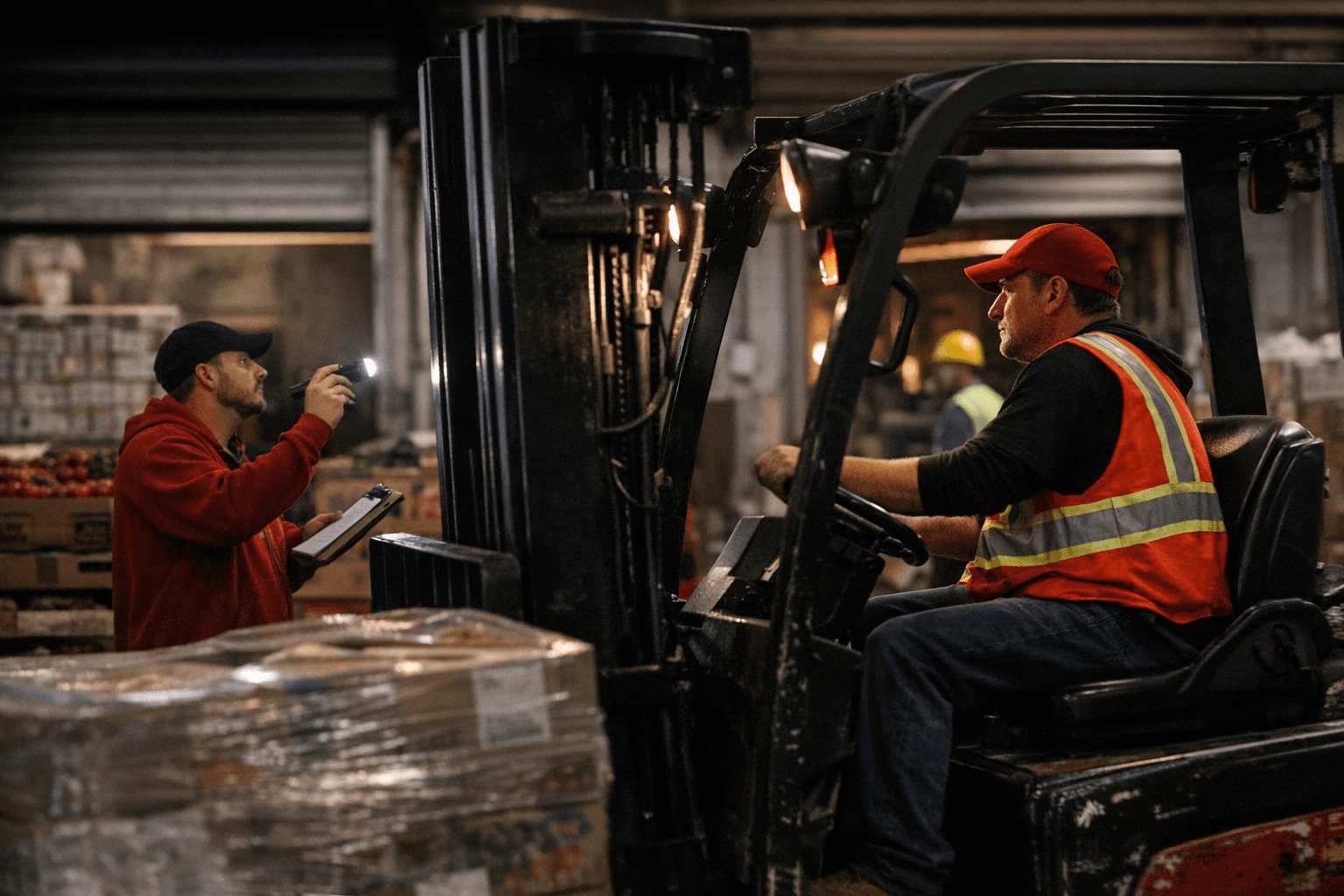
The move affects scheduling and workplace dynamics at store level. Stores may need to allocate time for certification or refresher classes, document daily inspections on log forms, and ensure supervisors monitor behavior that could trigger retraining. Employers who allow untrained operators run the risk of enforcement and liability: training materials warn that "Employers may face fines, legal action, and elevated accident risks" for failing to comply.
For crew members who operate or work alongside forklifts, the company’s reliance on OSHA materials means clearer, standardized expectations but also more visible oversight. Trader Joe's workers with questions about federal requirements can consult the OSHA QuickCard reference or contact OSHA by phone at (800) 321-OSHA (6742).
The company’s citation of federal guidance signals a prioritization of backroom safety that will play out in training calendars, pre-shift routines, and equipment checks. For employees, that translates to stricter enforcement of seatbelt use, load limits, daily inspections, and retraining triggers meant to reduce the accidents—an issue industry materials say contributes to more than 90,000 workplace accidents each year and to a disproportionate share of serious injuries in warehouses and factories.
Know something we missed? Have a correction or additional information?
Submit a Tip