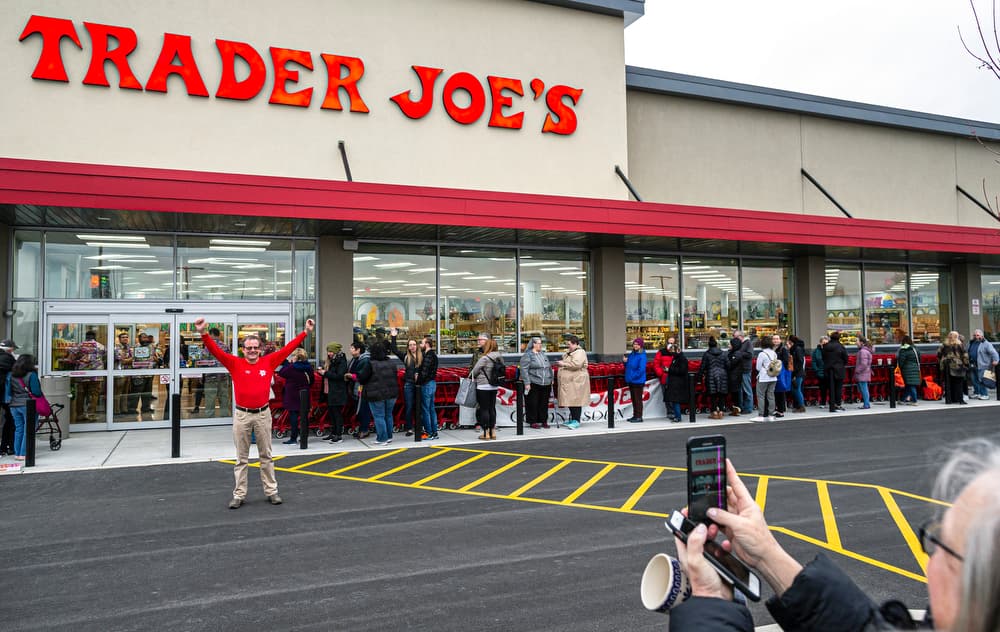
Trader Joe’s staff praise culture but flag sick-leave and stress concerns
Breakroom's worker-driven scorecard shows high crew satisfaction and flexible scheduling, but sick time drawn from PTO and stress reports could hurt retention and health.
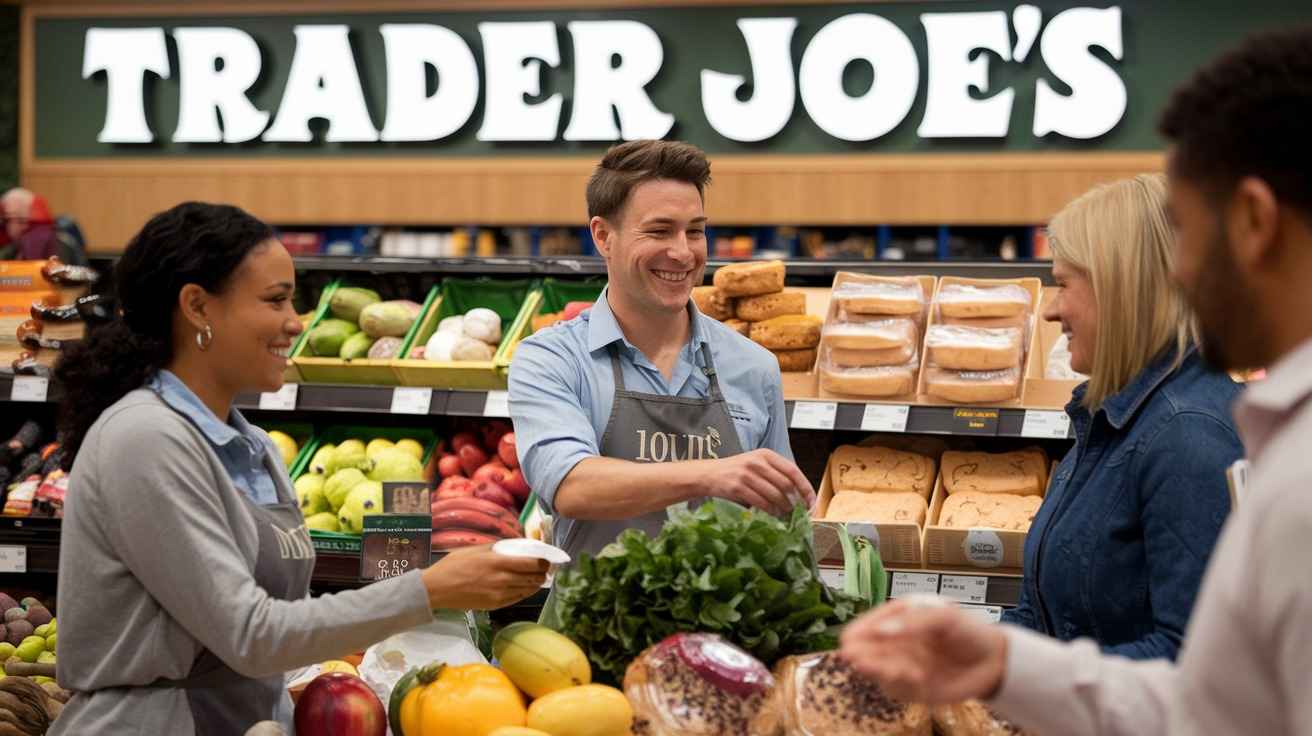
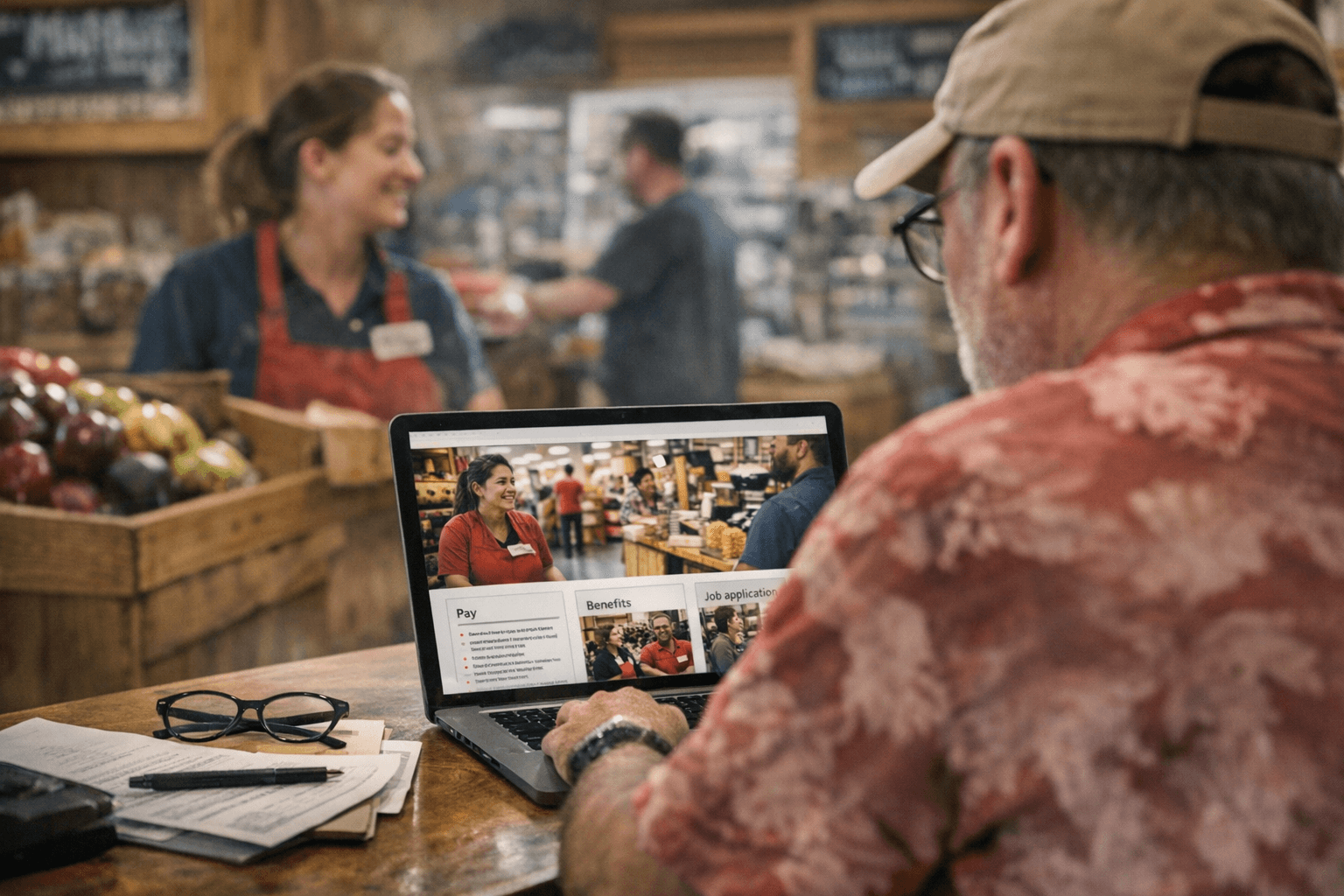
Breakroom's employer profile for Trader Joe's aggregates hundreds of crew-submitted survey responses collected between July 2025 and January 2026 and paints a mixed picture for the grocery chain's frontline workforce. The page highlights strong overall workplace satisfaction and positive team sentiment, alongside practical strengths such as broad access to health insurance for many part-time employees, widely available paid time off, and generally flexible scheduling that makes shift changes and time-off requests easier for crew.
Those positive signals matter for recruitment and retention. High team sentiment and managers who earn respect from staff help reduce turnover and keep stores running smoothly during peak seasons. Flexible scheduling and health benefits for part-timers also ease staffing headaches for store leaders and give prospective applicants clear reasons to consider joining a crew.
But the profile also identifies areas that need attention. The benefits structure is marked "Needs improving," with a notable pattern of sick time being drawn from general paid time off. That arrangement can create tough choices for workers who must decide between preserving PTO for vacations or using it when ill, an incentive structure that can lead to presenteeism and, in a retail setting, higher risk of contagious illnesses spreading among crew and customers. A minority of respondents also reported work-related stress, an indicator that store-level workloads, staffing gaps, or tempo during rushes may be straining some employees.
Because Breakroom is worker-driven, the profile captures frontline perspectives on scheduling, paid time off, training, and day-to-day working conditions—data points that are useful not just for prospective applicants but for HR teams, store leadership, and workplace researchers. The aggregated responses offer a real-time temperature check on how crew members experience policies in practice, not only on paper. For store managers, the signals point to opportunities: retaining the elements that boost morale, such as flexible shift swaps and accessible benefits, while rethinking how sick leave and workload are managed.
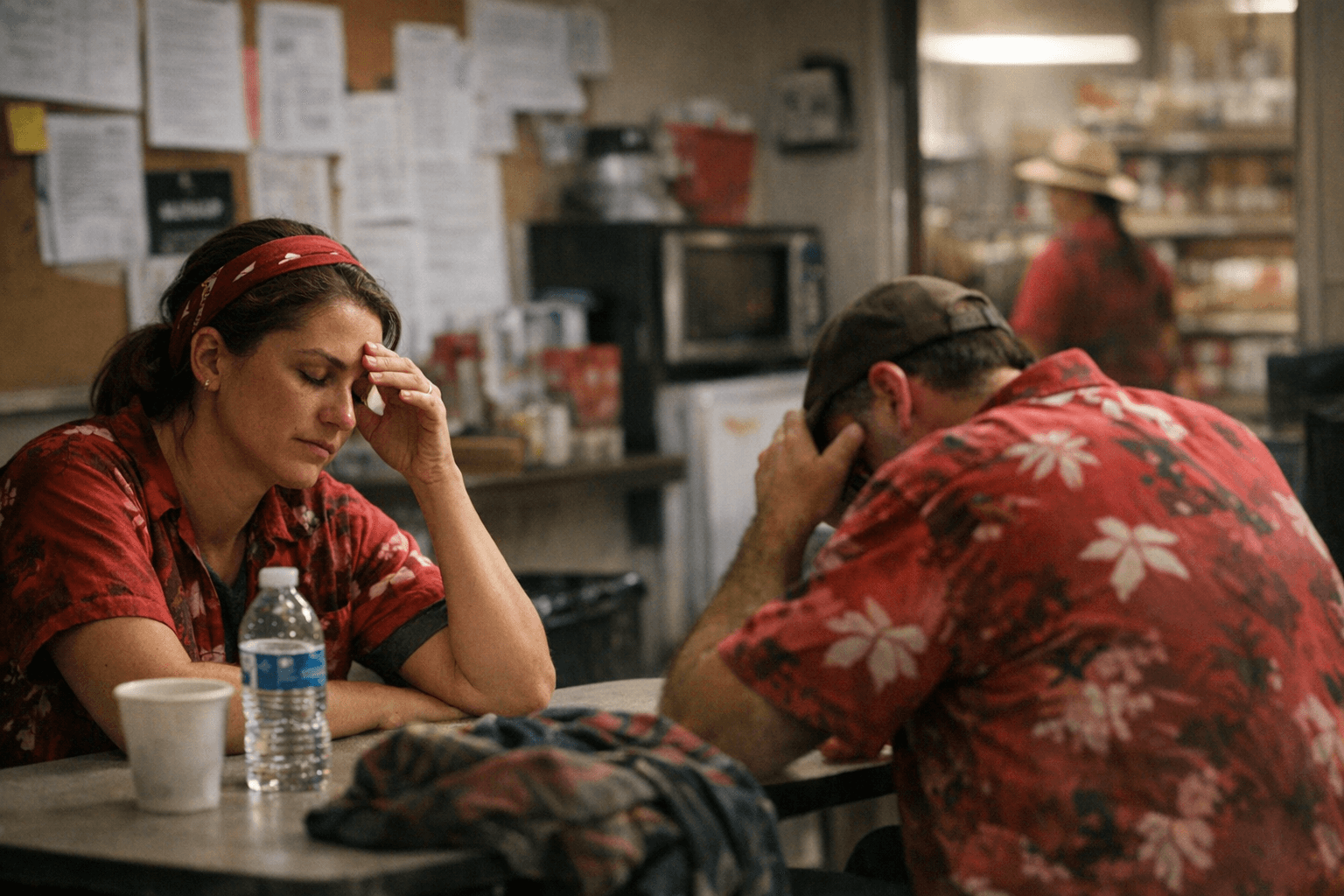
Practical changes could include separating sick leave from general PTO, monitoring staffing patterns that generate stress, and using crew feedback to target training and scheduling improvements. Those steps would protect both worker wellbeing and store operations.
The takeaway? Trader Joe's appears to be doing a lot right on culture and benefits access, but the way sick time is structured and the presence of stress for some crew are avoidable problems. Fixing those issues would keep stores healthier, crews happier, and the checkout line moving—so store leaders and HR should treat this worker-driven scorecard as the kind of feedback you actually act on. Our two cents? Listen to the crew, untie sick leave from vacation time, and keep the flexible scheduling that most people say works.
Sources:
Know something we missed? Have a correction or additional information?
Submit a Tip