Trader Joe’s to update ethnic-sounding private-label names and packaging
Trader Joe's is updating private-label names and packaging after criticism that some names exoticize or stereotype cultures. The changes will affect SKUs, merchandising, inventory and store crew work.
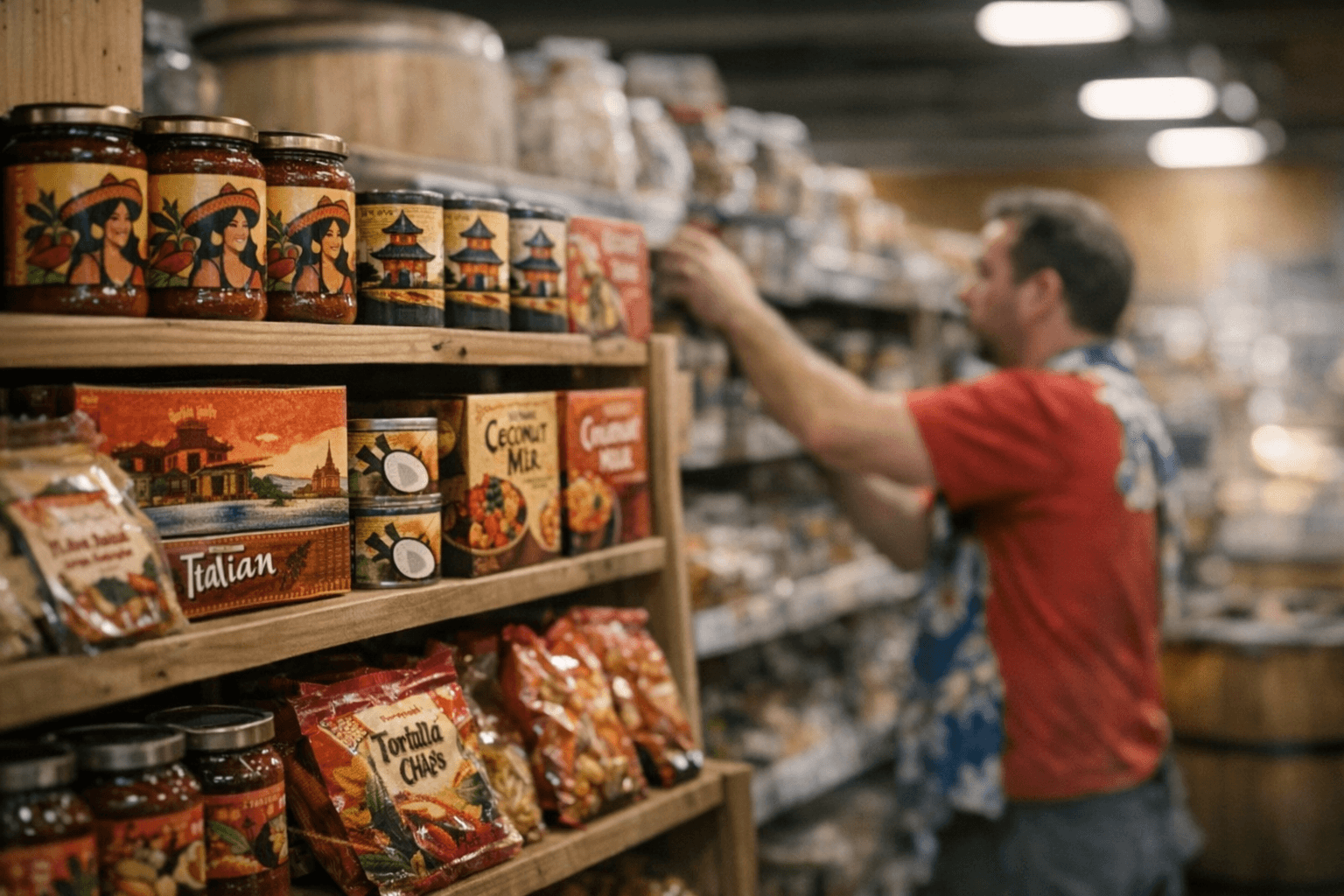
Trader Joe's is updating product packaging and private-label names that have drawn criticism for sounding ethnic and potentially exoticizing cultures, the company said as it begins a packaging refresh. The move touches a range of legacy private-label nicknames that critics have flagged in the past, including variants like “Trader Ming’s” and “Trader José’s,” and adds a new operational task for store teams.
The change is companywide in scope because relabeling and renaming private-brand items requires coordination across merchandising, procurement, distribution and store operations. Retail work crews are likely to see changes to shelf tags, price files, SKU descriptions and backroom inventory handling as new cartons and packaging roll into distribution centers and stores. Point-of-sale descriptions must be updated so scanning and pricing remain accurate, and stores will need processes to replace or dispose of existing labeled stock without disrupting availability.
Trader Joe's acknowledges the historical origins of some names and says packaging updates are underway. The initiative follows earlier public debate and pushback in prior years over private-label names that some customers and employees said could lean on cultural tropes. For crew members, the update is not only a matter of swapping boxes; it also creates a customer-facing communications moment. Crew on the sales floor and at registers may field questions from shoppers about product identity and continuity, and store leadership will need to brief teams on new names and any transitional pricing or substitution guidance.
Operational impacts will cascade from headquarters to the stores. Merchandising teams must finalize new artwork and copy, procurement must coordinate with suppliers to change label runs, and distribution centers must track incoming frequencies so stores receive accurate assortments. Stores will handle returns or markdowns for old-pack items, adjust planograms if product dimensions change, and ensure training materials reflect the updated nomenclature. Those logistics can increase workload for crew leads and shift managers during the rollout window.
Beyond the nuts and bolts, the change underscores a broader point about community relations and workplace culture: private-label naming conventions can affect customer perception and crew morale. For employees with responsibility for local outreach and customer interactions, the labeling updates may ease tension in some communities while prompting debate among longtime shoppers who associate old names with brand identity.
For crew members and store leaders, the near-term priorities are clear: expect SKU and label changes in shipments, verify price files and POS entries, and be prepared to explain name updates to customers. The company’s packaging refresh will be the practical test of whether headquarters' changes can be executed smoothly at the store level without disrupting service or inventory accuracy.
Sources:
Know something we missed? Have a correction or additional information?
Submit a Tip