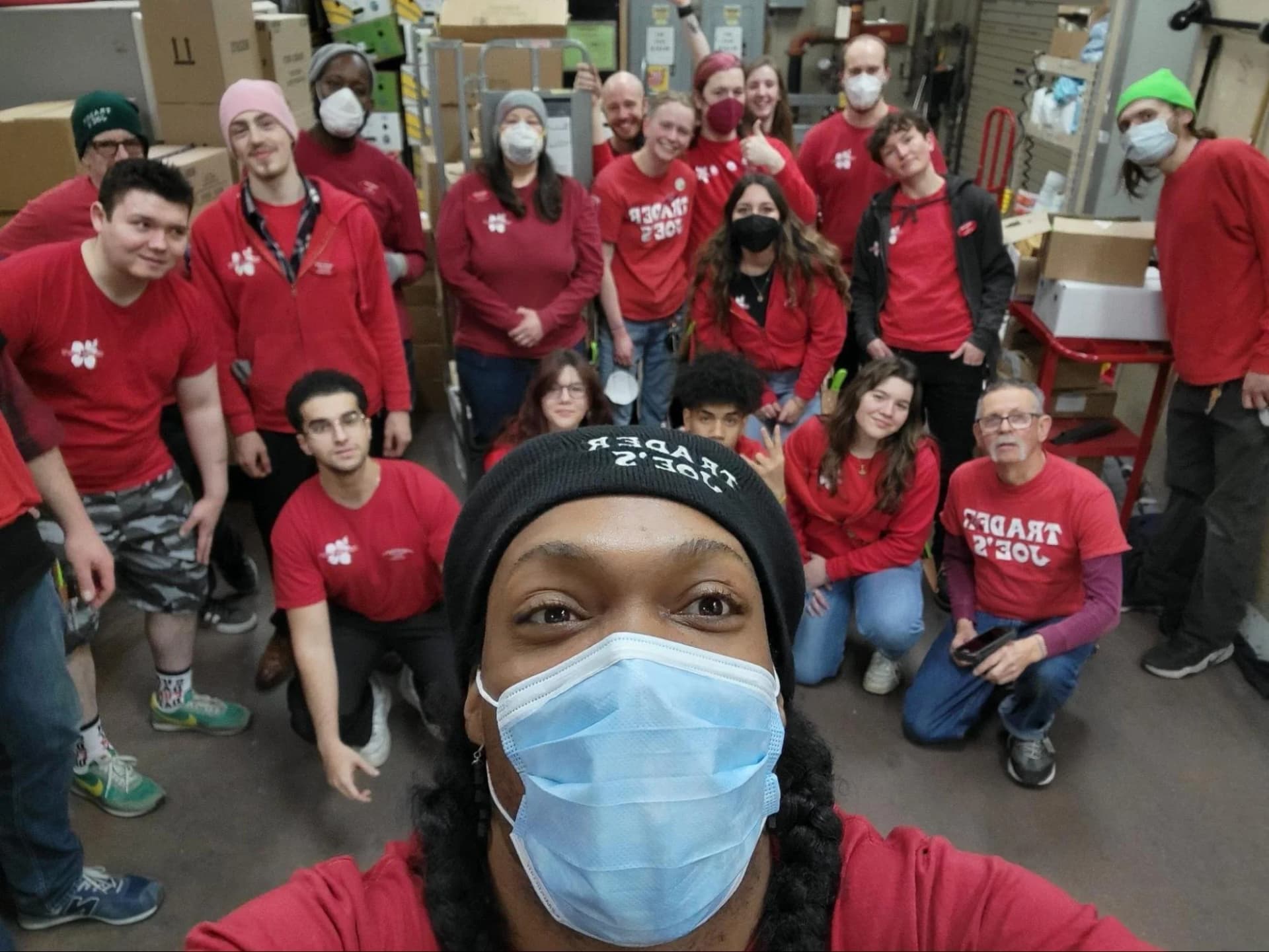
Trader Joe's United Joins Jan. 23 Statewide Labor and Immigrant Rights Day
Trader Joe's United joined a Jan. 23 statewide labor and immigrant-rights day calling for solidarity actions and demands for worker safety and immigrant protections.
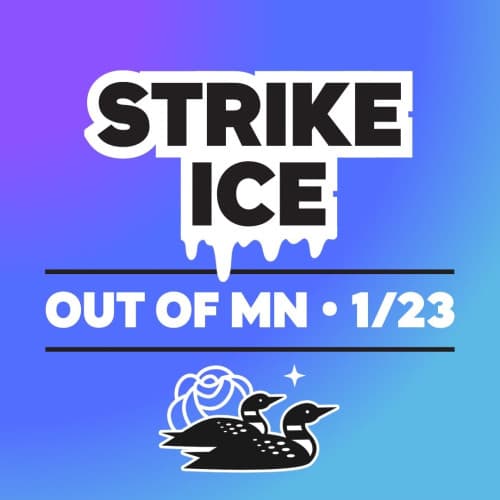
Trader Joe's United is listed among labor federations and allied groups endorsing a statewide labor and immigrant-rights Day of Action set for Jan. 23, signaling coordinated pressure on employers and public officials over safety and immigrant protections. The announcement, distributed in mid-January, frames the day as a broad show of solidarity that could include calls for no work, school, or shopping in some places.
Press materials dated Jan. 16 named Minneapolis-area labor federations and dozens of allied organizations as endorsers, and a calendar of endorsements specifically identifies Trader Joe's United as a participating labor organization in the coalition. Organizers are centering worker safety and immigrant-rights demands as the core issues for the action, positioning the day as a statewide solidarity effort rather than a single-company campaign.
For Trader Joe's workers and crew, the endorsement places the union in the public lineup of groups backing coordinated action that could affect store operations, staffing, and customer traffic on Jan. 23. Calls for partial work stoppages or consumer boycotts in certain areas raise the possibility of local disruptions, scheduling adjustments, or intensified conversations on safety protocols and the treatment of immigrant employees. Even when actions fall short of formal strikes, coordinated days of action can sharpen bargaining leverage by drawing public attention and mobilizing allied organizations.
The coalition-style approach reflects a trend in labor strategy that pairs traditional workplace issues with broader social demands. By linking workplace safety to immigrant-rights protections, organizers aim to build a wider base of support that reaches beyond union rank-and-file to community groups, faith organizations, and student activists. That alignment can amplify pressure on employers to address health and safety policies, enforcement practices, and protections for immigrant workers who may face heightened vulnerability.
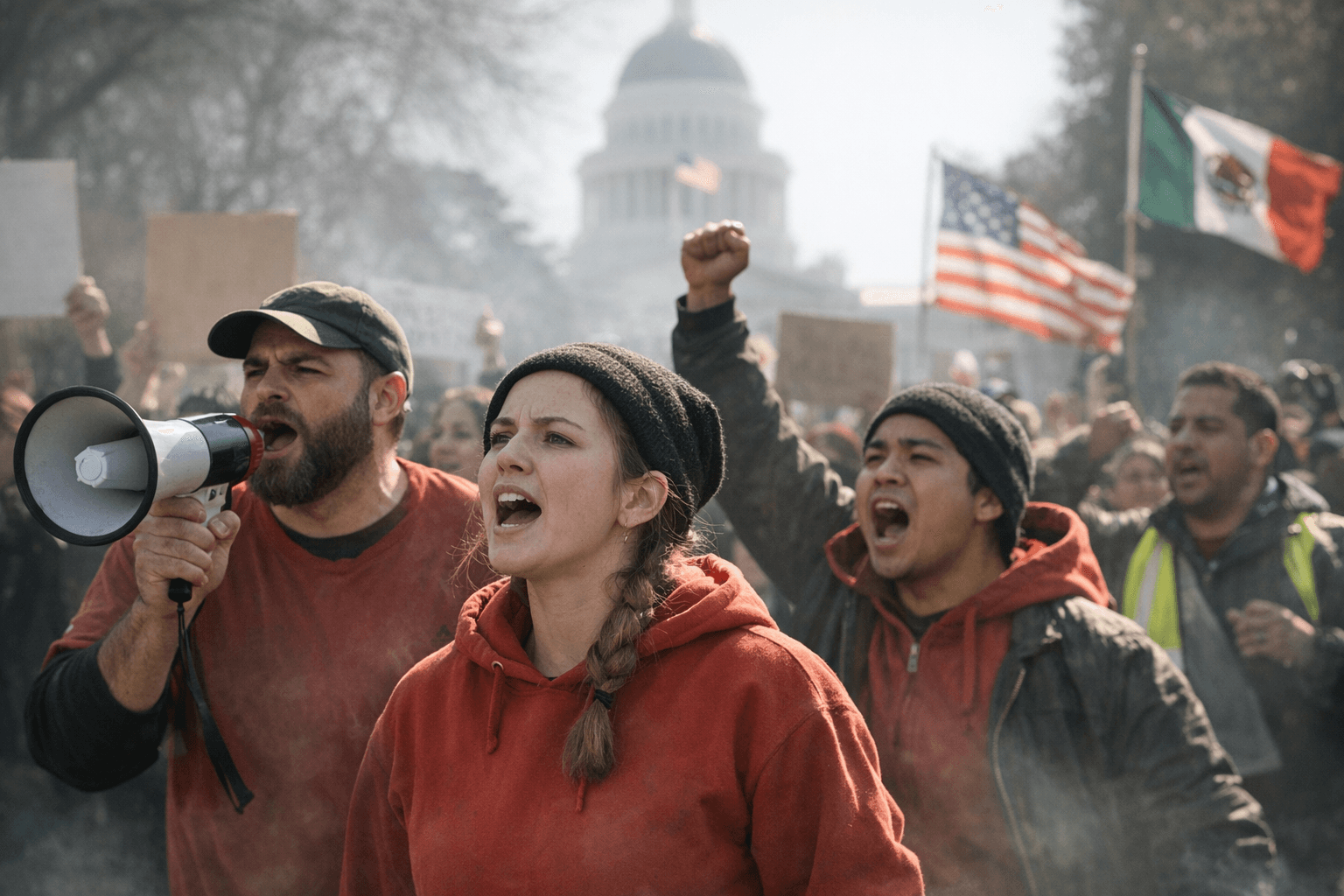
Management at individual stores will have to balance operational needs with legal and public-relations risks if workers participate in actions. For unionized locations or stores with active organizing, the Jan. 23 day could become a focal point for future negotiations or escalations. For nonparticipating employees and customers, the most immediate effects are likely to be staffing shortages, adjusted hours, and local rallies or informational pickets.
What comes next will depend on turnout and employer responses. If the Jan. 23 action generates visible disruptions or media attention, organizers may leverage that momentum into targeted bargaining demands or follow-up days of action. For Trader Joe's crew and managers, the day will be a test of solidarity, safety priorities, and how workplace grievances intersect with broader immigrant-rights advocacy.
Sources:
Know something we missed? Have a correction or additional information?
Submit a Tip