Trader Joe's Workers Educated on Weingarten Rights for Investigatory Interviews
Trader Joe's workers received training on Weingarten rights, which let crew members request union representation during investigatory interviews and protect them from retaliation.
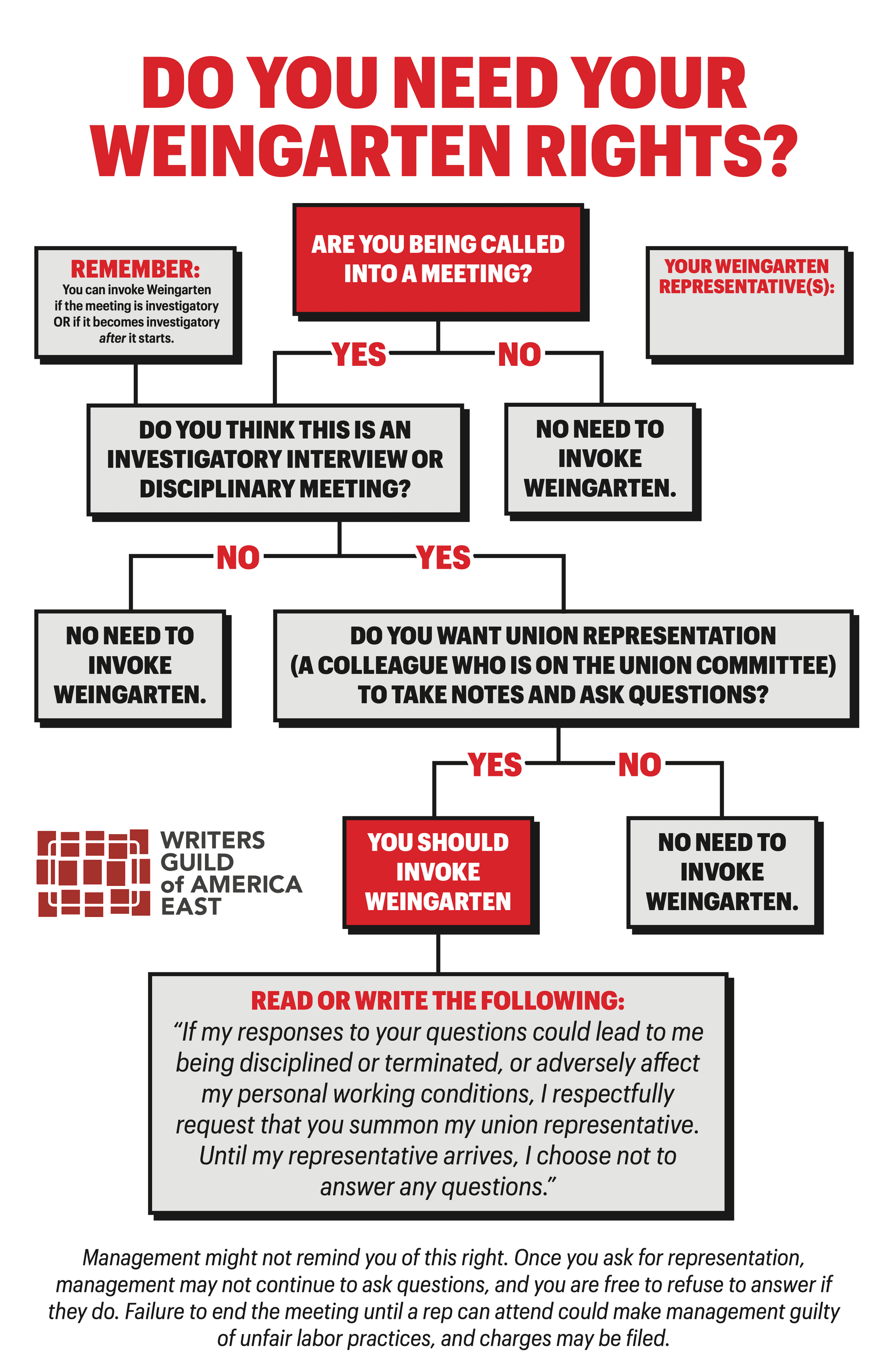
Trader Joe's crew members were recently educated on Weingarten rights, a legal protection that lets employees request union representation during investigatory interviews that could lead to discipline. The sessions stressed when the right applies, how to invoke it, and what managers can and cannot do once a request is made.
Weingarten rights trace to the U.S. Supreme Court decision NLRB v. J. Weingarten, Inc., 420 U.S. 251 (1975). As explained in training materials, "Weingarten rights allow employees to have union representation at investigatory interviews." An investigatory interview is any meeting where a supervisor questions an employee to obtain information that could be used as a basis for discipline or asks the employee to defend his or her conduct. Training emphasized the trigger: if an employee has a reasonable belief that discipline or discharge may result from what he or she says, the employee has the right to request union representation.
Workers were taught that the right must be invoked by the employee. Management is not required to inform staff that the right exists; "it is the employees' responsibility to know and request." The training reinforced TWU Local 234 guidance that "the employee must make a clear request for Union representation before or during the interview. The employee can't be punished for making this request."
Once an employee requests representation, employers have limited options. Municipal guidance cited in the sessions lists three choices: stop questioning until the representative arrives, call off the interview, or tell the employee the interview will be called off unless the employee voluntarily gives up his or her rights to a union representative. Trainers also underscored protections: an employee cannot be punished for asserting the right, and refusal to proceed without a requested representative may itself be protected conduct.
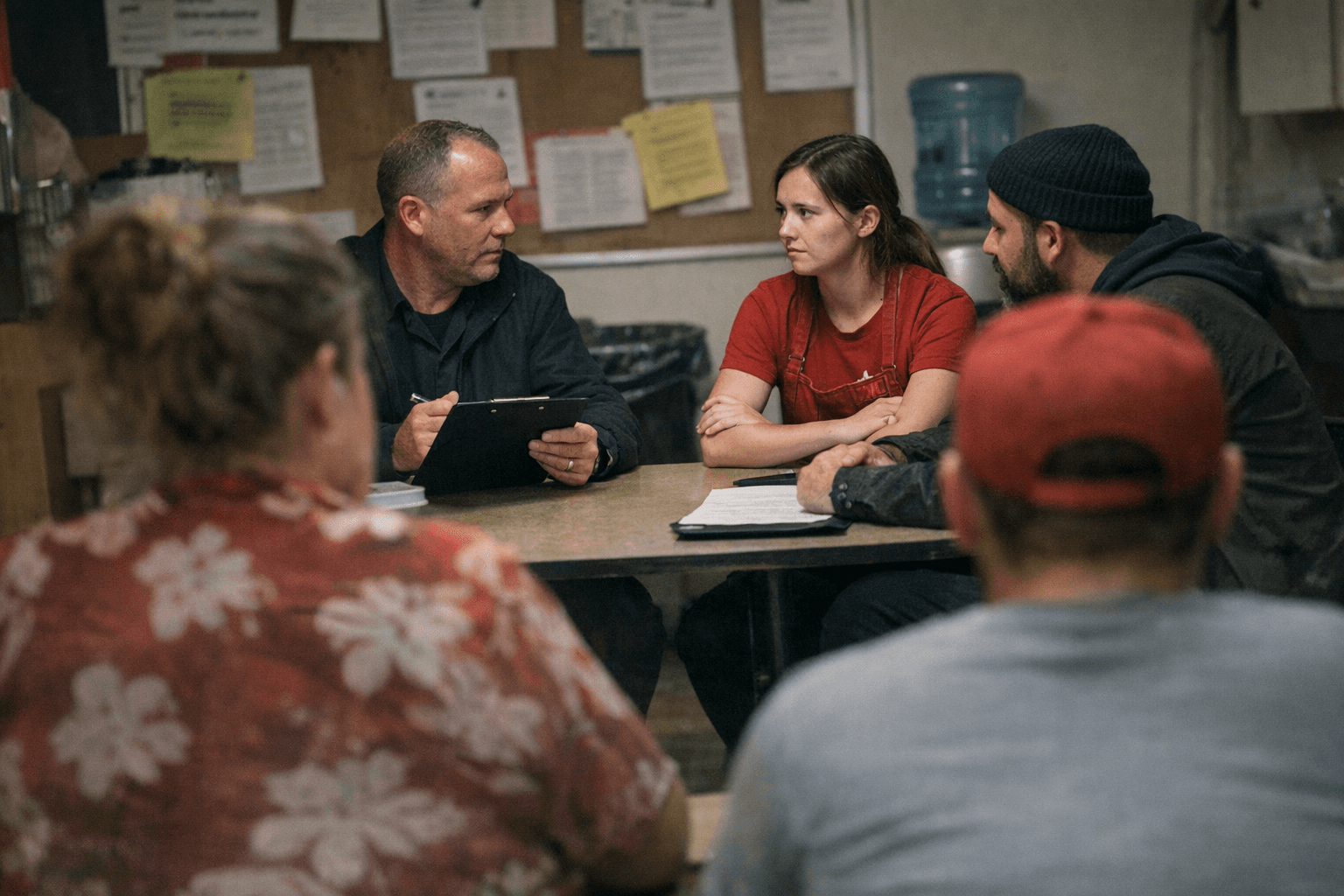
The role and limits of a Weingarten representative were covered in detail. Management must inform the representative of the subject of the interview, and "the representative is allowed to speak privately with the employee before the interview." During questioning the representative can request clarification, object to confusing or intimidating questions, and advise the employee on how to answer, but "the representative may not interfere with or impede the interview." Representatives may add information at the end of the session to support the employee's case.
Sessions noted institutional variations. Some employers or campuses set specific timelines for rescheduling; one employer guidance recommends arranging a mutually acceptable time within 1-2 days. Trainers also flagged a broader policy debate: under current NLRB law, only union-represented employees have Weingarten rights, though the NLRB General Counsel has asked the Board to return to a rule extending similar protections to all employees.
For Trader Joe's crew members, the briefings were both practical and strategic. Unions have an obligation to educate members "BEFORE an occasion to use them arises," trainers said, and workers were encouraged to document requests, ask for short delays if a representative is unavailable, and involve their shop steward when appropriate. The immediate effect should be clearer, more confident interactions during investigatory meetings; the longer term may hinge on whether NLRB policy changes expand these protections beyond unionized workplaces.
Know something we missed? Have a correction or additional information?
Submit a Tip