Trainers' Conditioning, Veterinary Checks and Travel Prep for Stakes Races
Trainers use staged conditioning, strict veterinary checks and detailed travel prep to have thoroughbreds ready for stakes races, a practical playbook for owners and stable staff.
Trainers preparing thoroughbreds for stakes races organize a conditioning cycle, tighten veterinary checks and finalize travel preparations so owners and stable staff can move horses fit and cleared for race day. This practical framework targets peak fitness while managing risk, and is aimed at owners, stable staff and industry professionals who must coordinate every step.
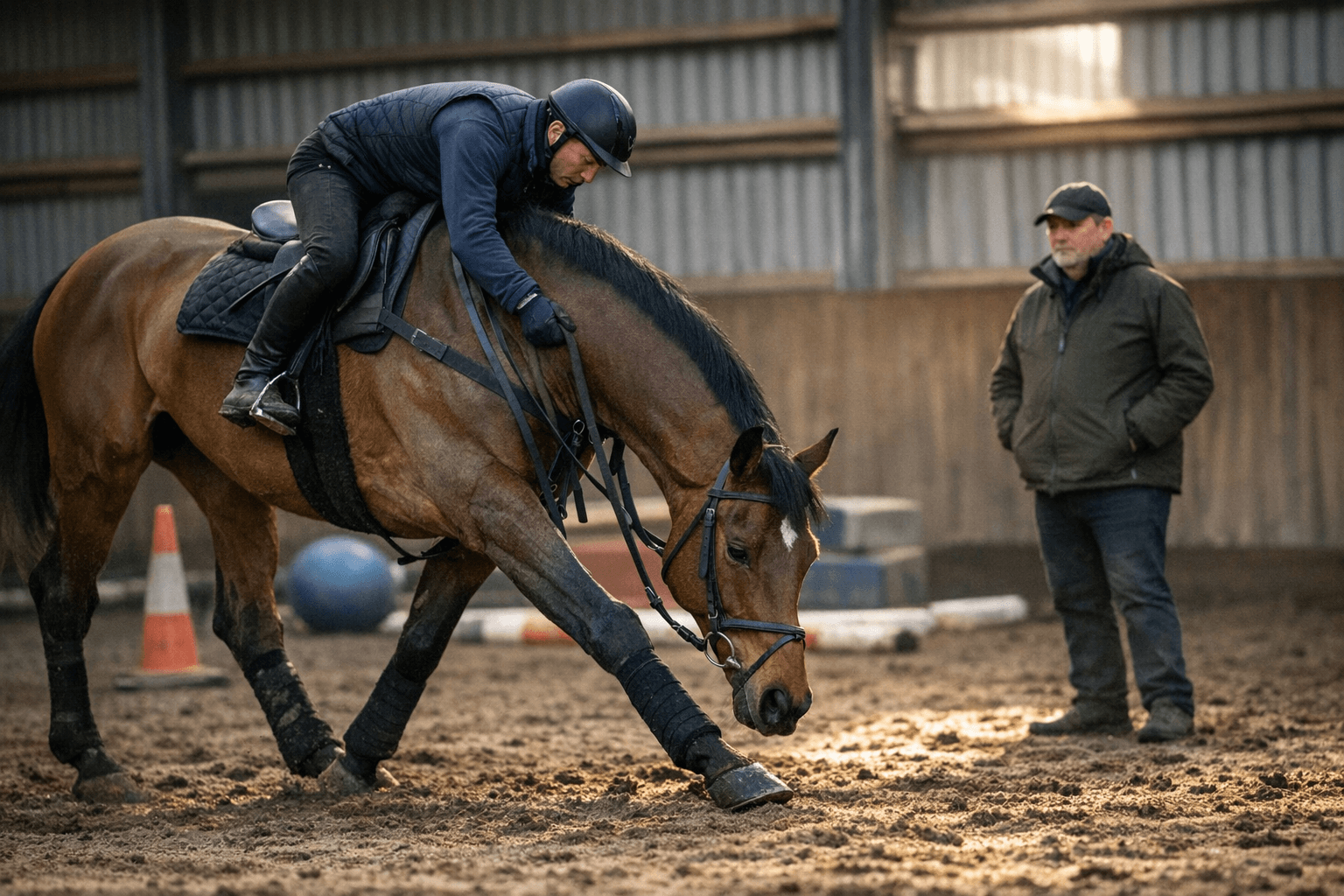
Conditioning cycle and fitness building begins with a progressive plan that moves a horse from aerobic base work into timed fast works and maintenance jogs. Trainers structure sessions to develop stamina and speed in advance of stakes entries, adjusting intensity as veterinary assessments indicate. Thoroughbreds targeted for stakes races remain on a measured rhythm of long, slower gallops for cardiovascular conditioning followed by shorter, sharper breezes as race day approaches, with trainers documenting work times and recovery to inform the next phase.
Veterinary checks are integral at each stage. Pre-entry examinations, routine bloodwork, and physical assessments determine when a horse advances through the conditioning cycle and whether it is safe to travel. Veterinarians clear horses for transport and competition, and stable staff coordinate vaccine records and health certificates so there are no administrative delays when horses are shipped to stake cards. These checks reduce last-minute scratches and protect investment for owners by confirming musculoskeletal soundness and metabolic readiness.
Travel preparation translates conditioning and vet clearance into logistics. Stabling arrangements at the receiving track, load-and-unload protocols with experienced transporters, and timing the move to minimize stress are standard elements referenced by trainers preparing for stakes races. Owners and stable staff typically confirm stall assignments and feeding plans in advance, while transport crews factor in rest stops to preserve the fitness work done during the conditioning cycle.
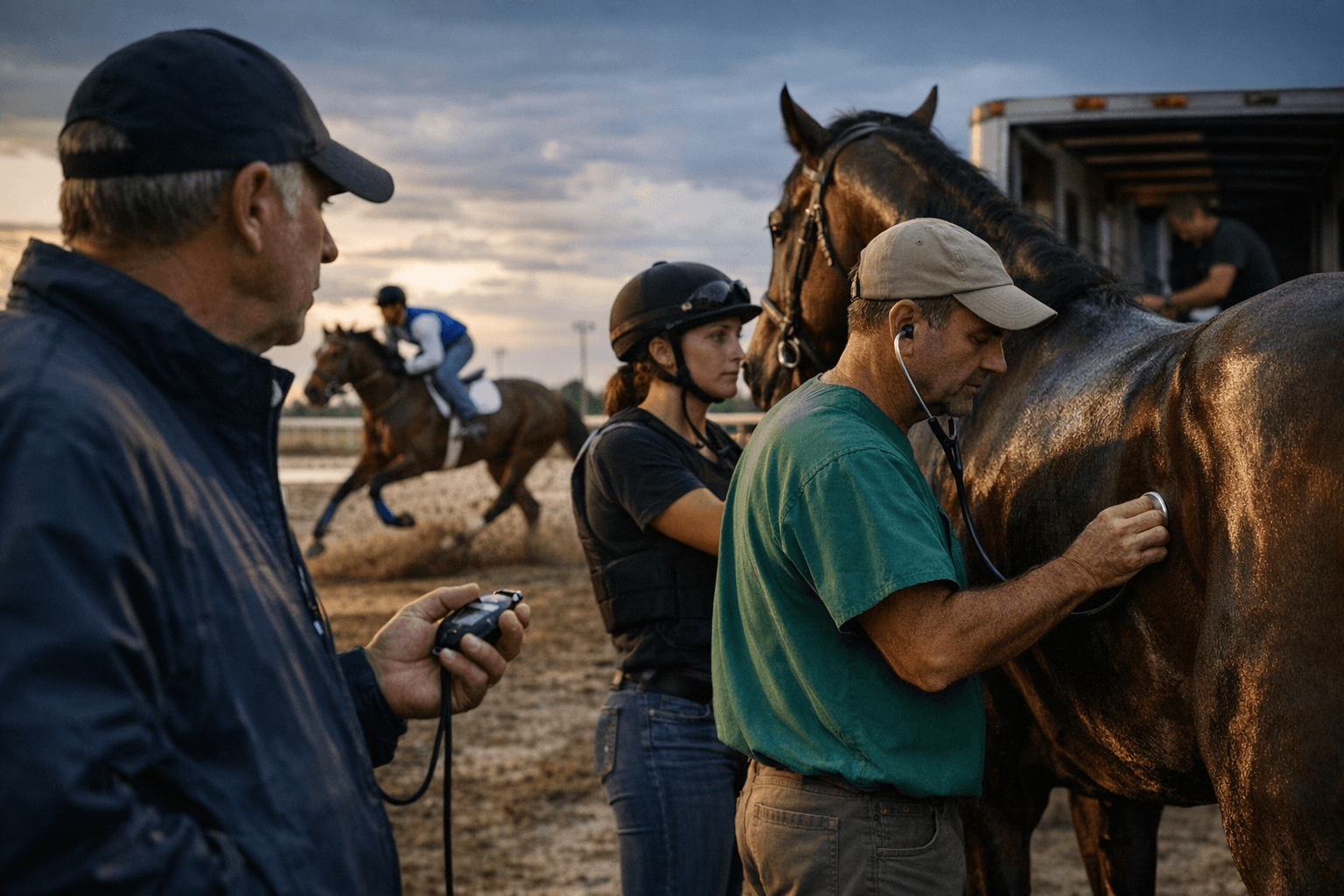
Race-day routines close the loop between conditioning, veterinary oversight and travel prep. Morning gallops or jogs verify fitness after transport, tack and shoe checks ensure equipment aligns with recent breeze work, and final veterinary inspections address any limp, swelling or respiratory concern that would prompt a scratch. For owners and industry professionals, following this sequence - conditioning cycle, veterinary checks, travel preparations, race-day routines - is a repeatable method to present thoroughbreds to stakes competition ready to perform.
With today’s date noted as February 16, 2026 and the event date unknown, trainers and connections are reminded that this is an evergreen, practical playbook: consistent conditioning, disciplined veterinary protocols and meticulous travel planning are the operational backbone that turns training schedules into stakes starts.
Know something we missed? Have a correction or additional information?
Submit a Tip