Transatlantic scars linger after Trump’s Greenland overtures in Munich
U.S. lawmakers in Munich say Trump’s Greenland overture still strains trust, even as they voice hope for a calmer, more predictable approach to foreign policy.
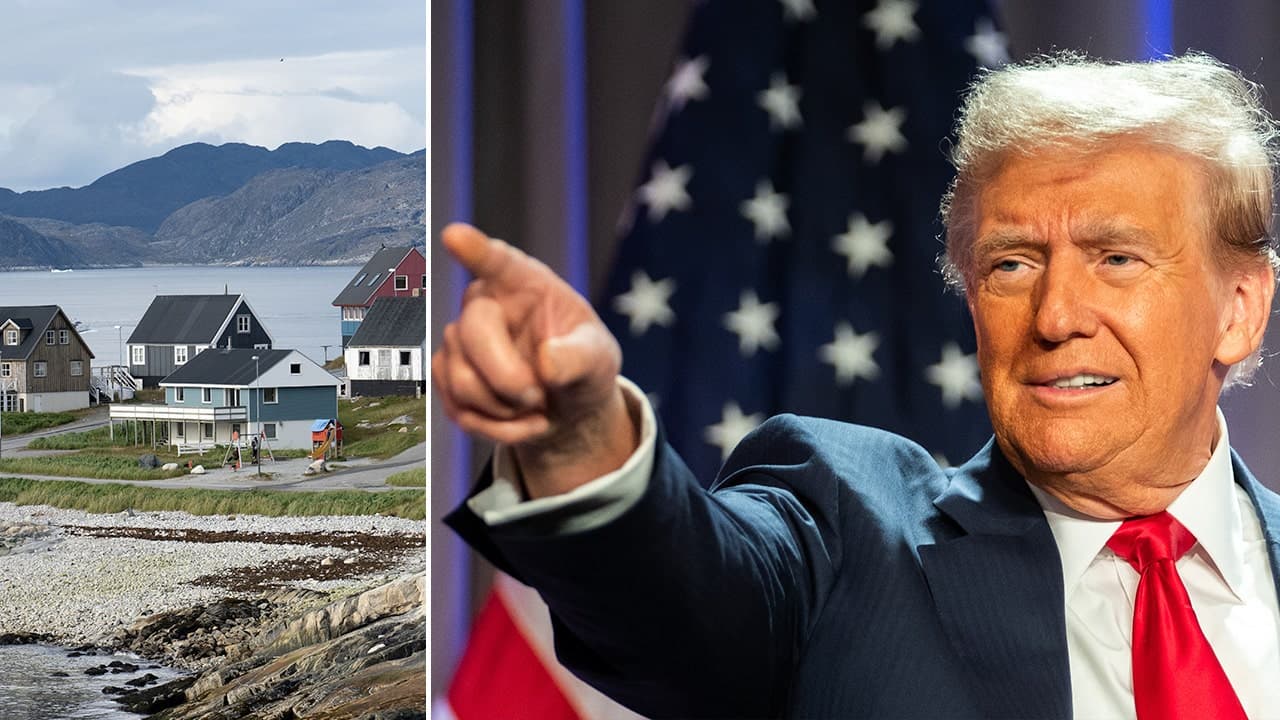
In Munich, a contingent of U.S. lawmakers acknowledged that the memory of former President Donald Trump’s proposal to buy Greenland has left a lasting impression on transatlantic trust, even as they voiced cautious optimism for a less belligerent tenor in future U.S. diplomacy. The comments underscored how a single episode of public brinkmanship can continue to shape perceptions of American reliability years later.
The lawmakers, gathered in the German city for meetings with European counterparts and policy forums, said the Greenland episode remains a symbol of unpredictability for allies. The 2019 episode, when the idea of purchasing Greenland surfaced publicly and was swiftly rejected by Copenhagen and Greenland’s government, still informs conversations about U.S. intentions in the Arctic and about the stability of alliances. For many in Europe and Greenland, the notion of territorial bargaining was jarring and difficult to forget.
Greenland, an autonomous territory within the Kingdom of Denmark, has strategic value that extends well beyond symbolic politics. Its vast land mass, proximity to North America, established defense installations and emerging economic interest in rare minerals and shipping routes have made the Arctic a focus of great-power competition. Lawmakers in Munich highlighted that the combination of climate-driven accessibility and increased interest from external actors, including state-backed investors, means that credible, steady diplomacy matters more than ever.
Beyond strategic specifics, the discussion in Munich touched on questions of sovereignty and respect for local agency. Greenlanders have advanced self-rule since 1979 and have been active in shaping their own development path. Lawmakers stressed that any approach to the island must recognize the primacy of Greenlandic voices and legal frameworks governing self-determination and territorial integrity. Attempts to reframe icebound territories as negotiable assets complicate cooperative frameworks governing the Arctic and risk alienating the very partners needed for sustainable governance.
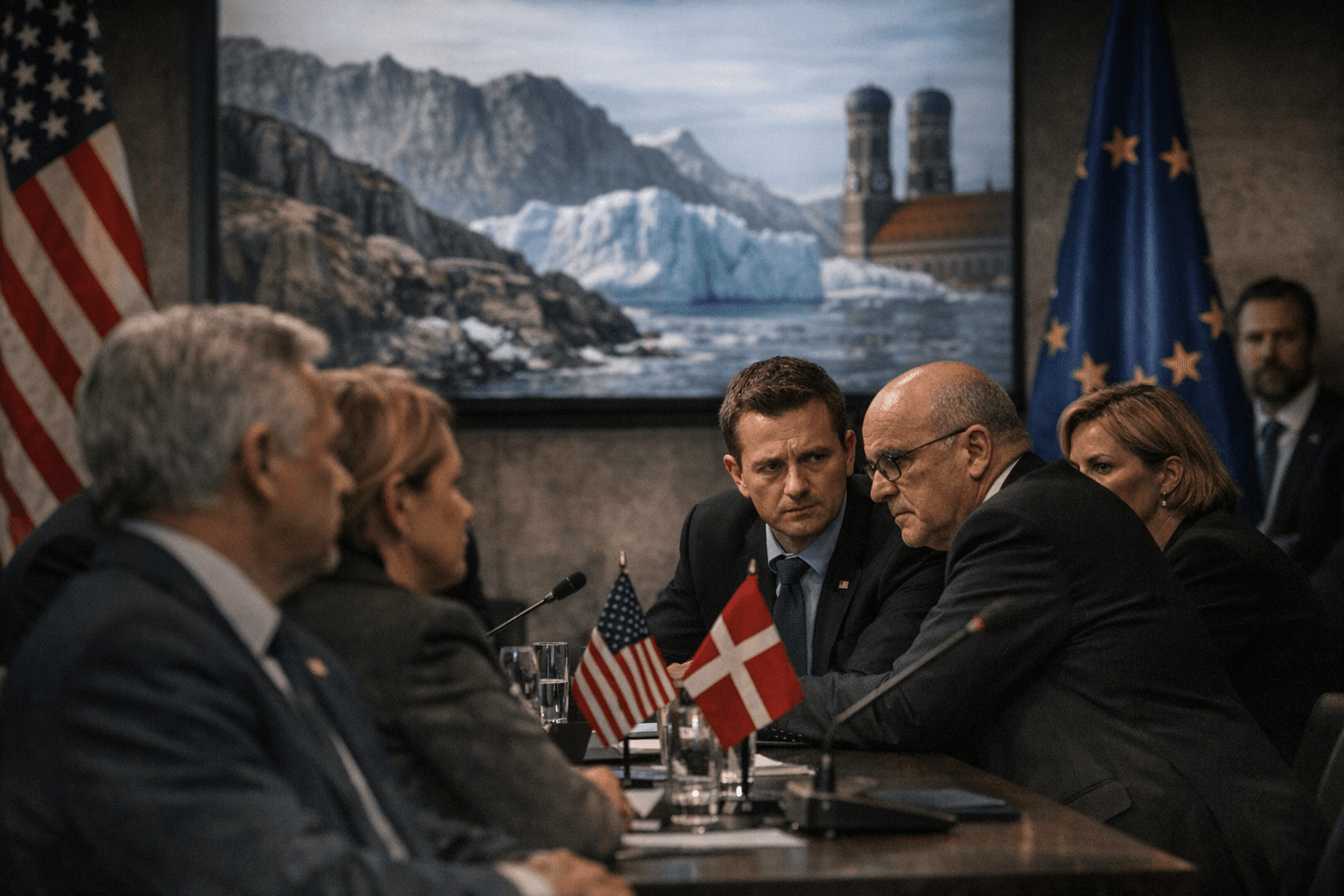
The episode also serves as a cautionary tale for broader alliance management. Representatives said rebuilding trust requires predictable policies, clear channels of communication, and consistent follow-through on diplomatic commitments. They argued that gestures of reassurance will only gain traction if backed by actions that align with allied expectations on defense, trade and climate collaboration.
European counterparts in Munich welcomed the acknowledgement but have made clear privately that forgiveness will not be automatic. Repairing the reputational damage entails not just reassurances but visible participation in multilateral institutions and tangible projects that benefit both Greenland and the wider region, such as infrastructure, environmental monitoring, and scientific cooperation.
As Arctic competition intensifies, the Munich discussions illustrated a larger lesson: personal or impulsive pronouncements can leave geopolitical consequences that last longer than a political term. For policymakers, the imperative now is to translate hope for a calmer style into durable policy that respects international law, local sovereignty and the interdependent interests of transatlantic partners. Only then can the symbolic scars of past episodes begin to fade.
This article was produced by Prism’s automated news system from verified source data, official records, and press releases, then run through automated quality and moderation checks before publishing. The system is built and supervised by the people who set the standards it runs under. Read our full AI policy.
Did this article answer your question?

