Traverse City commissioners consider making portions of State Street two-way permanent
Commissioners will consider making two-way lanes on portions of State Street permanent after a three-year pandemic pilot that city analysis says slowed traffic and reduced crashes.
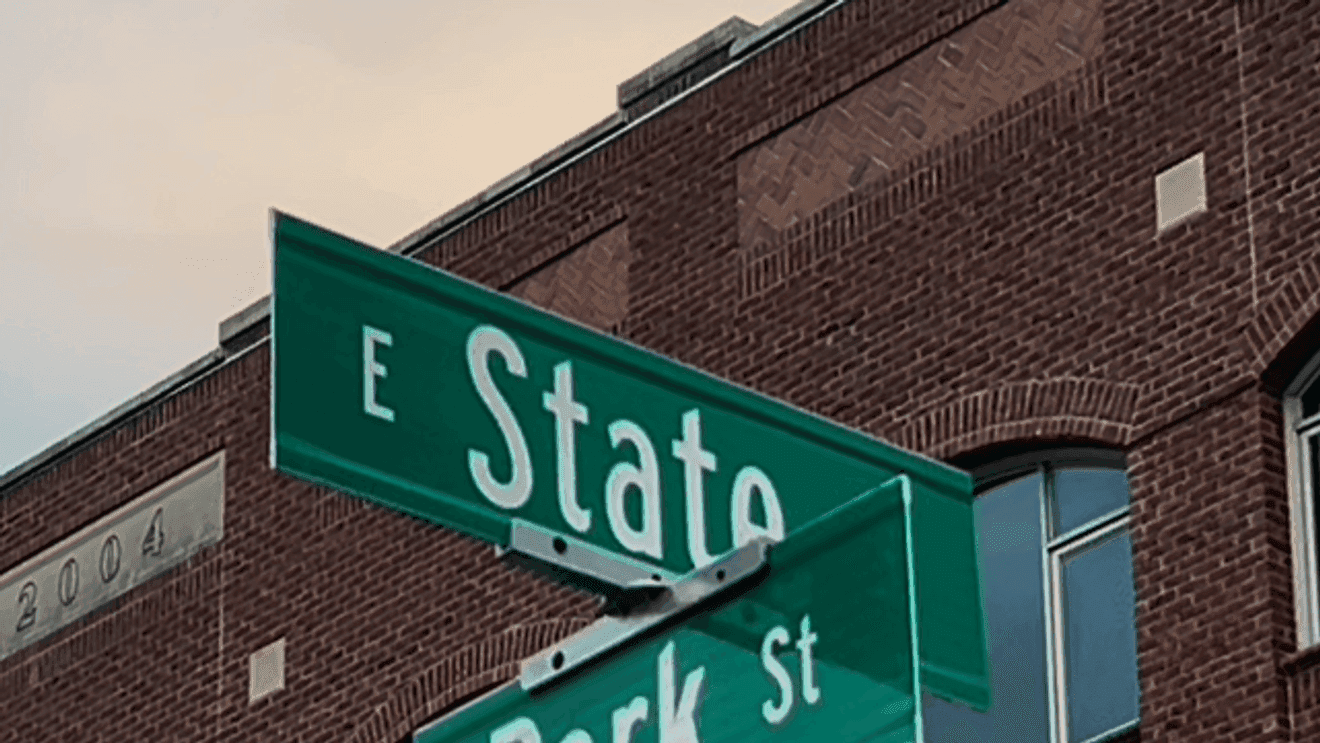
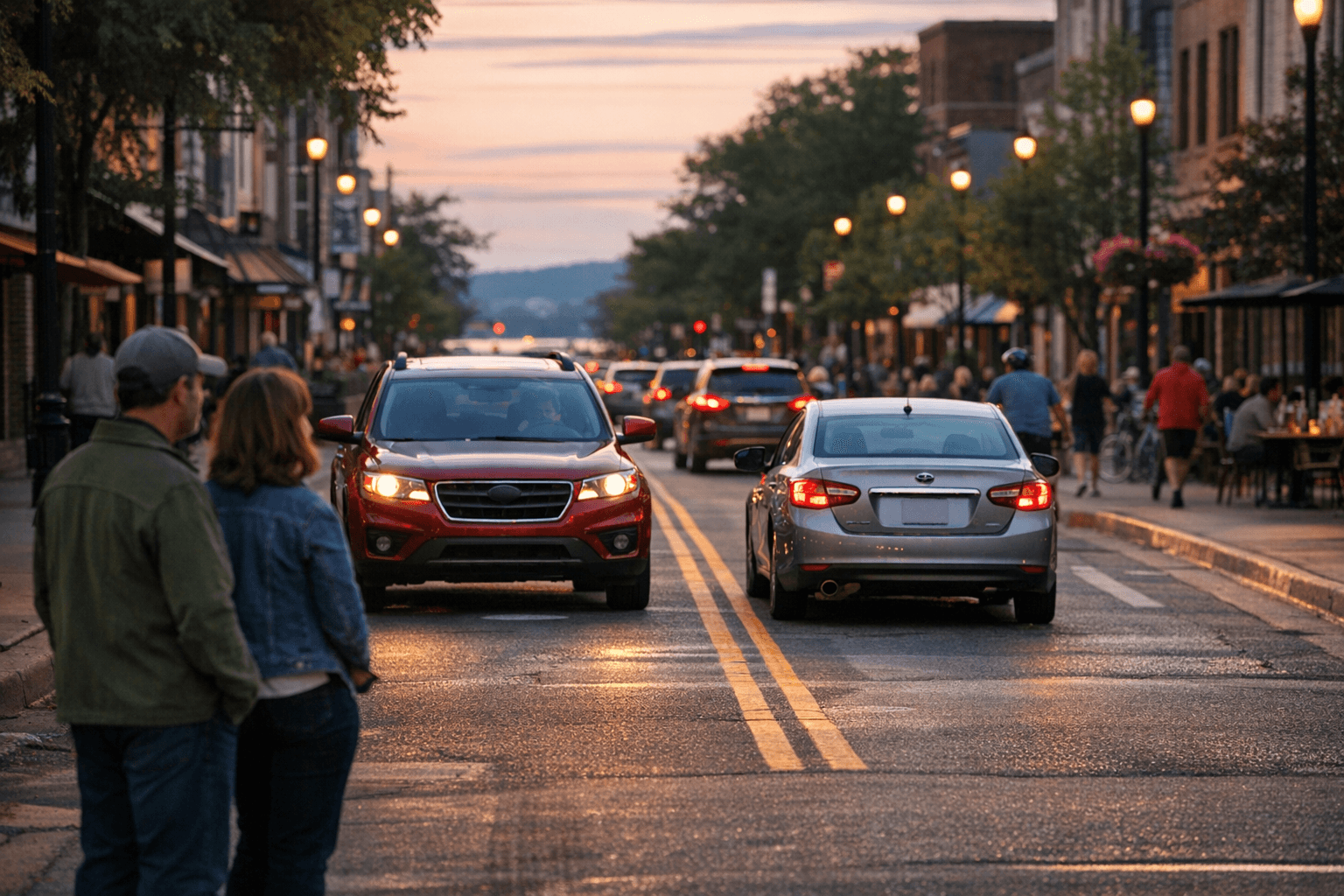
Traverse City commissioners will take up a proposal to make the two-way conversion on portions of State Street permanent at their 7 p.m. meeting Tuesday at the Governmental Center, with commissioners holding final approval authority for the change. The decision follows a multi-year pilot launched during the COVID-19 pandemic and described in city and DDA briefings.
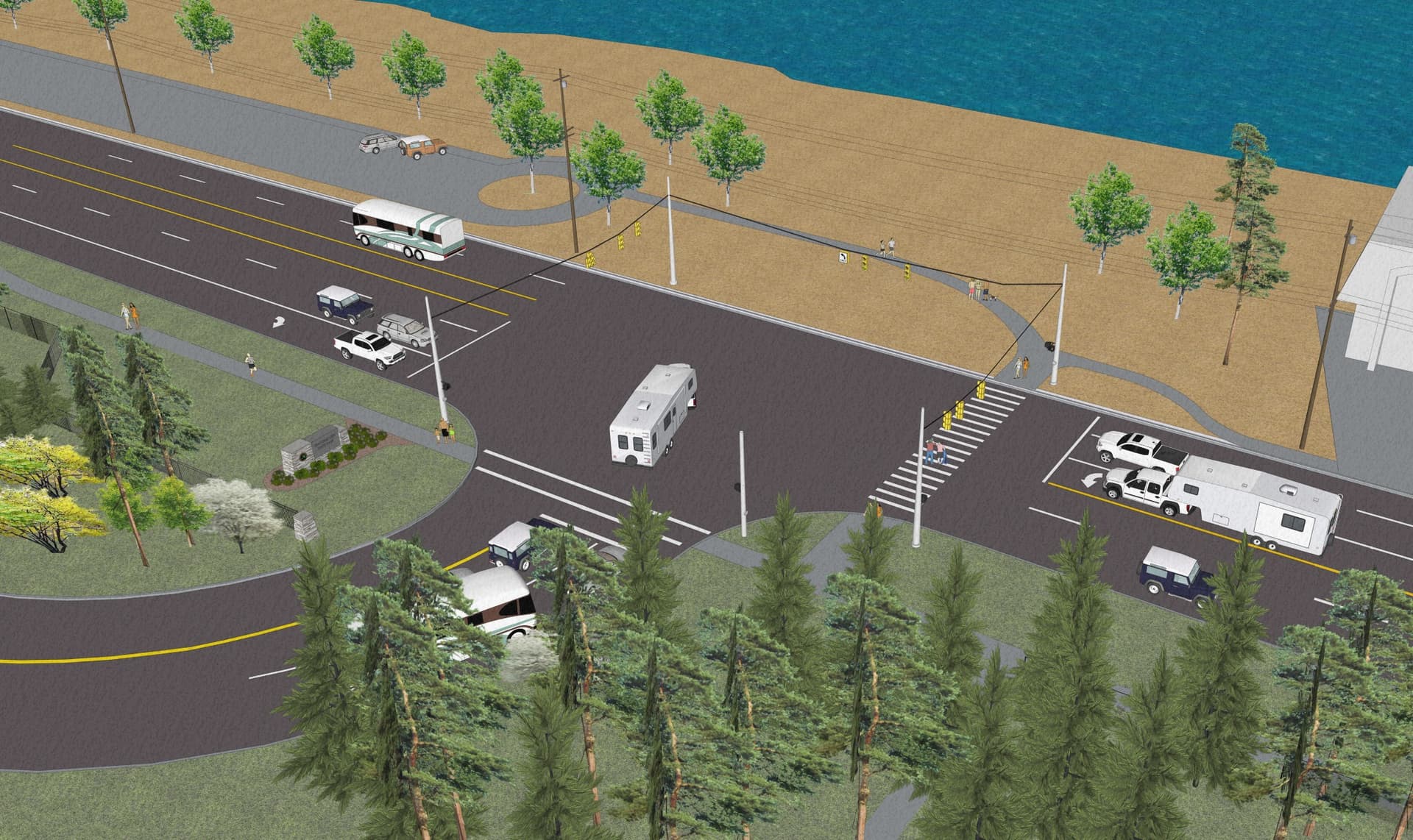
City staff collected data on portions of State Street and also reviewed conditions on Pine and Boardman streets over the last three years, according to local reporting and materials presented to the Downtown Development Authority. Progressive Companies, working on the Downtown Circulation Study, provided traffic modeling, data collection and community engagement that fed into the analysis; Chris Zull of Progressive Companies summarized those findings for the DDA in a November meeting that the board unanimously supported.
The materials and internal city analysis presented to DDA and staff highlighted directional improvements: two-way operations “slowed traffic,” reported officials; the number of reported crashes went down and the number of people walking or biking along State Street increased. City Manager Benjamin Marentette cited an internal employee team and a memo that concluded conversion from one-way to two-way “is consistent with nationally recognized best practices to reduce speed and increase pedestrian safety,” adding that this is “particularly true at mid-block crossings due to better vision for approaching drivers.” Parking utilization also rose, presented by consultants as demonstrated via parking revenue data.
State Street business owners described tangible changes on the corridor. Joel Mulder, operator of a brewery on State Street, said, “We’ve noticed, actually, a pickup in business. When it was one way, it led out of town. So when you’re leaving town and you see a restaurant, you’re already leaving town. But when you’re coming into town and see a restaurant, there’s more opportunity to stop.” Long-time restaurateur Gerilyn DeBoer of Cousin Jenny’s — in business 47 years and on State Street for three decades — said, “It was like a speedway. People just came around the corner and buzzed around. When they changed it over to two ways during Covid, it slowed down traffic.” DeBoer also expressed parking worries: “I just hope they don’t take away too many surface parking areas because I think they’re necessary.”
Officials and consultants signaled that a successful State Street outcome could prompt a closer look at Front Street; a city advisor identified as Pawlik recommended studying Front Street for eventual conversion to two-way to provide consistency and balance eastbound-westbound traffic, while acknowledging past merchant resistance. The discussion over State Street sits against a backdrop of downtown growth: reporting notes plans for new apartment buildings and a parking garage on the west end of downtown that factor into parking and circulation debates.
While presentations to the DDA and internal memos outline benefits, those materials and local coverage cited directional trends without publishing raw crash counts, speed measurements, parking revenue figures or block-by-block pilot limits. The February 17 meeting at the Governmental Center will be the formal forum where commissioners review the memos, consultant summaries and business testimony before deciding whether to make the two-way configuration permanent.
Sources:
Know something we missed? Have a correction or additional information?
Submit a Tip