Tribeca marks 25 years with anniversary programming and public conversation
Tribeca will mark its 25th festival with De Niro and Rosenthal in conversation, free outdoor screenings, and a new CEO steering its next act.
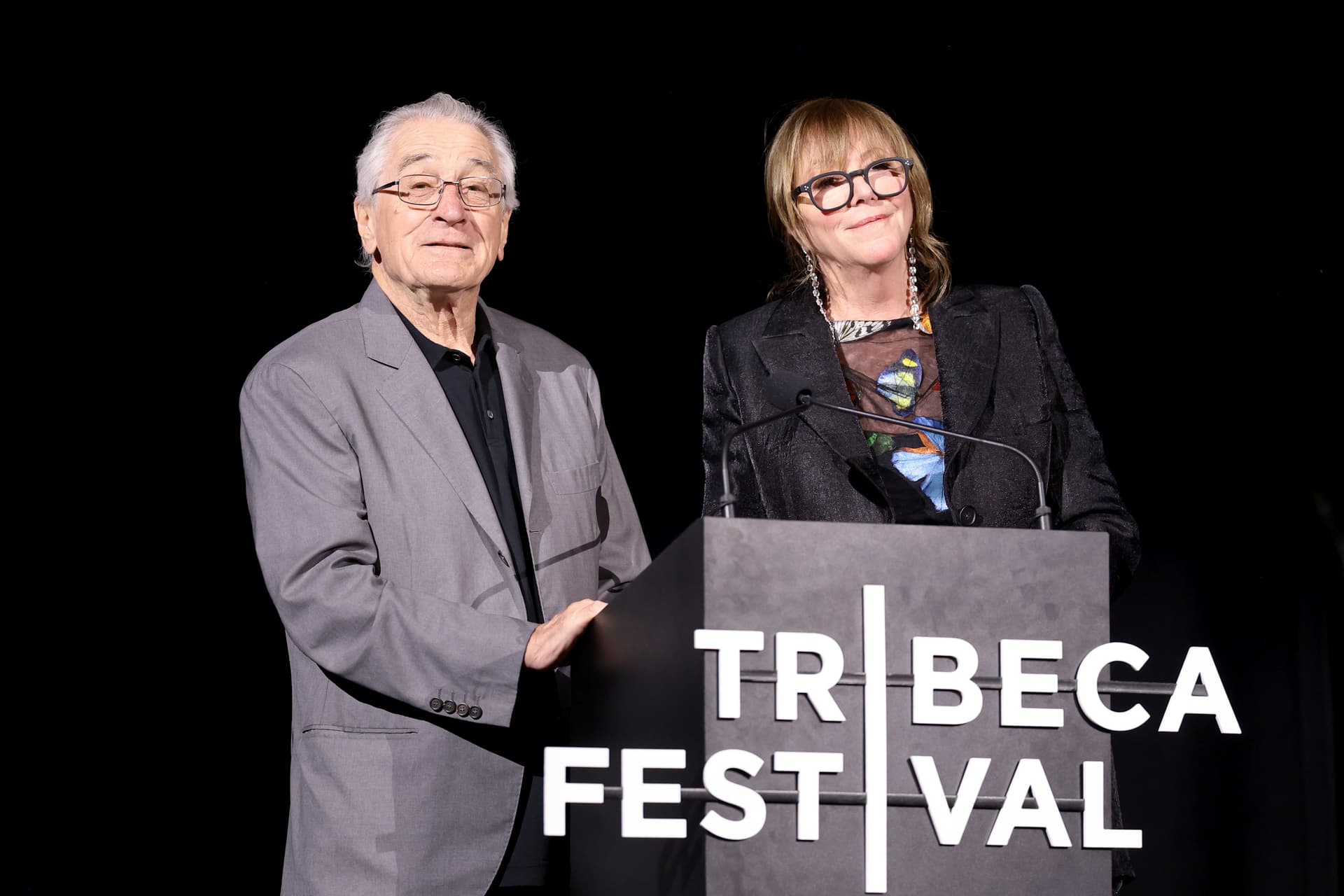
Tribeca will mark its 25th annual festival with a two-week run from June 3 to June 14, 2026 in New York City, pairing anniversary programming with a public conversation featuring co-founders Robert De Niro and Jane Rosenthal. The milestone edition will also include free outdoor screenings, keeping the festival’s public-facing identity at the center of its celebration.
The anniversary arrives with a clearer sense of what Tribeca has become since its origins in the aftermath of the September 11, 2001 attacks. De Niro, Rosenthal and Craig Hatkoff founded the festival to help revitalize Lower Manhattan, and what began as a film-focused civic project has grown into a broader media and storytelling platform with national reach. That evolution matters now, as festivals compete for attention in a crowded landscape and filmmakers weigh what a physical event can still provide that streaming cannot.
Tribeca’s leadership has also shifted as it prepares for its next chapter. In October 2025, Tribeca Enterprises named Rebecca Glashow chief executive, while Rosenthal moved into a co-chair role on the company’s board alongside James Murdoch. Glashow previously led the BBC’s global media and streaming division, a background that reflects how central distribution strategy has become to modern entertainment, even for a festival rooted in live experience and civic purpose.

The 25th-anniversary programming underscores that dual identity. By keeping free outdoor screenings in the mix, Tribeca is signaling that accessibility remains part of its value proposition, not a nostalgic gesture. The festival’s early mission was tied to healing and economic recovery in Lower Manhattan; two and a half decades later, its relevance will be measured by whether it can still function as a meaningful platform for filmmakers, audiences and cities looking for a cultural anchor.
That is the larger question surrounding this anniversary year. Tribeca is not only celebrating longevity. It is being asked to prove that a festival born from crisis still offers something specific and necessary in 2026: access, visibility, convening power and a public square for stories that need to be seen together.
This article was produced by Prism’s automated news system from verified source data, official records, and press releases, then run through automated quality and moderation checks before publishing. The system is built and supervised by the people who set the standards it runs under. Read our full AI policy.
Did this article answer your question?