Trinidad Lake State Park: What residents and visitors need to know
Trinidad Lake State Park anchors Las Animas County around an 800‑acre reservoir; Colorado Parks & Wildlife requires vehicle passes and campsite reservations—call 1‑800‑244‑5613 to reserve now.
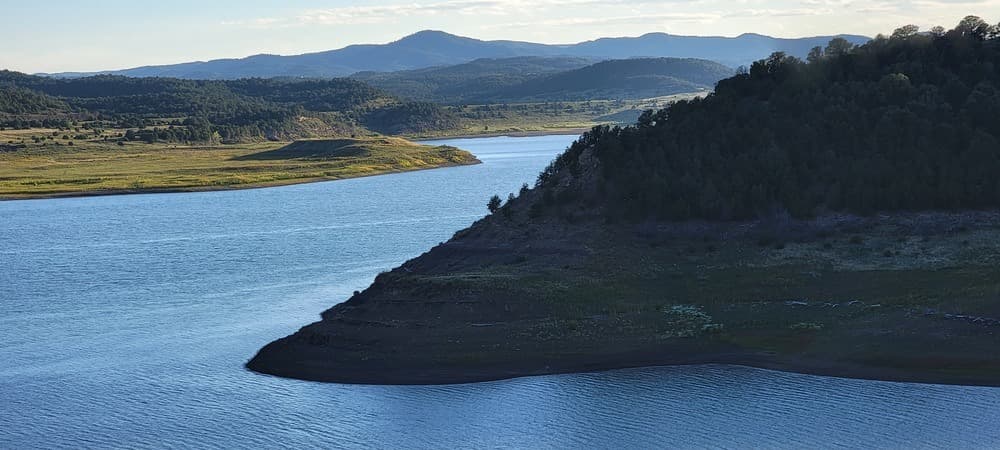
“Trinidad Lake State Park is the county’s largest and most visited outdoor recreation asset, centered on an 800‑plus‑acre reservoir with campgrounds, boat ramps, beaches, more than 10 miles of trails, and interpretive visitor facilities.” That sentence captures why the park matters to Las Animas County residents and visitors alike: it is both a recreational hub and a practical element of regional infrastructure, built by the U.S. Army Corps of Engineers and managed by Colorado Parks & Wildlife. If you plan a weekend at the lake, or if local leaders are weighing park-related budget or land-use choices, these operational details and rules matter—campers are required to reserve sites in advance and all vehicles must display a current state parks pass.
- Address: Trinidad Lake State Park Rd, Trinidad, CO 81082; local tourism office: Visit Trinidad Colorado, 210 W. Main Street, Trinidad, CO 81082.
- Park phone: 719-846-6951. Reservation phone: 1‑800‑244‑5613 (camping reservations).
- Average elevation: about 6,300 feet.
- Park centerpiece: an ~800‑acre reservoir created by an Army Corps dam built in 1978; Colorado State Parks has managed the park since 1980.
- Trails: more than 10 miles through pinyon‑juniper forest.
- Reviews snapshot: based on 137 reviews, visitors praise the views and well‑maintained campgrounds but note issues such as limited swim areas and coin‑operated showers.
Quick facts and contact points
Where it sits and why location matters The park occupies foothill country at the southern edge of the Sangre de Cristo Mountains — the Culebra Range — and lies within the Purgatoire River Valley corridor. It borders two scenic and historic corridors: the Scenic Highway of Legends and the Santa Fe National Historic Trail. That placement both boosts tourism to Trinidad and ties park management to regional economic and cultural assets: four museum complexes sit roughly three miles east of the park, giving visitors a combined outdoor‑history draw that local tourism officials rely on.
History, infrastructure and institutional control “The U.S. Army Corps of Engineers built the dam that created Trinidad Lake as an irrigation and flood‑control project in 1978. The park has been managed by Colorado State Parks since 1980.” That lineage matters for governance: the Corps constructed infrastructure for flood control and irrigation, while Colorado Parks & Wildlife (CPW) operates the facilities and sets day‑to‑day rules, fees, and reservations. Those institutional roles shape funding priorities, user fees, and maintenance responsibilities — points Las Animas County policymakers and voters may revisit when budgets, state parks funding, or multi‑use priorities surface in local forums.
Exactly how big is the park? Sources differ on acreage. Visit Trinidad advertises “over 2,900 acres,” while Colorado Parks & Wildlife — the park’s managing agency — lists the site as a “2,700‑acre park.” The reservoir itself is consistently described as an “800‑plus‑acre reservoir” or “800‑acre lake.” For policy and planning purposes, CPW’s 2,700‑acre figure should be treated as the authoritative operational measure; the tourism figure is useful for economic messaging but should be reconciled publicly by the agency when land‑use decisions or grant applications require a single official acreage.
Recreation and facilities: what you can do and what to expect Trails (more than 10 miles) wind through pinyon and juniper forests and pass spots with mining relics and Indian ruins; birders can find species such as broad‑tailed hummingbirds and great blue herons, while mule deer, elk and cottontail rabbits are common wildlife sightings. Water recreation is a major draw: the 800‑acre lake supports boating, waterskiing and other watersports, and the park provides boat ramps and beaches. “Fishing is permitted anywhere on the lake except in the boat launching and docking area.” Anglers are reported to catch rainbow and brown trout, bass, channel catfish, walleye, saugeye, crappie, bluegill, perch and wipers.
Campgrounds, reservations and practical rules Carpios Ridge Campground and South Shore are the two named campground areas visitors most frequently encounter. “Carpios Ridge Campground provides modern facilities for overnight stops and longer stays for those exploring nearby Fishers Peak State Park, Southern Colorado and Northern New Mexico.” Facilities across the park include RV and trailer hookups, tent campsites, primitive sites, group sites, picnic areas and an archery range. The park is a year‑round destination, though some areas have partial winter closures.

Operational rules to plan around are explicit and enforceable: “Visitors to Trinidad Lake State Park are required to posses a current Colorado State Parks Pass on their vehicle windshield.” A daily pass runs until noon the following day, and “An annual pass is good at any Colorado State Park.” Annual pass holders with multiple vehicles may purchase additional reduced‑fee vehicle passes; Colorado disabled veterans with DV plates are exempt from pass requirements. For camping, “Campers are required to reserve a campsite by calling 1(800) 244-5613 or going online to [the Colorado Parks & Wildlife reservations site].” Plan arrivals and departures with the noon cutoff in mind, and secure reservations ahead of peak summer weekends.
Visitor experience and common complaints A summary of 137 user reviews highlights consistent praise for “beautiful views,” “well‑maintained campground,” and “friendly and helpful staff.” Common concerns reported in those reviews include a perceived lack of official swimming areas, coin‑operated showers, an additional vehicle entrance fee, and campsites described by some as tightly spaced. These operational pain points have direct policy implications: questions about where swimming is allowed, shower infrastructure, and vehicle fee structures are areas where CPW and county officials can engage the public about investments or rule changes.
Special features — geology and history “One of the park’s big claims to fame: It’s home to the KT Boundary, the geological line marking the end of the Mesozoic era of dinosaurs and the dawn of the Cenozoic period. Beneath younger sandstone and coal layers, a thin layer of rock contains shocked quartz and iridium – evidence of the asteroid impact that changed life on Earth.” The KT Boundary is both an education asset and a tourism draw; local schools, museums and tourism programs can leverage it for interpretive programming. The park’s location along the Santa Fe Trail corridor also provides a tangible link to the region’s frontier, trading and mining heritage.
Rules, gaps and follow‑up questions for officials Operationally, CPW provides passes at Visitor Center locations, entrances and self‑service dispensers. But several important specifics are missing from public summaries available to date: current dollar amounts for daily and annual passes, exact nightly camping rates, the park’s official swimming policy and any ADA accessibility details are not provided in the materials reviewed. For residents and local leaders assessing the park’s economic role, these gaps merit direct inquiries to CPW and the Trinidad Lake Visitor Center.
What you can do now Reserve campsites in advance (call 1‑800‑244‑5613) and plan vehicle access around the state parks pass requirement; if you are a Colorado disabled veteran, display DV plates to qualify for the exemption. If you care about how the park is managed, raise those operational gaps — fees, swimming policy, ADA access and acreage reporting — with Colorado Parks & Wildlife or through Visit Trinidad’s tourism office at 210 W. Main Street. Public engagement at the agency level and through county officials is the route to influence how the park’s services and fees evolve.
Conclusion Trinidad Lake State Park combines significant recreation value — an 800‑acre reservoir, campgrounds, trails and historic ties — with institutional complexity rooted in federal construction and state management. For local residents and policymakers, the immediate actions are practical (reserve, buy the correct pass) and civic (press CPW for transparent fee schedules, swim policy clarification and an official acreage statement). The park’s day‑to‑day rules and missing public details are manageable, but they deserve clearer public communication from the agencies responsible so the park can continue to serve as Las Animas County’s largest outdoor asset with predictable costs and access for all.
Know something we missed? Have a correction or additional information?
Submit a Tip