Triple-A Clubs Fine-Tune Development, Workload and Role Transitions for MLB
MLB’s realignment moved Triple-A affiliates more than 200 miles closer on average and bumped minor‑league pay 38–72% for 2021, reshaping how clubs manage Triple-A workload and role transitions.
MLB’s recent realignment and labor changes have hardened Triple-A’s role as the final proving ground for players headed to the majors. MLB says affiliates are now, on average, over 200 miles closer to parent clubs and that players at the Triple‑A, Double‑A, High‑A and Low‑A levels received salary increases ranging from 38 percent to 72 percent for the 2021 season; the move also includes upgraded facilities and less in‑season travel. Those shifts affect how organizations deploy prospects, rehab assignments and roster depth.
Triple-A sits at the pinnacle of MiLB and functions explicitly as an extension and reserve pool for MLB clubs. Triple‑A rosters frequently hold many of the remaining 15 players of a club’s 40‑man roster who are not on the active MLB roster and are available for call‑ups; players at this level can be invited to the majors once rosters expand on September 1, though teams will often wait until affiliates’ playoff runs conclude. The PDC framework, in place since a 1962 agreement, required major‑league clubs to provide and control the rostered players at affiliated minor‑league teams, embedding Triple‑A into MLB roster strategy.
That roster strategy produces a particular mix: Triple‑A is home to “major‑league‑ready prospects,” veteran “4‑A” players, “career minor leaguers” and the non‑official “taxi squad.” Examples in the Triple‑A landscape show the variety — Gerrit Cole was featured with the Indianapolis Indians (a Pirates affiliate) earlier in a season sample, Alex Presley and Josh Harrison have been on and off Indianapolis’ squad as borderline major‑leaguers, Jeff Larish has made a career out of Triple‑A, and Oscar Taveras has been at Triple‑A Memphis with the Cardinals. Fangraphs captures the competitive nuance: prospects such as Cole and Taveras may be more talented than many opponents, but Triple‑A players “have a better idea of what to do with what talent they have,” so the level “has a plan” that tests young players.
On the development side, clubs pair on‑field instruction with off‑field supports. Teams provide nutrition guidance, tailored strength and conditioning programs, and education assistance that includes financial planning, life skills and continuing education to prepare players for life after baseball. Operationally, a major‑league team’s director of player development coordinates placements in the farm system with coaches and managers; end‑of‑spring assignments move players into minor‑league rosters and new draftees typically begin playing in June after signing.

Workload management and role transitions remain the next frontier in Triple‑A practice. An overview of the level’s functions notes that Triple‑A environments cover workload management, starter‑to‑reliever transitions and bullpen usage and that coaching staffs focus on MLB readiness, but public materials do not supply standardized pitch‑count or inning‑limit prescriptions. That operational discretion sits with directors of player development, GMs and coaching staffs, who meet regularly to sort assignments, monitor rehab workloads and weigh September call‑ups.
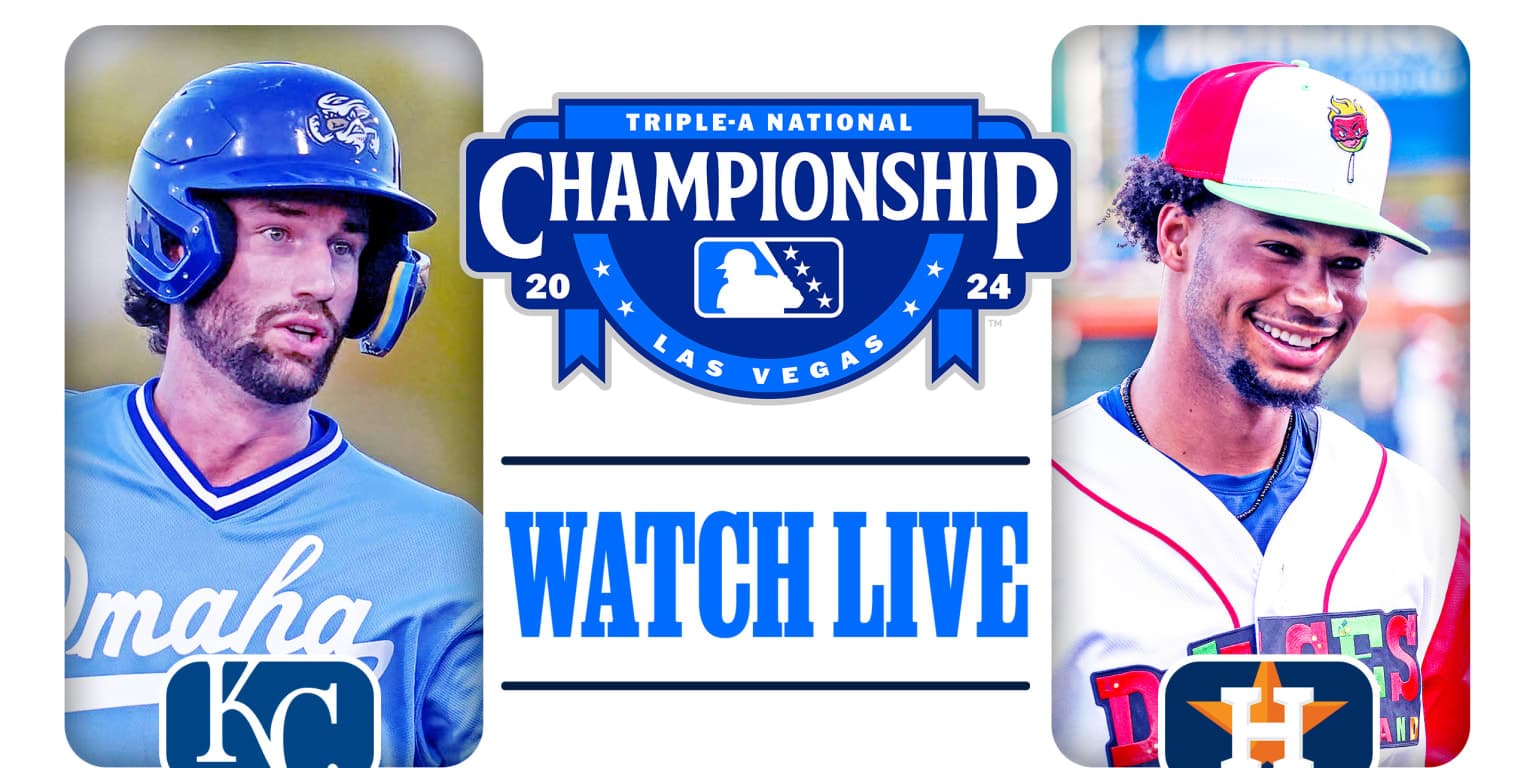
For fans and front offices tracking regional affiliates, MLB’s Triple‑A East Midwest Division lists Columbus Clippers (Indians), Indianapolis Indians (Pirates), Iowa Cubs (Cubs), Louisville Bats (Reds), Omaha Storm Chasers (Royals), St. Paul Saints (Twins) and Toledo Mud Hens (Tigers). As affiliates move closer and resources rise, Triple‑A’s blend of prospect testing, veteran depth and role experimentation will increasingly shape roster decisions at the major‑league level.
Know something we missed? Have a correction or additional information?
Submit a Tip