Triple-A Promotions and Stadium Upgrades Drive Revenue and Fan Engagement
Triple-A clubs are leaning on a promotional calendar playbook and ballpark modernization trends to boost revenue and fan engagement as of February 17, 2026.
Triple-A baseball is doubling down on promotions and stadium upgrades as primary levers for revenue and attendance, with clubs relying on a promotional calendar playbook and ballpark modernization trends to sharpen their competitive edge. The strategy pairs family-friendly pricing and premium in-game experiences to convert casual attendees into repeat customers, a push noted in industry discussions on February 17, 2026.
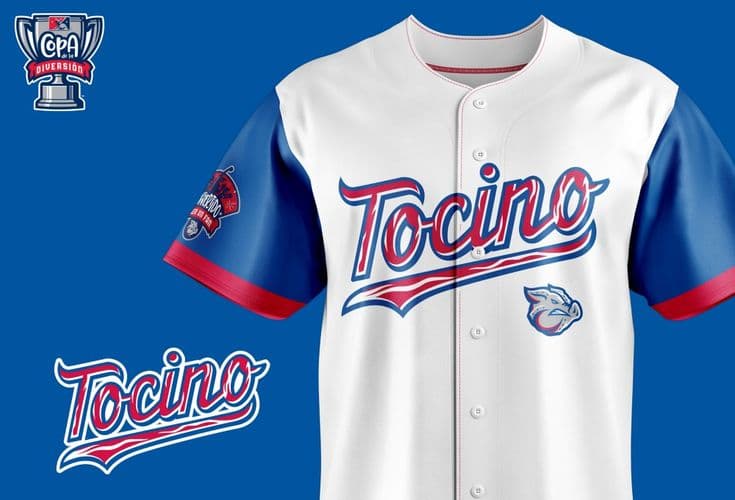
Marketing and ticketing leaders at Triple-A clubs are sequencing promotional calendars to maximize weekday and nonholiday draws, according to the research notes. That promotional calendar playbook emphasizes theme nights, ticket-price tiers and targeted offers that work around busy summer windows; the playbook is being used to protect attendance on lower-demand dates while preserving capacity for premium inventory. With the event date for specific initiatives unknown, teams are treating the calendar as the central revenue management tool for 2026 operations.
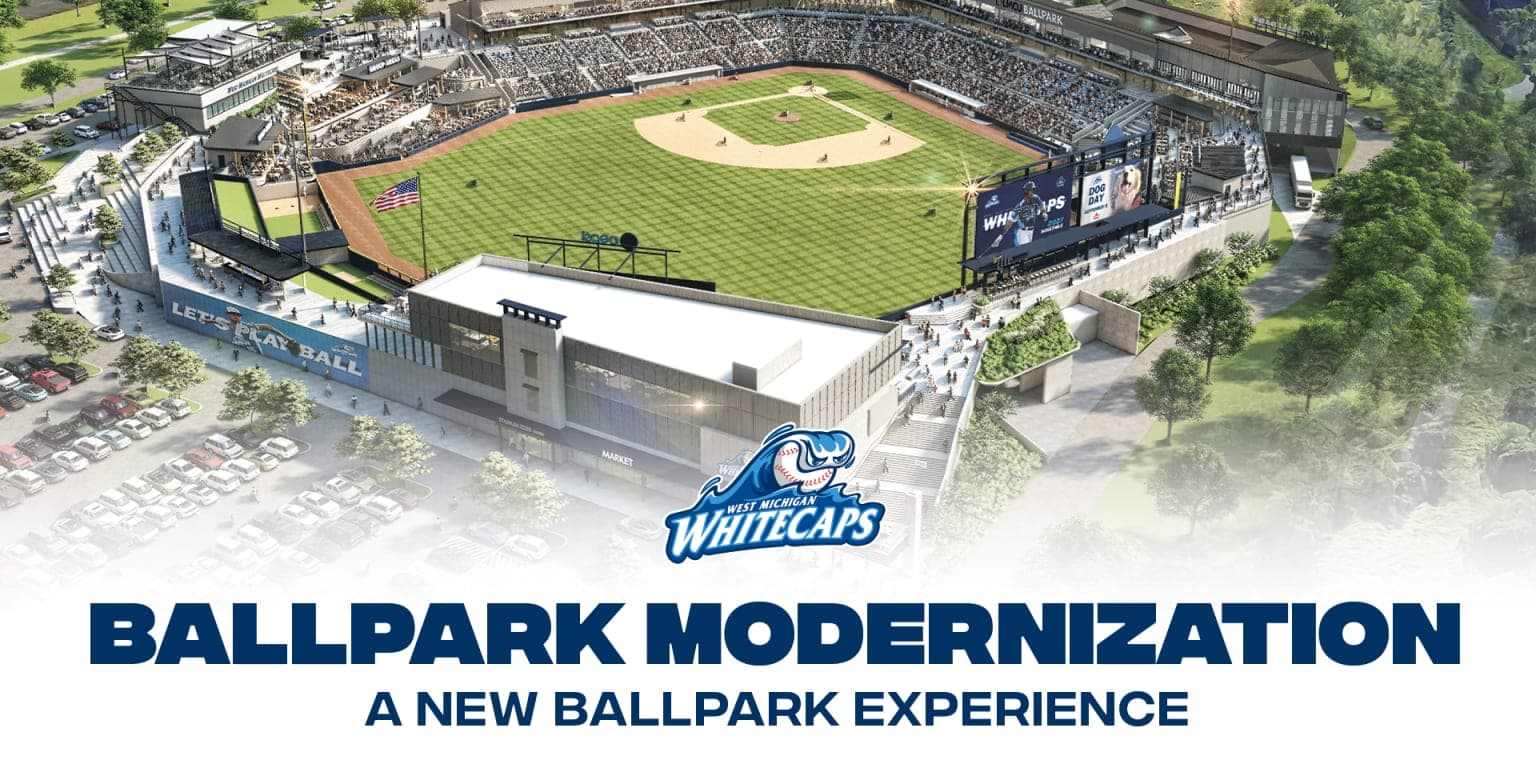
At the same time, clubs are investing in the physical product through what the research frames as ballpark modernization trends. These upgrades include revamps designed to enhance the fan experience and justify higher price points, forming the premium half of the pricing balance that Triple-A executives are pursuing. The modernization trends are being positioned alongside promotions so that upgrades - whether in concourse flow, seating options, or in-game activation spaces - support both higher per-capita spending and the promotional calendar’s effectiveness.
The financial logic is straightforward in the research: sustaining family-friendly pricing keeps broad attendance bases engaged, while premium offerings and stadium improvements increase ancillary revenue. The balance between family-friendly pricing and premium experiences is central to how Triple-A teams aim to expand total gate receipts and concession sales without eroding long-term goodwill among season-ticket holders and families.
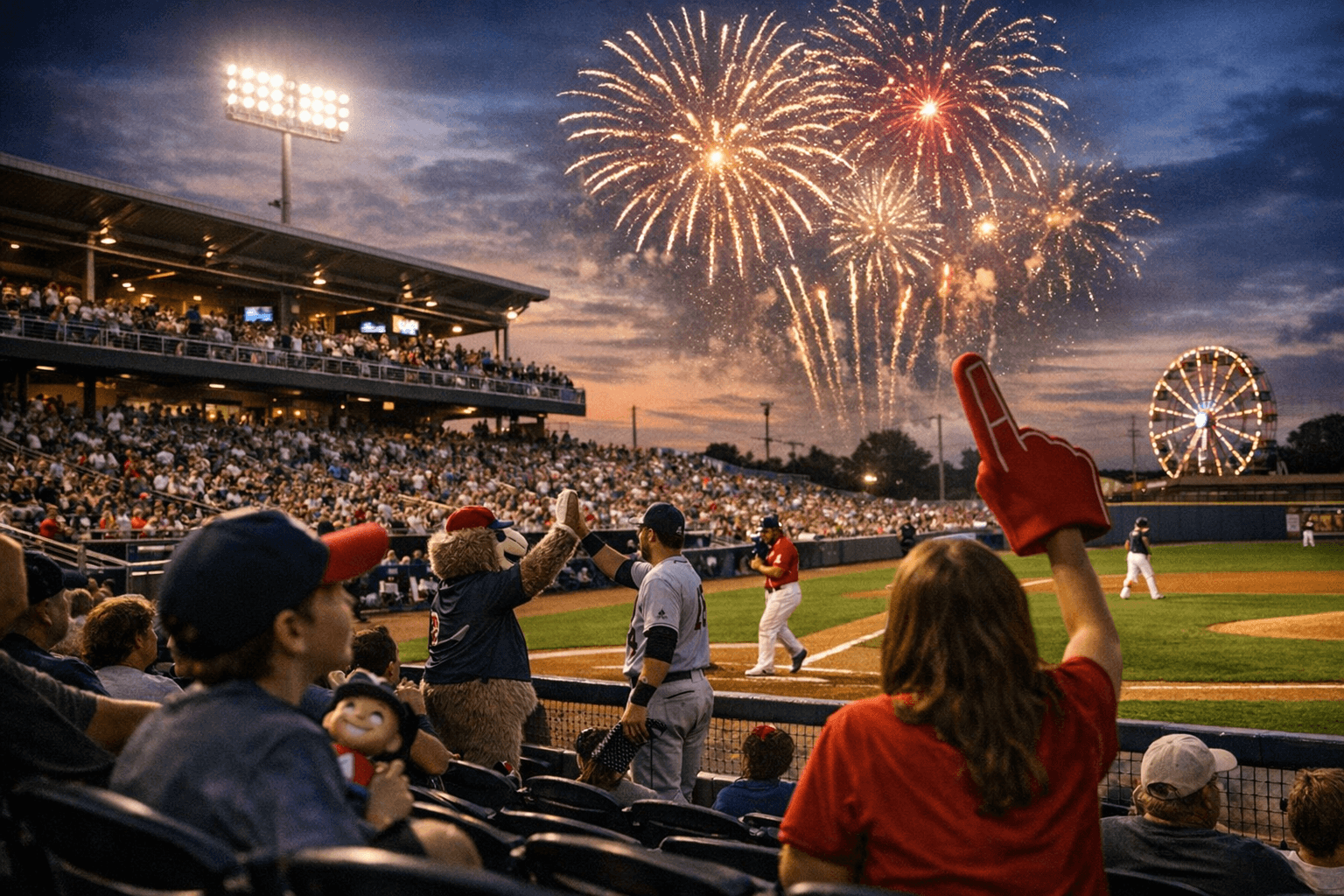
Culturally, the push toward unique in-game experiences reinforces Triple-A’s role as a community entertainment anchor. The notes describe unique in-game experiences as a deliberate tactic to create moments that differentiate minor league nights from other local leisure options, turning ballparks into multiuse destinations. As clubs adopt the promotional calendar playbook and implement ballpark modernization trends, they are recalibrating how promotions translate into meaningful attendance growth rather than one-off spikes.
Looking ahead from February 17, 2026, the research suggests Triple-A franchises will continue to refine the mix of promotions, pricing and capital work. With the event date of specific projects unknown, the immediate takeaway for operators is clear: coordinated promotions and targeted stadium upgrades are becoming the industry’s primary playbook to drive revenue and deepen fan engagement at the Triple-A level.
Know something we missed? Have a correction or additional information?
Submit a Tip