Troy University and Baptist Health Partner to Train, Retain Regional Nurses
Troy University and Baptist Health announced a partnership to train and retain nurses in the River Region, creating local pathways for education to address staffing shortages.

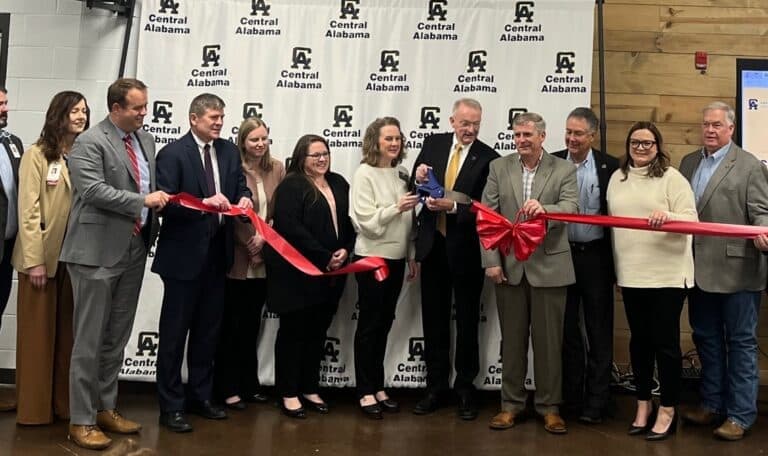
Troy University’s Montgomery campus and Baptist Health announced a partnership intended to strengthen the local health workforce and keep nurses working in the Montgomery/River Region. The agreement, unveiled Jan. 22, 2026, focuses on creating pathways for current and future nurses to pursue higher credentials and continuing education while remaining employed in the region.
Hospital and clinic staffing shortages have strained care across the River Region, including Autauga County, where travel to larger centers and limited local training options contribute to workforce gaps. By expanding access to nursing education tied to the workplace, the partnership aims to reduce those gaps and improve continuity of care for residents who rely on close-to-home services. Local leaders framed the effort as a response to ongoing staffing challenges that affect wait times, clinic hours, and the availability of specialty and primary care.
The initiative centers on enabling nurses already in the system to advance their qualifications without leaving their jobs. That model prioritizes retention over recruitment, keeping clinical experience and institutional knowledge within area facilities. For patients, a more stable nursing staff can mean fewer canceled clinics, steadier staffing in emergency departments, and a better chance that long-term and post-acute patients see familiar caregivers.
Public health implications extend beyond immediate staffing relief. Strengthening the regional pipeline of nurses supports pandemic preparedness, chronic disease management, maternal and elder care, and behavioral health services, all areas where continuity and local expertise matter. For communities in Autauga County that face transportation barriers or economic constraints, local training opportunities can reduce the need to relocate or commute long distances for education and work.
The agreement also touches on equity in the healthcare workforce. Offering continuing education pathways while nurses remain employed helps workers with caregiving responsibilities, limited financial resources, or other constraints access career advancement. That can diversify the pipeline of clinicians serving rural and working-class neighborhoods in the River Region and may improve culturally competent care for historically underserved populations.
Details such as enrollment procedures, program schedules, tuition assistance, clinical placement specifics, and the timeline for implementation were not included in the initial announcement. Community members, hospital staff, and prospective students should monitor Troy University Montgomery and Baptist Health communications for concrete enrollment and funding information.
For Autauga County residents, the deal represents a practical step toward more reliable local healthcare staffing. If the partnership succeeds in keeping more nurses in the region and expanding training access, patients may see steadier services and shorter delays for care. The next measure of this effort will be how quickly training slots, support services, and retention results translate into observable improvements at local clinics and hospitals.
Sources:
Know something we missed? Have a correction or additional information?
Submit a Tip