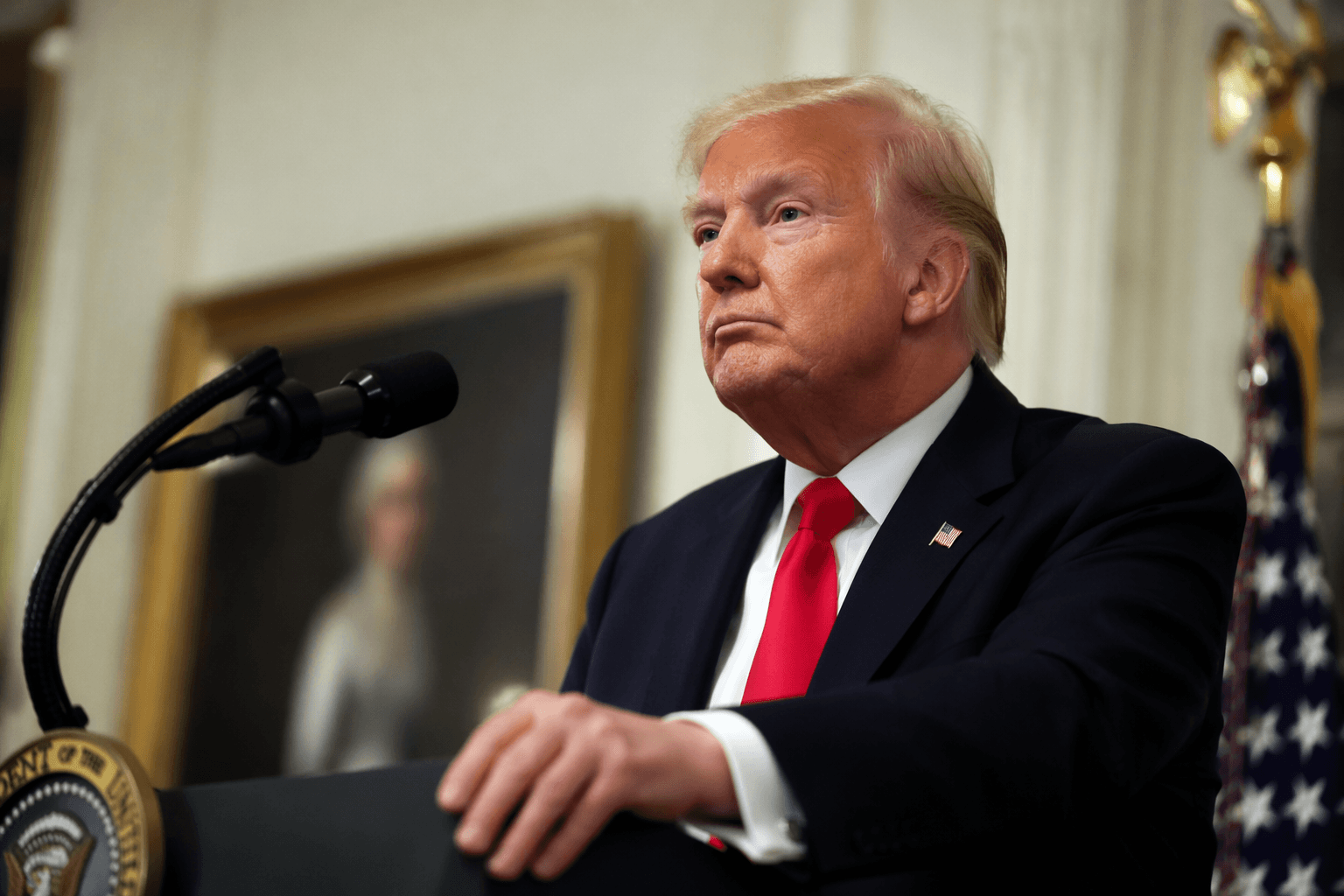
Trump administration backs off $1.8 billion anti-weaponization fund
Todd Blanche said the Justice Department was “not moving forward” with the $1.776 billion fund, but Trump later said he would “have to ask the lawyers.”
The Justice Department’s proposed $1.776 billion anti-weaponization fund was left in limbo as two top Trump administration voices gave different answers about whether the money was truly dead. Acting Attorney General Todd Blanche told lawmakers on June 2 that the department was “not moving forward with the fund, period,” then confirmed it was “Correct” when asked whether that meant not moving forward ever.
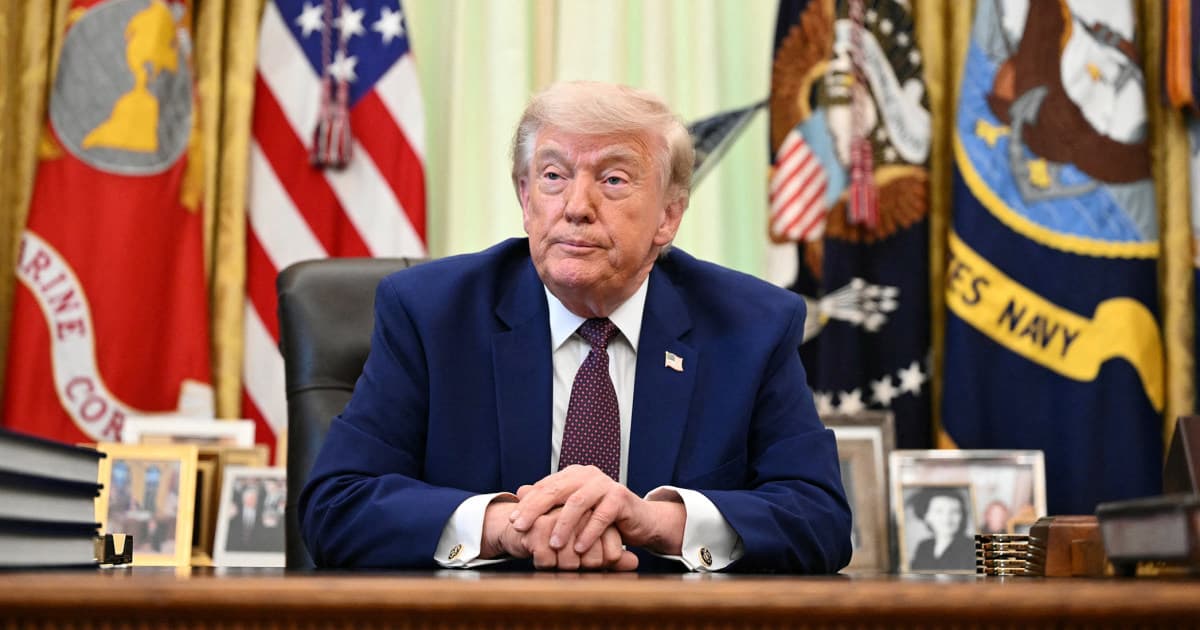
Donald Trump complicated that message a day later. Speaking in the Oval Office, he said he was not sure whether the fund was finished, telling reporters, “I’d have to ask the lawyers. I don’t know.” The split underscored a familiar problem inside the administration: the White House can signal retreat, but the Justice Department still has to answer for a plan that was announced as a formal settlement term and then quickly engulfed by legal and political blowback.
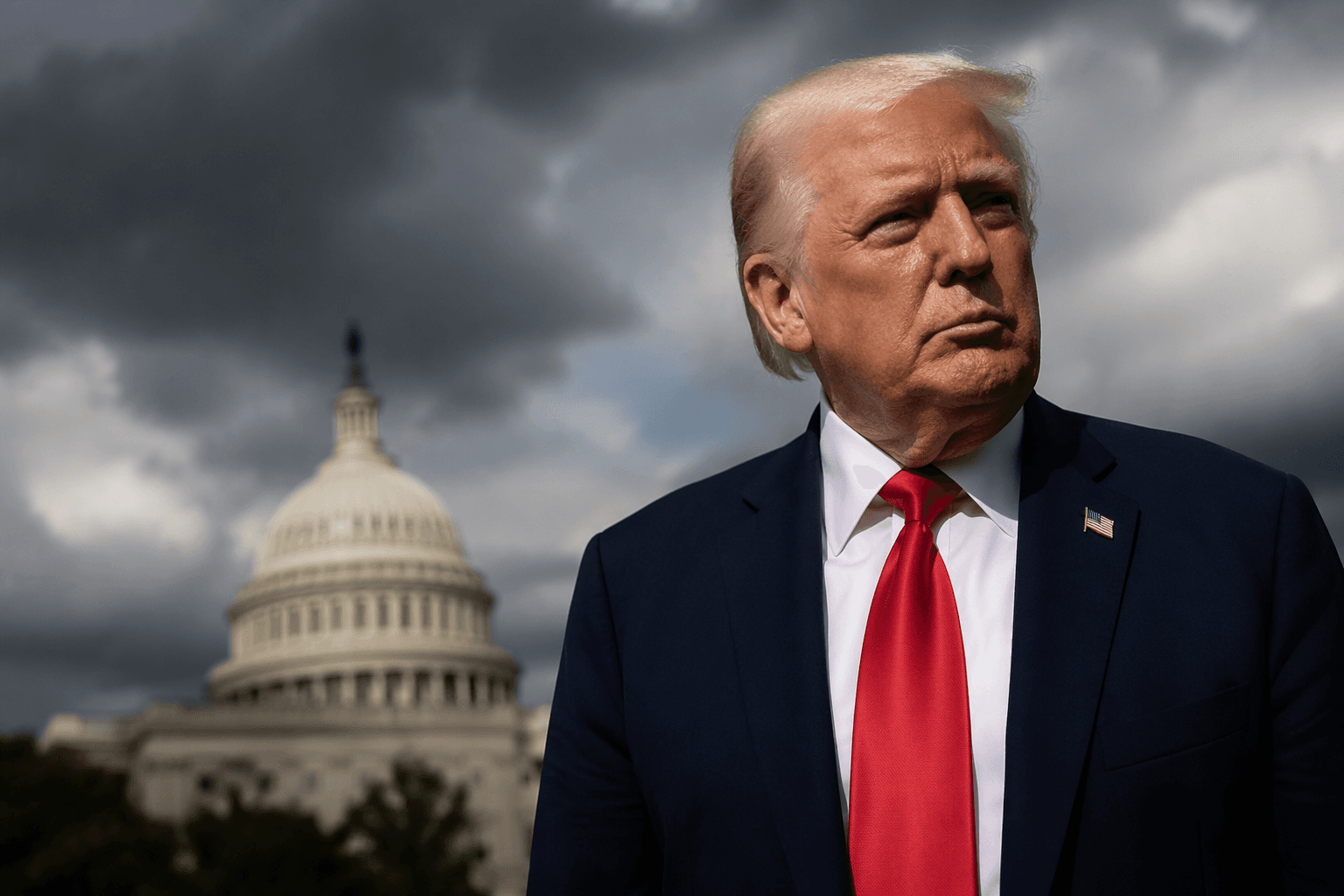
The fund was announced on May 18 as part of Trump’s settlement of his IRS lawsuit. It was described by the Justice Department as an Anti-Weaponization Fund for people who say they were harmed by government abuse. Critics in Congress and outside the administration said the arrangement looked more like a taxpayer-funded slush fund, especially because a separate settlement provision would broadly shield Trump, his sons and the Trump Organization from future tax enforcement and related government action.
The legal fight has already moved into federal court in Virginia. A judge temporarily blocked the administration’s ability to administer the fund, and a hearing in the Eastern District of Virginia was set for June 12. The Justice Department said it would abide by the court’s order, and a White House official told congressional Republicans the administration was backing off the plan.
That retreat has not settled the politics. The controversy triggered rare bipartisan backlash on Capitol Hill, including concern from Senate Republicans who said they did not have the votes to advance related legislation until the White House addressed the issue. Senate Majority Leader John Thune said he hoped Blanche’s remarks would be enough to “land the plane.”
A coalition of plaintiffs, including former federal prosecutor Andrew Floyd, professor Jonathan Caravello, the City of New Haven, the National Abortion Federation, Common Cause and law enforcement figures tied to Jan. 6, is still pressing the court to stop any payments. Democracy Forward, which is leading one of the lawsuits, said it would keep challenging the program until the administration fully abandons the scheme. The clash now reaches beyond one disputed fund: it exposes how much authority the White House has over policy messaging, and how little certainty remains when the lawyers, the courts and the president are not saying the same thing.
This article was produced by Prism’s automated news system from verified source data, official records, and press releases, then run through automated quality and moderation checks before publishing. The system is built and supervised by the people who set the standards it runs under. Read our full AI policy.
Know something we missed? Have a correction or additional information?
Submit a Tip