Trump administration faces legal brain drain as DOJ lawyers depart
The Justice Department’s immigration and policy defense units have lost hundreds of lawyers, leaving Trump’s court battles thinner and more vulnerable.
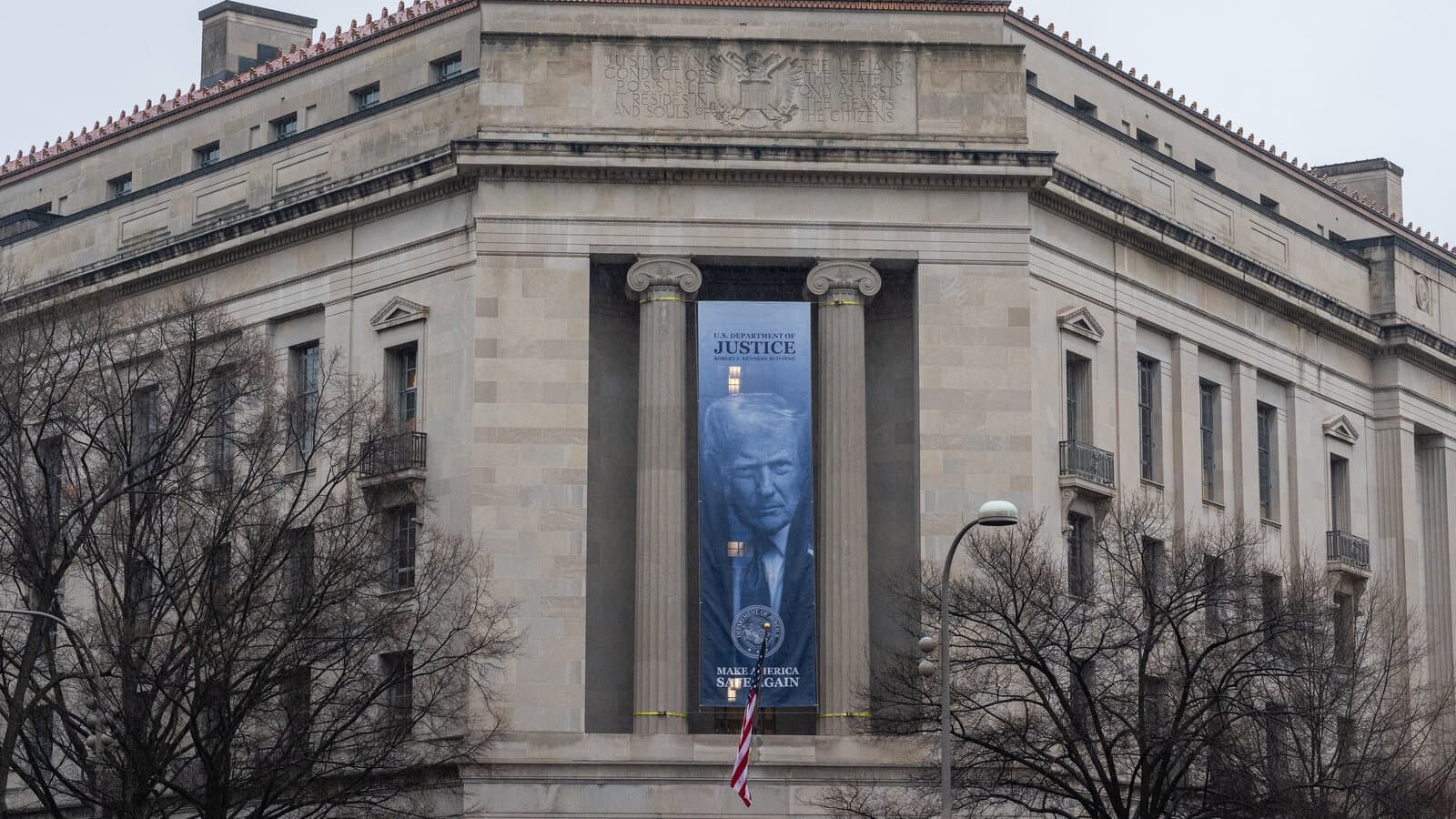
The Justice Department is losing seasoned litigators faster than it can replace them, and the biggest damage is hitting the offices responsible for defending Donald Trump’s immigration agenda and other signature policies in court. The Office of Immigration Litigation began Trump’s second term with more than 300 attorneys, then lost at least 100 after January 2025, a collapse of roughly one-third of the unit. In the separate Federal Programs Branch, 69 of about 110 lawyers had left, nearly two-thirds of the team.
Those losses matter because these are not routine staffing gaps. The immigration office handles challenges to deportation policies, while the Federal Programs Branch has been defending high-stakes fights over birthright citizenship and funding cuts to Harvard University. When experienced lawyers leave in that volume, the government does not just lose names on an org chart. It loses institutional memory, courtroom strategy, and the ability to move quickly in cases where injunctions and emergency rulings can reshape policy within days.

The broader exodus suggests a department under strain. More than 3,300 Justice Department attorneys have left since Trump returned to the White House, while roughly 800 were hired, according to Office of Personnel Management figures reviewed by USA TODAY. CBS News later reported that more than 5,000 employees had resigned, retired, or been fired from the department during the first year of Trump’s second administration. The scale of turnover is unusual for an institution that has long served as a feeder for elite legal talent from top law schools and major firms.

The hiring problem is becoming part of the story. The American Bar Association and congressional testimony in 2025 pointed to a shortage of qualified candidates, bureaucratic delays, and hiring freezes that have slowed the department’s ability to fill vacancies. That leaves the remaining lawyers carrying heavier caseloads in politically sensitive litigation, where the administration’s agenda can hinge on whether a government lawyer is available, prepared, and already steeped in the case file.
For now, the departures look like more than ideological turnover inside a second Trump administration. They are also a warning sign about capacity. A Justice Department that cannot staff its most important defense units risks losing not only cases, but the ability to defend an entire governing program with speed and consistency in federal court.
This article was produced by Prism’s automated news system from verified source data, official records, and press releases, then run through automated quality and moderation checks before publishing. The system is built and supervised by the people who set the standards it runs under. Read our full AI policy.
Did this article answer your question?

