Trump administration faces mounting legal battles over rule of law
Hundreds of lawsuits, blocked executive actions and a Justice Department bound by independence and impartiality have made Trump’s second term a test of the rule of law.
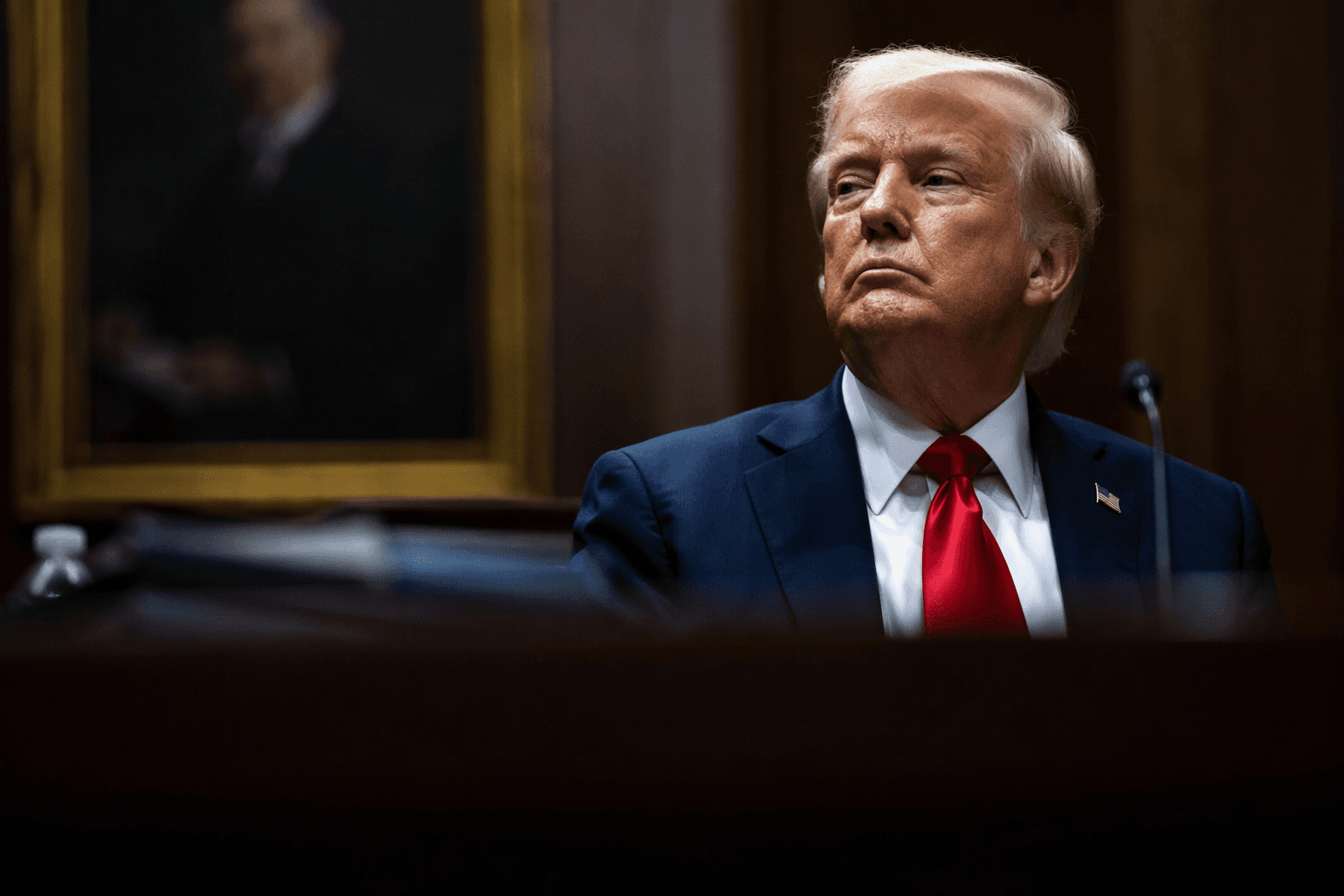
The Trump administration is being pulled into a widening legal fight that goes beyond any single order or lawsuit. Hundreds of cases have challenged executive actions in President Donald Trump’s second administration, including moves tied to Elon Musk’s Department of Government Efficiency, and courts have already blocked the administration in a number of disputes while appeals continue.
The conflict cuts to the core of how the Justice Department is supposed to function. The department says its mission is to uphold the rule of law, and it lists independence and impartiality as core values. Those are not decorative phrases. They are the guardrails that are supposed to separate legal judgment from political loyalty, especially when a president’s agenda is being tested in court almost continuously.
The institutional stakes are sharpened by history. The Justice Department traces its origins to the Judiciary Act of September 26, 1789, a reminder that federal law enforcement was built to serve the constitutional order, not a single officeholder. Watergate remains the clearest modern comparison for a presidency that collided with the rule of law, beginning with the June 17, 1972 break-in at Democratic National Committee headquarters in Washington’s Watergate Office Building.
Trump’s current legal exposure is broader than one category of case. He has been fighting multiple criminal indictments and civil litigation, and the Supreme Court’s immunity ruling meant his federal election-interference trial did not happen before the election. That timing matters because delay can reshape accountability, narrow the practical reach of prosecutions and leave unresolved questions about how much a president can be shielded from the ordinary machinery of justice.

The Jan. 6 cases underscore the same point from a different angle. Nearly 1,500 Capitol riot cases have been brought by the Justice Department, and judges and juries have repeatedly reached conclusions that sharply contradict Trump’s public framing of the attack. The result is a stark institutional split: one branch of government making criminal findings through evidence and process, another political movement trying to recast those findings in public memory.

If the confrontation escalates further, impeachment remains the constitutional backstop, but it is a difficult one. The Senate says conviction requires a two-thirds vote, and there is no appeal. That makes impeachment an inquiry into violations of the public trust, not a routine substitute for courtroom accountability. For a presidency already under heavy legal pressure, the larger question is whether the country’s legal institutions can keep their independence intact as executive power tests them again and again.
This article was produced by Prism’s automated news system from verified source data, official records, and press releases, then run through automated quality and moderation checks before publishing. The system is built and supervised by the people who set the standards it runs under. Read our full AI policy.
Did this article answer your question?

