Trump administration launches $1,000 child investment accounts for newborns
Trump's new child investment accounts opened beside America250 celebrations, pairing a $1,000 federal seed with a patriotic rollout and raising questions about who can really build wealth.
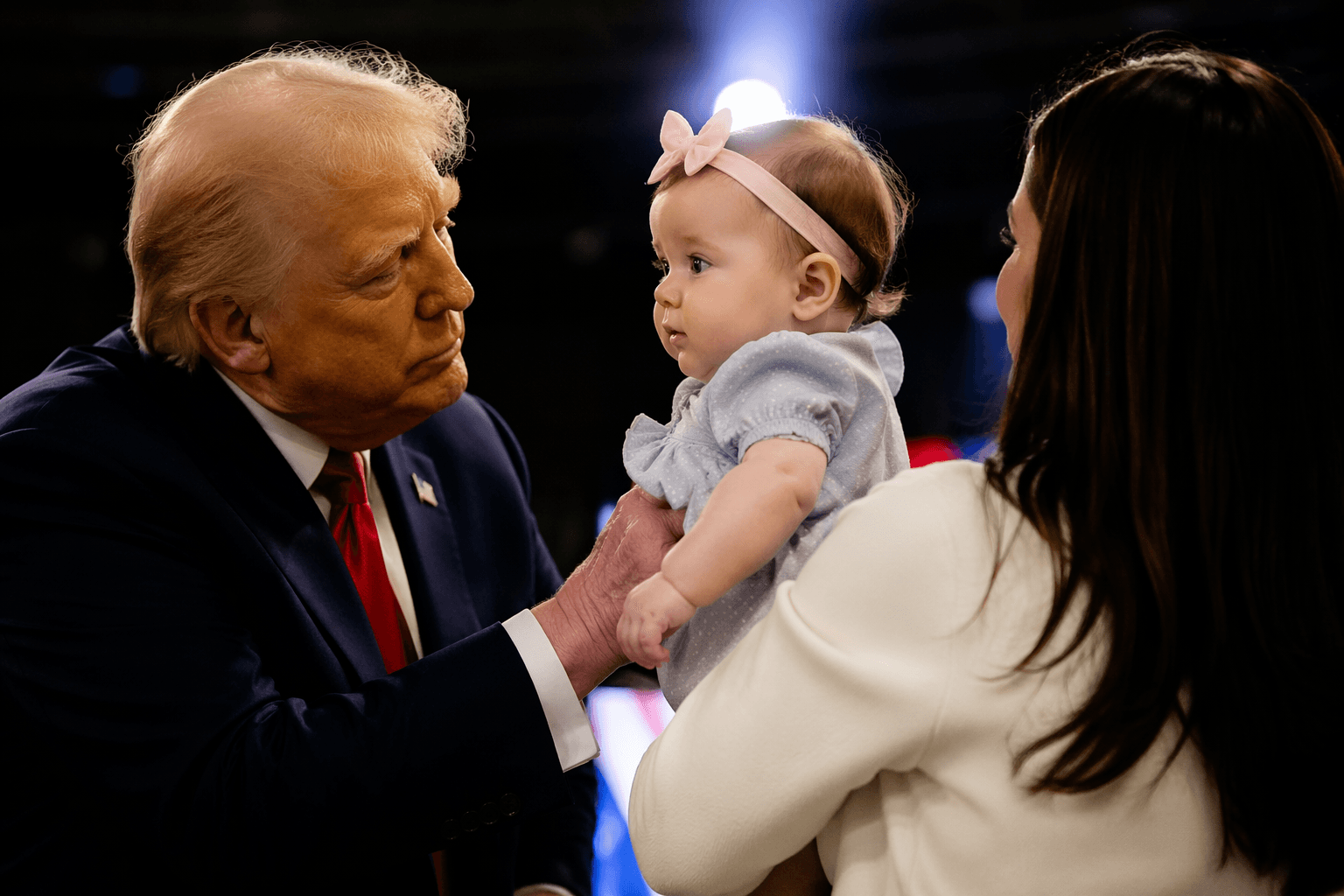
President Donald Trump’s administration launched its Trump Accounts program on Saturday, pairing a new child-investment plan with the opening weekend of America250’s July 4 celebration. The Treasury Department said account activation began for millions of American families ahead of the official July 4, 2026 launch, putting the administration’s newest savings product at the center of a national commemoration.
The program gives eligible children a one-time federal seed of $1,000, with the government contribution available for each U.S. citizen born from Jan. 1, 2025, through Dec. 31, 2028. Treasury and IRS guidance says parents, guardians and other authorized individuals can establish the account for a child who has not turned 18 by the end of the year in which the election is made and who has a valid Social Security number. Contributions cannot be made before July 4, 2026, and the administration has already issued proposed regulations for the pilot program, dated March 6, 2026.
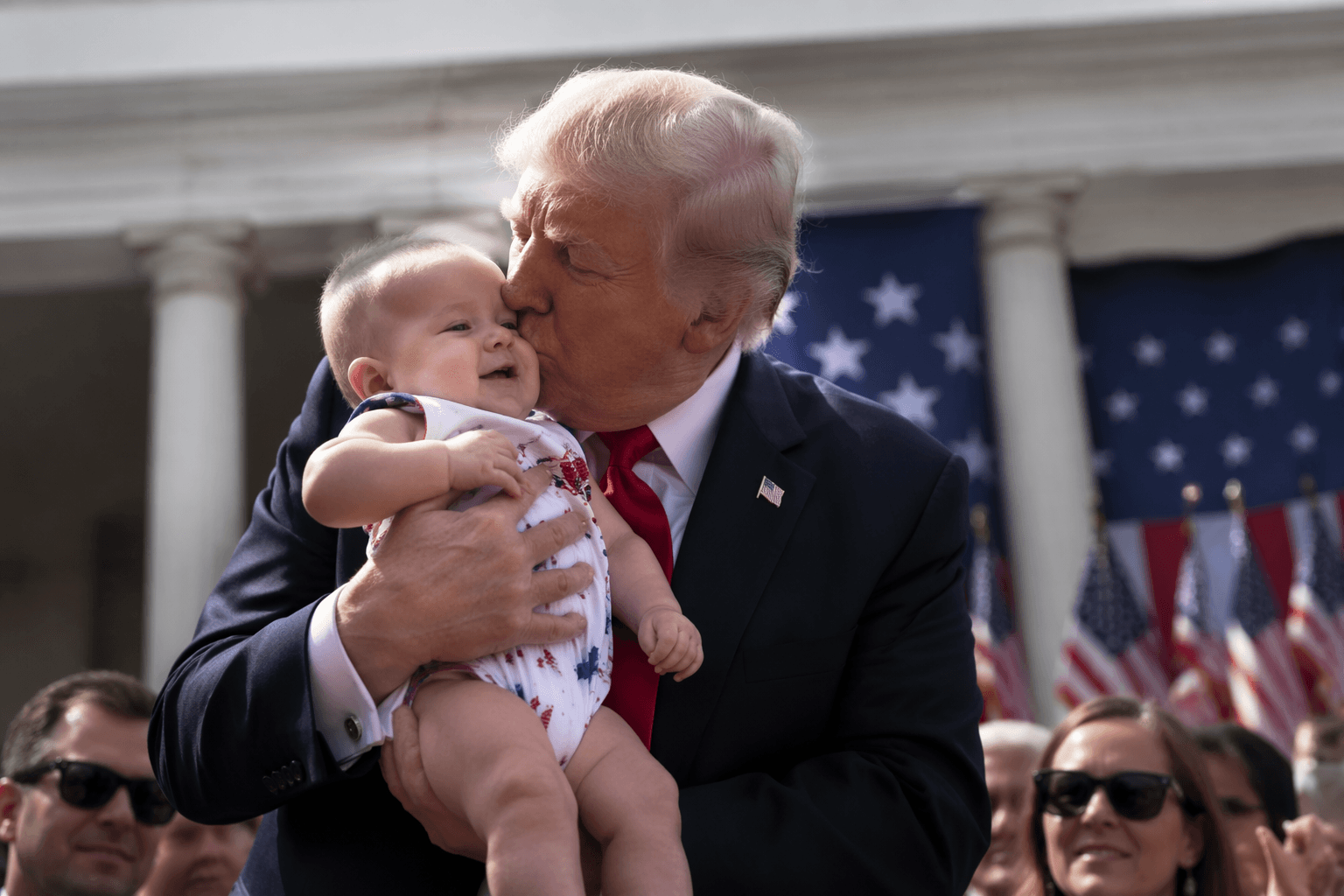
The accounts are pitched as a way to give children a financial start and encourage saving and investing early, but the structure also makes clear who benefits most. The initial federal deposit helps every eligible child begin with something, yet the long-term gain depends on whether families can add money over time and whether markets rise enough to compound those contributions. Andy Blocker of Edward Jones said the first deposit removes “the barrier of having nothing to start with,” but that the real test will be whether households keep contributing year after year.
That dependence on family savings is why the policy has drawn skepticism from critics and economists who say lower-income households may be least able to use the account as a wealth-building tool. The basic design resembles a retirement or college-savings vehicle more than an immediate cash benefit, which means its economic impact will arrive slowly, if at all, and only for families able to participate beyond the federal seed. Supporters counter that even a small government contribution could normalize investing for children who otherwise would start with no account at all.
The rollout also underscored how closely the administration tied policy to branding. America250 described July 4, 2026 as the 250th anniversary of the signing of the Declaration of Independence and scheduled July 3-5 programming that included “America’s Block Party” and a “Giving 4th” charitable-giving push. The White House’s Freedom 250 page placed Trump Accounts for Children among the administration’s major investment announcements, turning a public anniversary into a stage for a signature policy. That overlap raises legal and ethical questions about whether a national commemoration is being used as a political-commercial vehicle, while the economic question remains whether the accounts will meaningfully widen asset ownership or merely decorate it with patriotic branding.
This article was produced by Prism’s automated news system from verified source data, official records, and press releases, then run through automated quality and moderation checks before publishing. The system is built and supervised by the people who set the standards it runs under. Read our full AI policy.
Did this article answer your question?