Trump Administration Moves to Evict Bison from Montana Grasslands
A 2026 Interior decision put 63,500 acres of Montana grassland at the center of a fight over bison, tribal rights and cattle grazing.

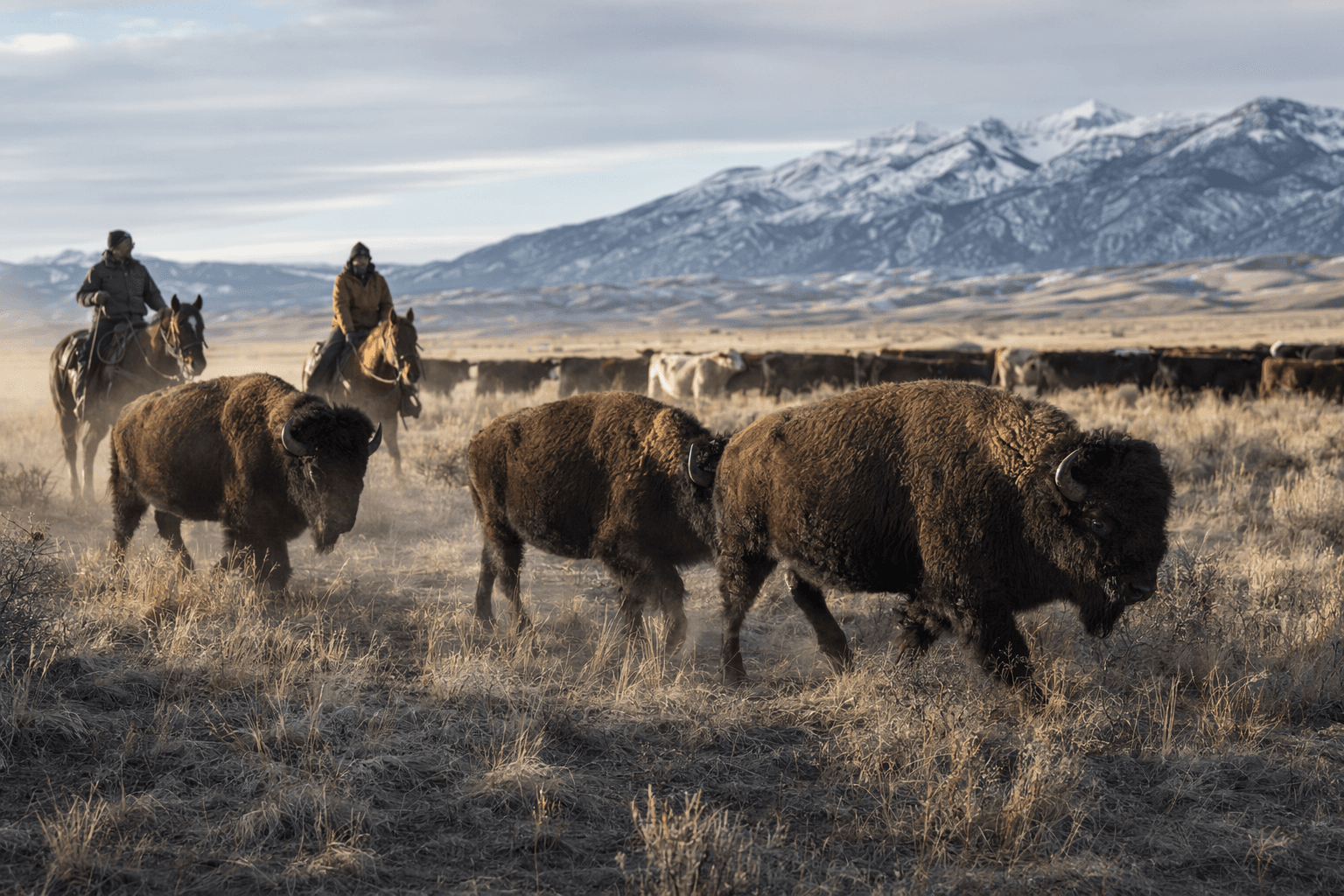
Bison on Montana’s federal grasslands became more than a wildlife question when a half-ton animal named Crazy Alice kept trying to claw her way back to a favorite patch of prairie. Her behavior captured the larger stakes now hanging over Phillips County: land use, sovereignty and who gets to decide the future of the West.
The Trump administration moved to undo a 2022 Bureau of Land Management approval that allowed American Prairie to graze bison on about 63,500 acres across six of seven allotments in Phillips County. In a proposed decision dated Jan. 16, 2026, the Bureau said the Interior secretary had assumed jurisdiction over appeals challenging the earlier approval, setting up a reversal that would reach far beyond one herd and one county.
The dispute reopened a long-running fight between tribes, conservationists and ranchers. American Prairie has argued that the rollback would reverse more than 40 years of BLM practice treating bison as eligible livestock under grazing law, while also undercutting tribal herds, treaty rights, food sovereignty and cultural survival. On the other side, Montana, the North and South Phillips Grazing Districts and the Montana Stockgrowers Association appealed the 2022 decision, reflecting ranchers’ concerns about forage competition, disease risk and the precedent of using public land for large bison herds.
The policy shift marked a sharp break from the Interior Department’s earlier approach. In March 2023, Interior Secretary Deb Haaland signed Secretary’s Order 3410, which made restoration of American bison and prairie grassland an explicit department priority. That same year, the department announced more than $25 million in Inflation Reduction Act funding for bison conservation, including herd establishment, transfers to tribes and co-stewardship agreements. The National Park Service has said the department’s bison strategy rests on shared stewardship with states, tribes and other stakeholders.
The historical weight is hard to overstate. DOI sources say fewer than 500 wild bison remained by 1889, after the species was pushed to the brink during 19th-century settlement. The federal government now says more than 15,000 wild bison live in the United States, a recovery that has made the animal a symbol of ecological repair and Native American cultural revival.
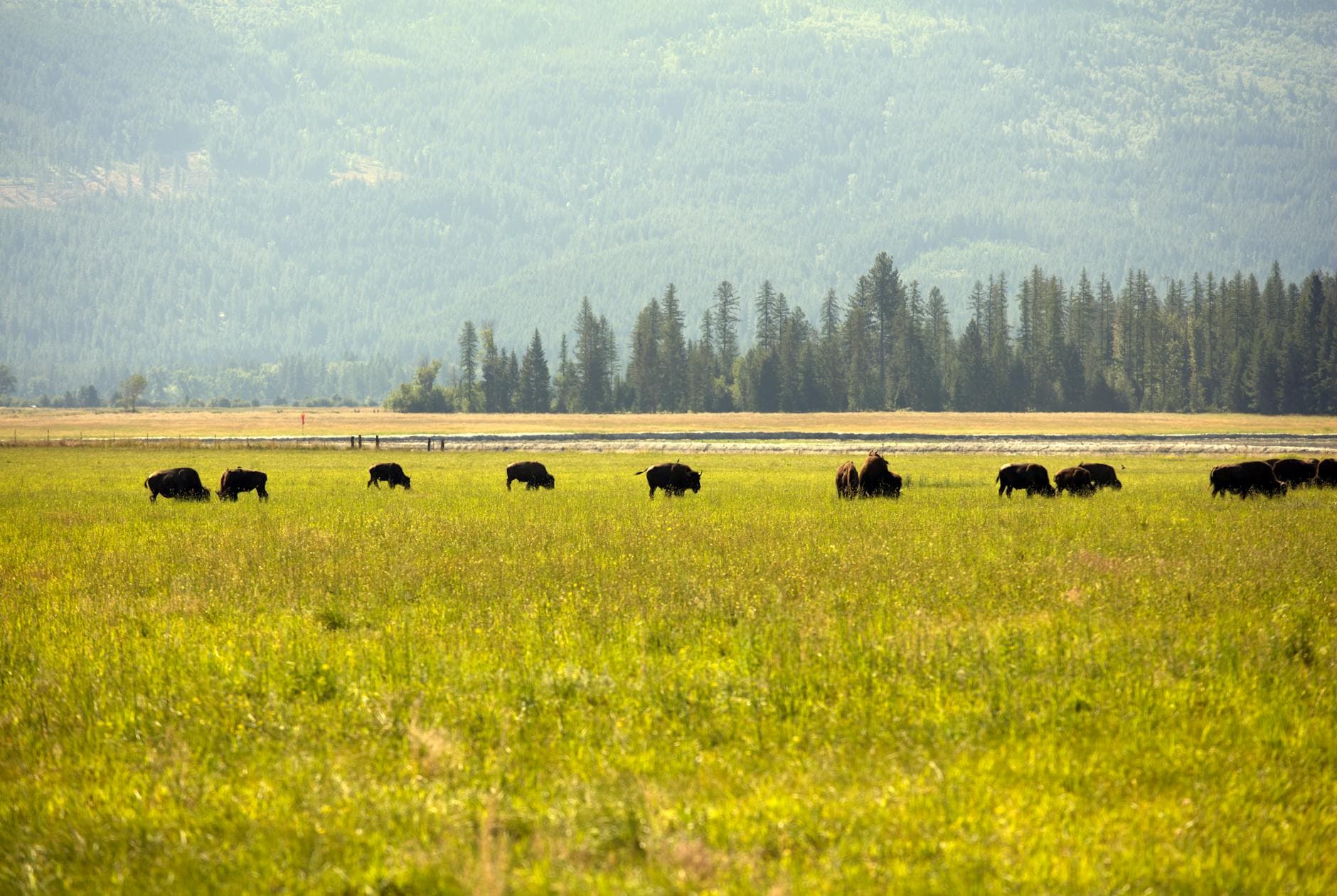
If Interior follows through, the fight in north-central Montana could reshape grazing policy on federal grasslands and test whether bison restoration survives when it collides with the cattle industry and a more traditional public-lands agenda. For tribes, ranchers and federal managers, the outcome will signal who holds the stronger claim to the modern West.
This article was produced by Prism’s automated news system from verified source data, official records, and press releases, then run through automated quality and moderation checks before publishing. The system is built and supervised by the people who set the standards it runs under. Read our full AI policy.
Know something we missed? Have a correction or additional information?
Submit a Tip