Trump administration pays Invenergy $765 million to drop wind leases
The Trump administration agreed to pay Invenergy $765 million to walk away from four offshore wind leases, lifting the cost of buybacks to nearly $2.6 billion.

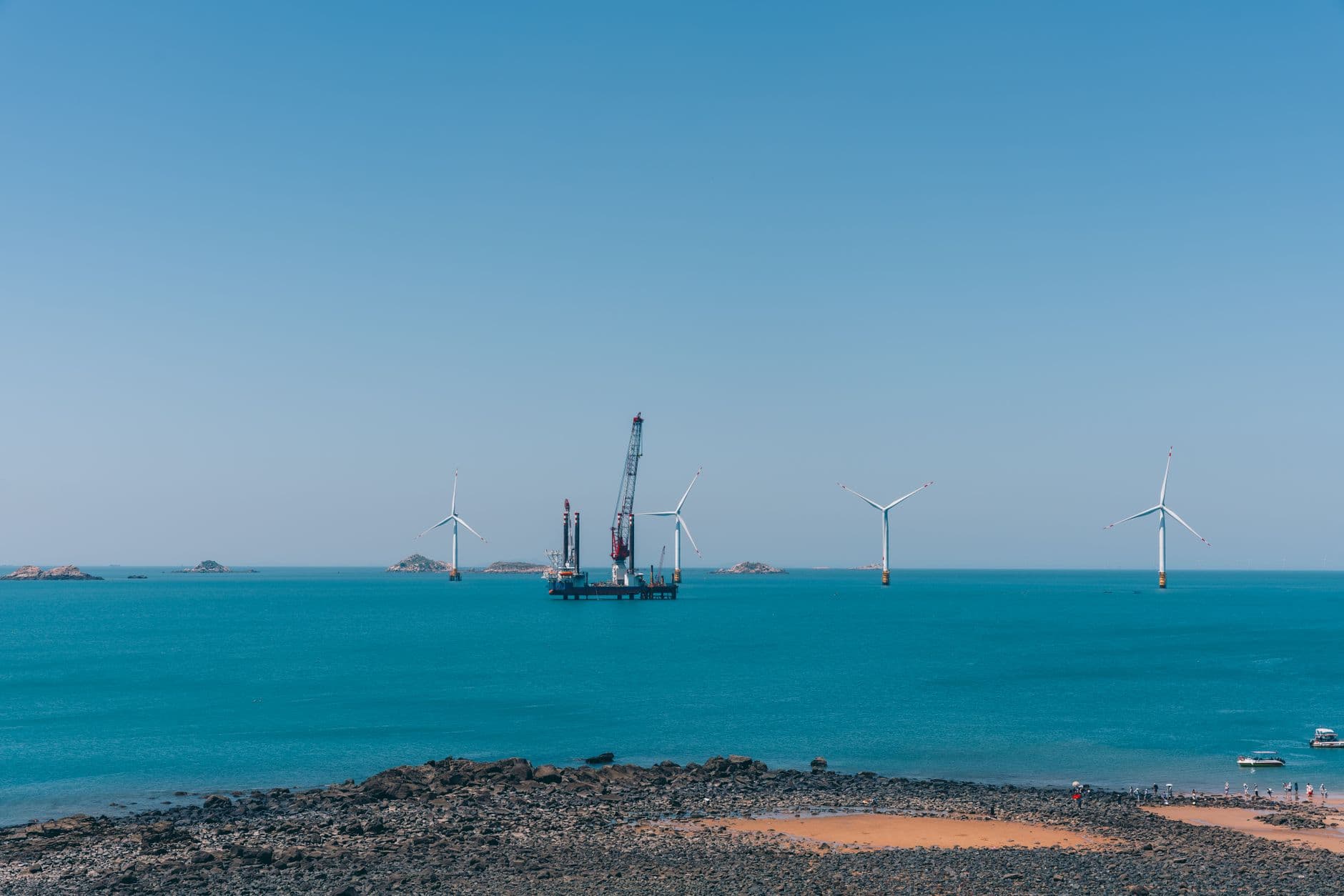
The Trump administration agreed to pay Invenergy $765 million to terminate four offshore wind leases, turning projects off New York, California and Maine into a costly symbol of policy reversal. The deal pushes the administration’s total offshore wind buyouts to nearly $2.6 billion, with taxpayer money now being used to unwind leases that had already cleared the federal auction process.
The agreement covers lease areas in the New York Bight, the Gulf of Maine and off Morro Bay on California’s central coast. Interior said the money will be redirected to natural-gas-fired power plants in Indiana, Wisconsin, Iowa, Kansas and Missouri, along with geothermal projects in the Western United States. The department cast the settlement as part of President Trump’s Energy Dominance Agenda, a framing that makes clear the administration is not just slowing offshore wind permitting but paying developers to exit the field altogether.
Utility Dive said the four Invenergy lease areas represented a potential 4.8 gigawatts of offshore wind capacity. One of the projects, Leading Light Wind off New Jersey, had already been canceled in November 2025 because of economic and regulatory pressures, underscoring how quickly offshore wind plans have been collapsing under shifting federal pressure.
The latest buyback also fits a larger pattern. Earlier this spring, the administration struck separate agreements involving TotalEnergies, Bluepoint Wind and Golden State Wind. By the time of the Invenergy announcement, the number of lease buyouts had reached eight, and the total cost had climbed beyond $2.5 billion. Each transaction shifts the financial burden away from developers and onto the public, while also forcing states and coastal communities to confront abandoned port work, lost construction jobs and delayed power supply plans.

That broader strategy has already drawn legal and political pushback. New York and six other states sued over the TotalEnergies cancellation, arguing that the administration used an unlawful settlement to kill a lease and steer money toward fossil fuels. The states said the move threatened jobs, grid reliability and climate goals. The National Wildlife Federation said the Invenergy buyback further damages progress toward clean, affordable energy and wildlife protections.
Secretary Doug Burgum said the leases had been sold under assumptions that taxpayers would keep subsidizing costly, unreliable projects and said no national-security concerns were involved. Invenergy, which has described itself as North America’s largest privately held developer, owner and operator of independent power infrastructure, said its focus remains on projects that can be delivered within commercially viable timelines as electricity demand rises. For offshore wind, the bill for political whiplash is no longer theoretical.
This article was produced by Prism’s automated news system from verified source data, official records, and press releases, then run through automated quality and moderation checks before publishing. The system is built and supervised by the people who set the standards it runs under. Read our full AI policy.
Did this article answer your question?

