Trump administration plans 15% tariff on polysilicon to curb China
The administration planned a 15% polysilicon tariff and price floors, a move that could aid U.S. makers while raising costs for solar and chip supply chains.
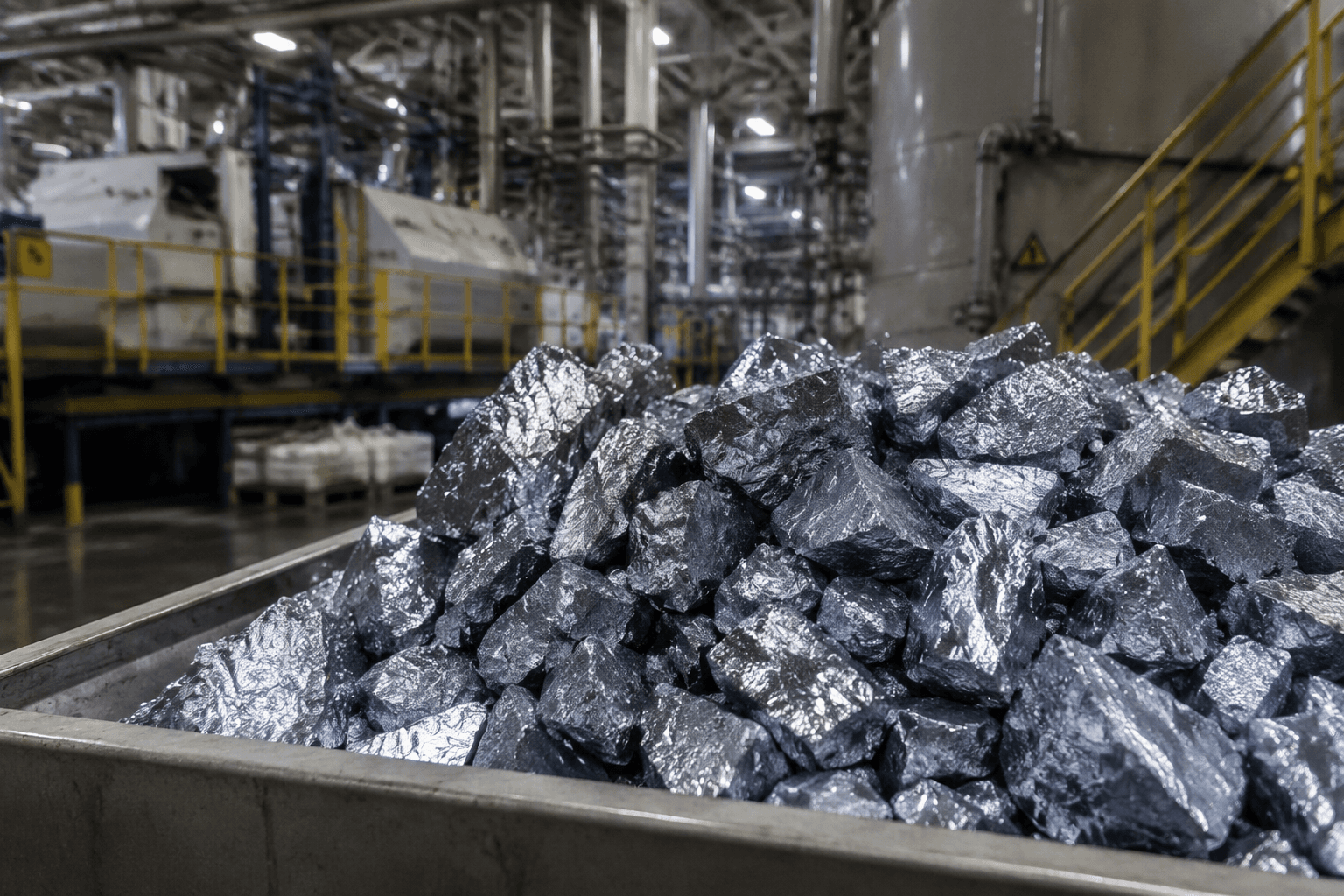
The Trump administration prepared a 15% tariff on polysilicon and a set of price floors on products made from it, with results from a Section 232 investigation into foreign imports of the material expected as soon as Thursday. The move targets a raw material that sits at the center of both solar panel production and semiconductor manufacturing, making it one of the sharpest industrial-policy tests in Washington’s fight with China.
Polysilicon is the purified form of silicon used to make solar cells and many high-tech components, so even modest changes in trade policy can ripple through several industries at once. The plan is intended to blunt China’s dominance in the sector and encourage more domestic production, a goal that has broad support in Washington but carries immediate economic trade-offs. A tariff can help U.S.-based producers compete against cheaper imports, yet it also tends to raise input costs for solar developers, chip suppliers and manufacturers that rely on stable, low-cost supply.
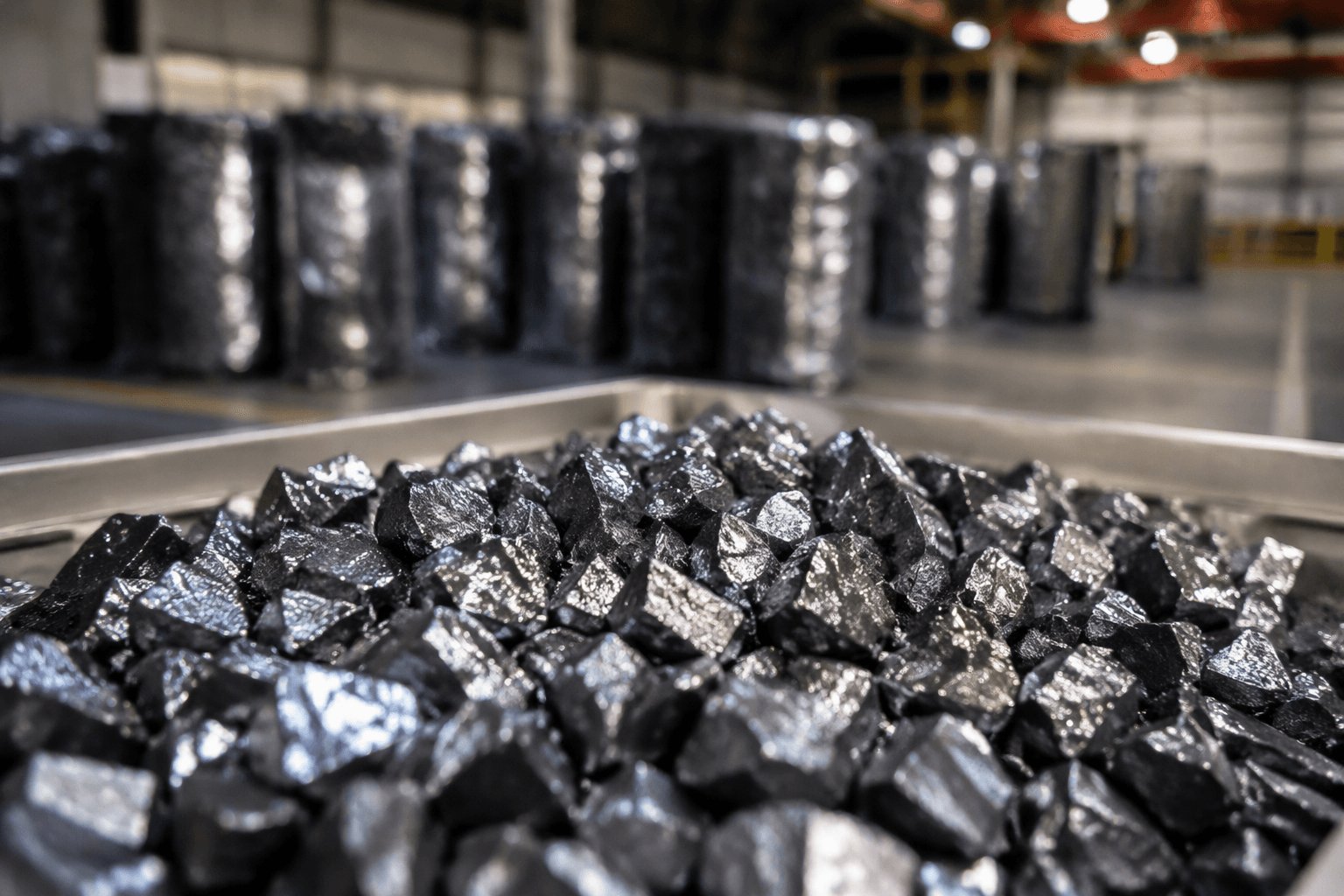
That tension lands directly on the clean-energy buildout. Solar installers and renewable-energy advocates have long argued that tariffs on core inputs can push up equipment costs, lengthen project timelines and make already tight project economics even harder to manage. By contrast, industrial-policy supporters say the United States cannot rebuild durable capacity if it keeps leaning on underpriced foreign supply. The proposed tariff and price-floor combination suggests the administration is considering a more intricate intervention than a simple across-the-board duty.
The policy is also tied to a broader U.S. effort to compete with China on artificial intelligence and energy, placing polysilicon alongside other strategic industrial inputs in a national-security and economic review of imports. That broader frame matters because it turns a commodity fight into a contest over who controls the supply chains behind advanced manufacturing and the energy transition. The administration’s reference point in related imagery was the Qcells North America factory in Cartersville, Georgia, a reminder that the debate is also about which companies will build and scale inside the United States.
The latest step fits a pattern of tighter trade action on solar supply chains. On April 17, 2024, the United States moved to restore tariffs on the dominant solar technology, showing how trade tools have already been used to shape the market. The new polysilicon plan would extend that approach to a material that feeds both solar panels and semiconductors, deepening the conflict between national-security arguments about China dependence and the risk of making domestic solar deployment more expensive.
This article was produced by Prism’s automated news system from verified source data, official records, and press releases, then run through automated quality and moderation checks before publishing. The system is built and supervised by the people who set the standards it runs under. Read our full AI policy.
Did this article answer your question?