Trump administration plans Kenya isolation for Americans exposed to Ebola
Americans exposed to Ebola are slated for isolation in Kenya instead of being flown home. The shift breaks the U.S. repatriation playbook built after the 2014 crisis.
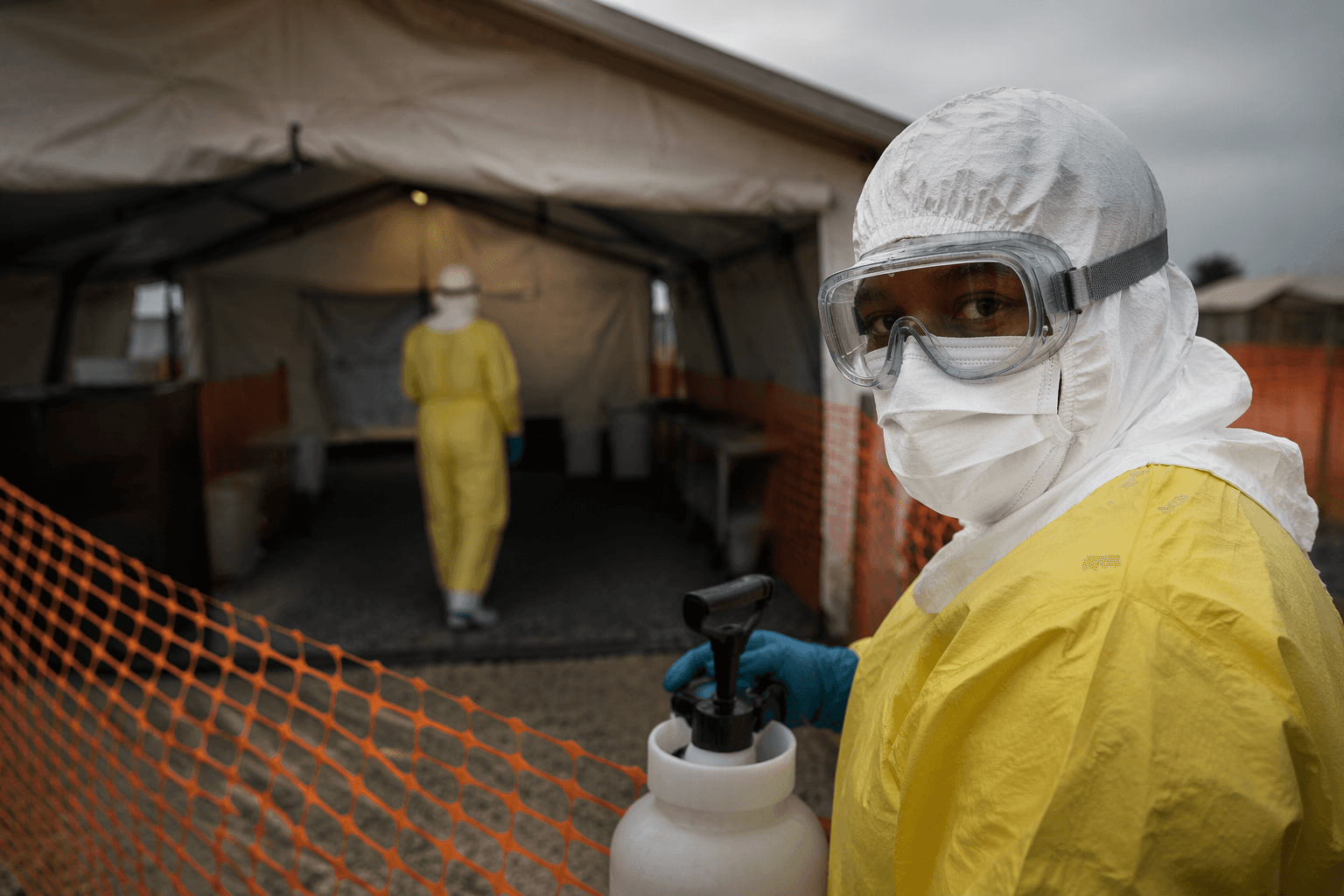
Americans exposed to Ebola during the current outbreak were being steered away from the familiar U.S. quarantine-and-care model and toward a newly constructed isolation facility in Kenya, a sharp break from the long-standing practice of bringing exposed citizens home for monitoring and treatment. The Trump administration has not said it will return at-risk Americans to the United States, even as health officials and former CDC officials warned Congress against the plan.
The stakes are rising with an outbreak the World Health Organization confirmed in May in the Democratic Republic of the Congo and Uganda. WHO identified the strain as Bundibugyo virus disease, a form of Ebola for which there is no vaccine or specific treatment, although candidates are being studied. By May 27, WHO said the DRC had reported 906 suspected cases and 223 suspected deaths; by May 29, the tally reached 134 confirmed cases, including nine in Uganda. The outbreak has spread across a difficult border region and remains severe enough to test every part of the response system.
That system has a long American history. CDC Ebola guidance calls for 21 days of monitoring after the last possible exposure, with daily contact or direct active monitoring for people at higher risk. During the 2014 West Africa crisis, CDC issued active post-arrival monitoring guidance for travelers from Liberia, Sierra Leone and Guinea, and six states, New York, Pennsylvania, Maryland, Virginia, New Jersey and Georgia, began active monitoring immediately, covering about 70 percent of incoming travelers headed there. The agency later said more than 99 percent of incoming travelers were successfully monitored under the system.

The 2014 response also set the template for repatriation. Kent Brantly and Nancy Writebol were transported to Emory University Hospital in Atlanta in early August 2014 after treating Ebola patients in Liberia. Emory’s Serious Communicable Disease Unit had been established in 2002 for CDC employees who became ill while on overseas assignments, and CDC later described its Ebola response as the largest in the agency’s history. That history is why the current Kenya plan is drawing scrutiny: it asks whether the United States is abandoning a tested public-health protocol just as another outbreak threatens to cross borders again.
The State Department said on June 3 that it was coordinating closely with the CDC and partner governments in the Democratic Republic of the Congo and Uganda to protect Americans and prevent the outbreak from reaching the United States. Reuters reported that one American aid doctor who developed symptoms was flown to Germany, and six other Americans were sent to Germany and the Czech Republic for monitoring, underscoring how unsettled the government’s response has become.
This article was produced by Prism’s automated news system from verified source data, official records, and press releases, then run through automated quality and moderation checks before publishing. The system is built and supervised by the people who set the standards it runs under. Read our full AI policy.
Did this article answer your question?