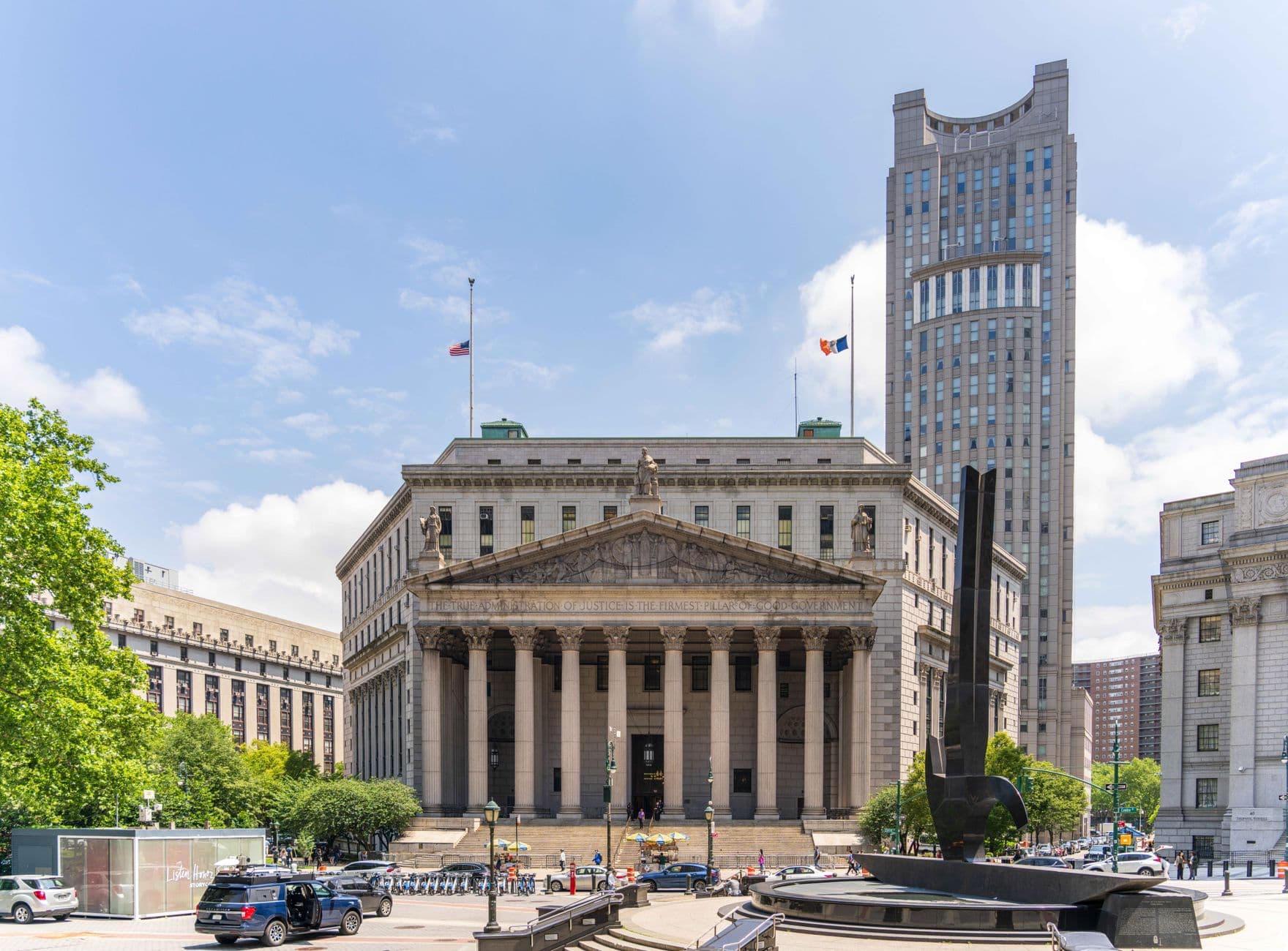
Trump administration tightens asylum rules, sends more migrants to court
USCIS changed asylum processing to cut backlog, but the new rule can move more applicants into deportation court before full interviews, narrowing their chances to stay.
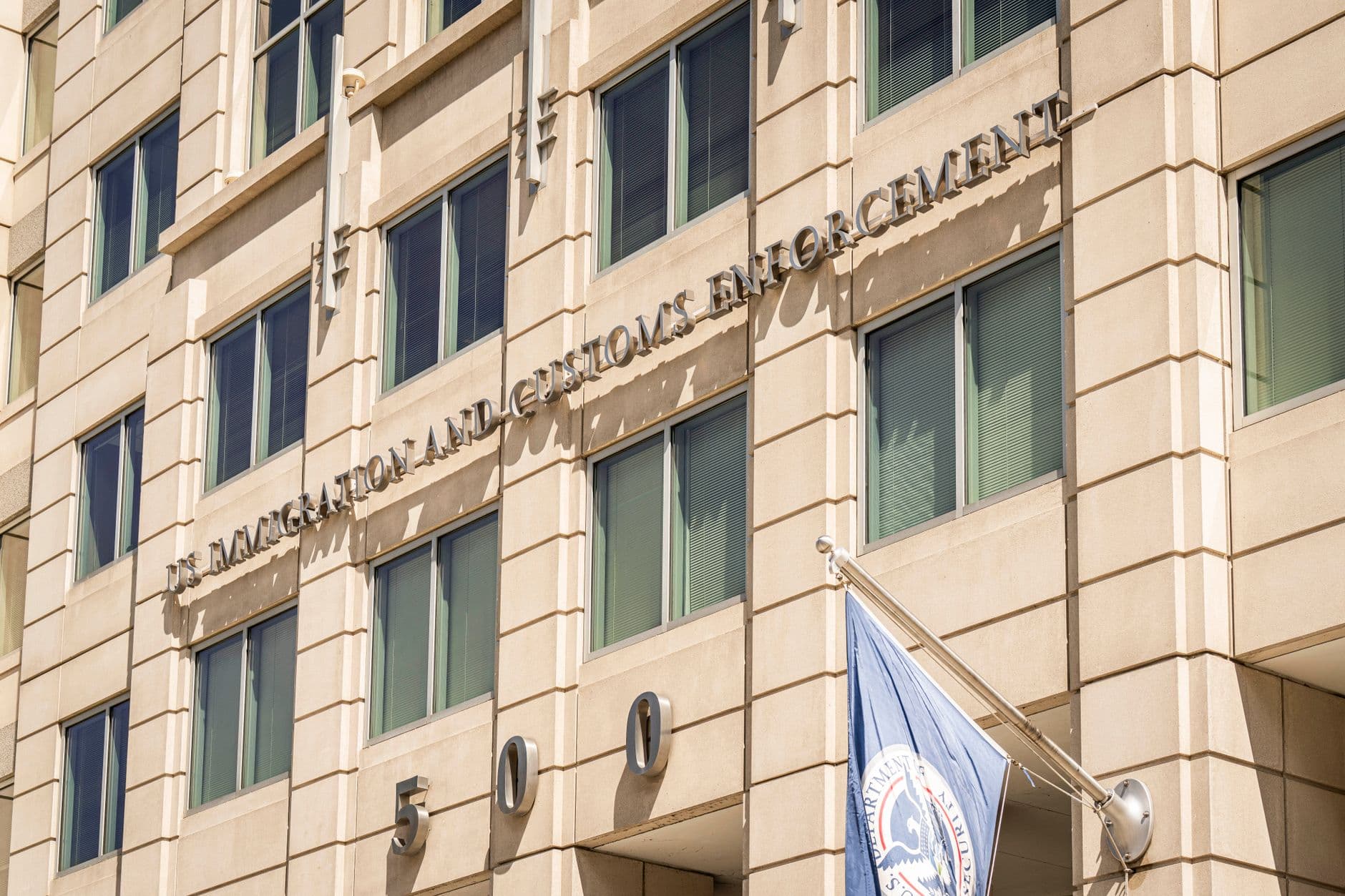
U.S. Citizenship and Immigration Services said it changed asylum rules to reduce backlog, a shift that can send more applicants into deportation court before they get a full first interview. The practical effect is narrower access to the asylum process for people seeking protection in the United States, especially those who would otherwise have remained in USCIS screening while their cases were pending.
Under U.S. law, foreign nationals can apply for asylum, and the system has long split into two tracks. In an affirmative case, a person asks USCIS for protection inside the country; in a defensive case, the claim is raised in immigration court after removal proceedings begin. The new policy appears designed to push more cases quickly into that court system, where migrants have fewer chances to remain in the country while their claims move forward.

A USCIS archive entry says the agency published a final rule on Dec. 28, 2023. More recent reporting in July 2026 said the change could push asylum applicants directly into deportation proceedings, and that USCIS would no longer require initial interviews for all affirmative asylum applicants before some cases are referred onward. That is a major procedural shift: instead of giving more applicants a first-pass review before a decision on where their case belongs, the government can now route some people faster into a removal process with higher stakes and less room for delay.
The pressure point is the immigration courts. The Congressional Research Service updated its review of asylum process and selected trends on Dec. 10, 2025, noting the split between affirmative and defensive asylum and how cases move through USCIS or court. If more applicants are referred directly into court, dockets could grow more crowded, detention facilities could face more strain, and border-processing operations could become even tighter along the U.S. southern border.
Immigration advocates argue that the rule further limits access to protection for people fleeing violence, political persecution, and gang threats in Latin America and elsewhere. ASAP Together said in July 2026 that since 2025 conditions for asylum seekers in immigration court have been rapidly changing and becoming more difficult, and the National Immigration Project said ICE began a new effort on May 30, 2025, to detain noncitizens in immigration court and seek expedited removal orders after motions to dismiss.
USCIS has said similar asylum rulemaking is intended to make the process more efficient and ensure fairness. But federal courts have already blocked or narrowed Trump-era asylum restrictions before, including a 2018 challenge referenced by the Congressional Research Service, setting up another likely round of litigation over how far the administration can go in tightening access to asylum.
This article was produced by Prism’s automated news system from verified source data, official records, and press releases, then run through automated quality and moderation checks before publishing. The system is built and supervised by the people who set the standards it runs under. Read our full AI policy.
Did this article answer your question?