Trump and Iran move toward deal to reopen Strait of Hormuz
Trump said a deal would be signed Sunday, but Tehran warned the clock was slower as both sides kept revising terms on Hormuz, sanctions and Iran's nuclear program.
Donald Trump and Iran moved closer to a bargain over the Strait of Hormuz, but the public signals still pointed in different directions. Washington said both sides had agreed on a text and expected to sign an initial deal in the coming days, while Iran’s foreign ministry said large parts of the draft were settled but no final conclusion had been reached.
The gap matters because the proposal goes well beyond a symbolic statement. Under the framework described by Reuters, the first phase would reopen the Strait of Hormuz, end or ease the U.S. naval blockade on Iranian ports, release billions of dollars in frozen Iranian assets, and waive sanctions on Iranian oil exports. The nuclear issue would be pushed into a 60-day follow-on round of talks, underscoring that the core dispute remained unresolved even as both sides floated progress.
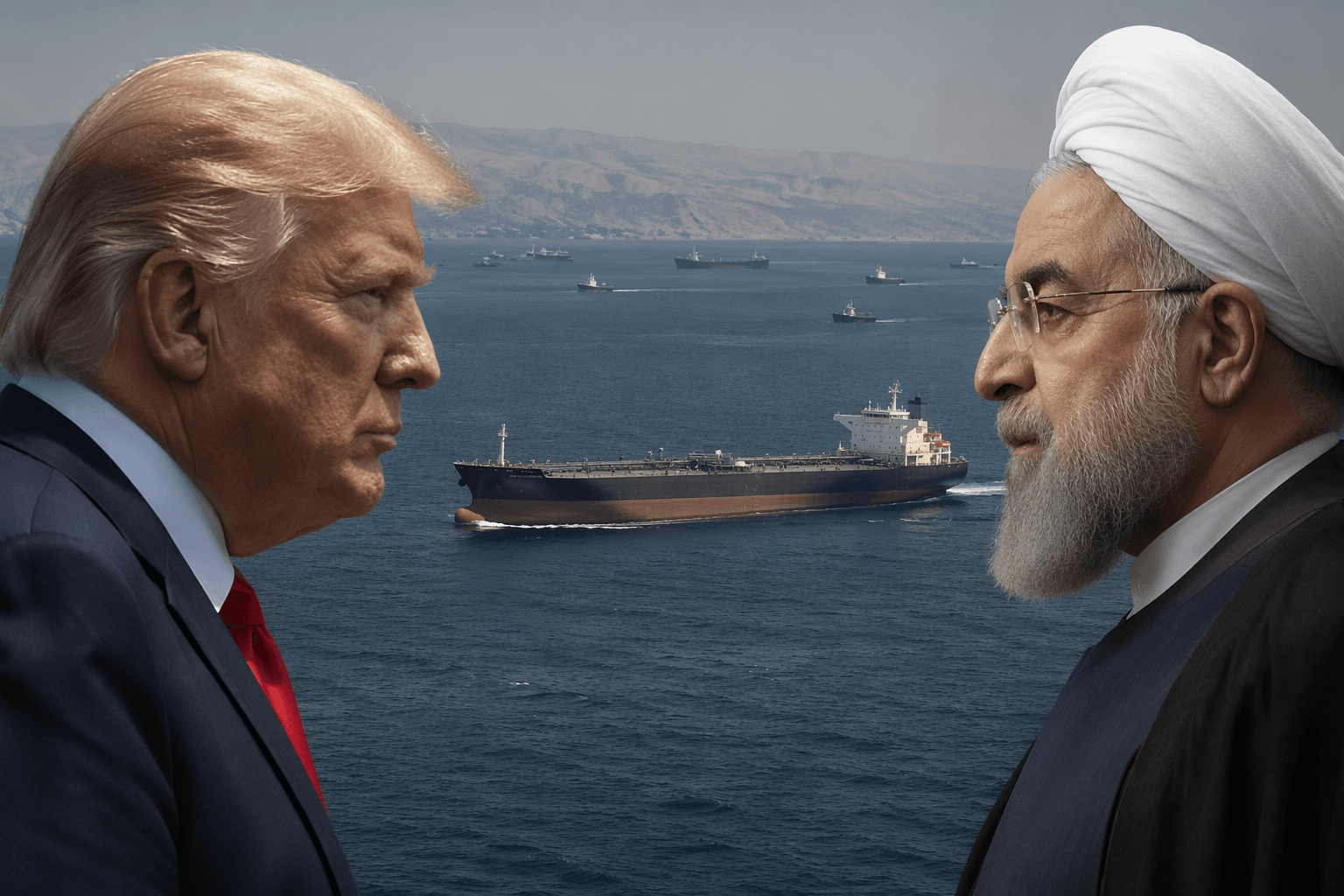
Trump said on Saturday the agreement would be signed on Sunday and that the Strait of Hormuz would be “open to all” afterward. Pakistani Prime Minister Shehbaz Sharif, who has acted as a mediator, said Islamabad was preparing for an electronic signing on Sunday, followed by technical-level talks next week. But Iranian Foreign Minister Abbas Araqchi said Iran had emerged stronger from the conflict and that changes were still possible, while Foreign Ministry spokesperson Esmaeil Baghaei said Tehran had not reached a final conclusion and would not compromise on its red lines.
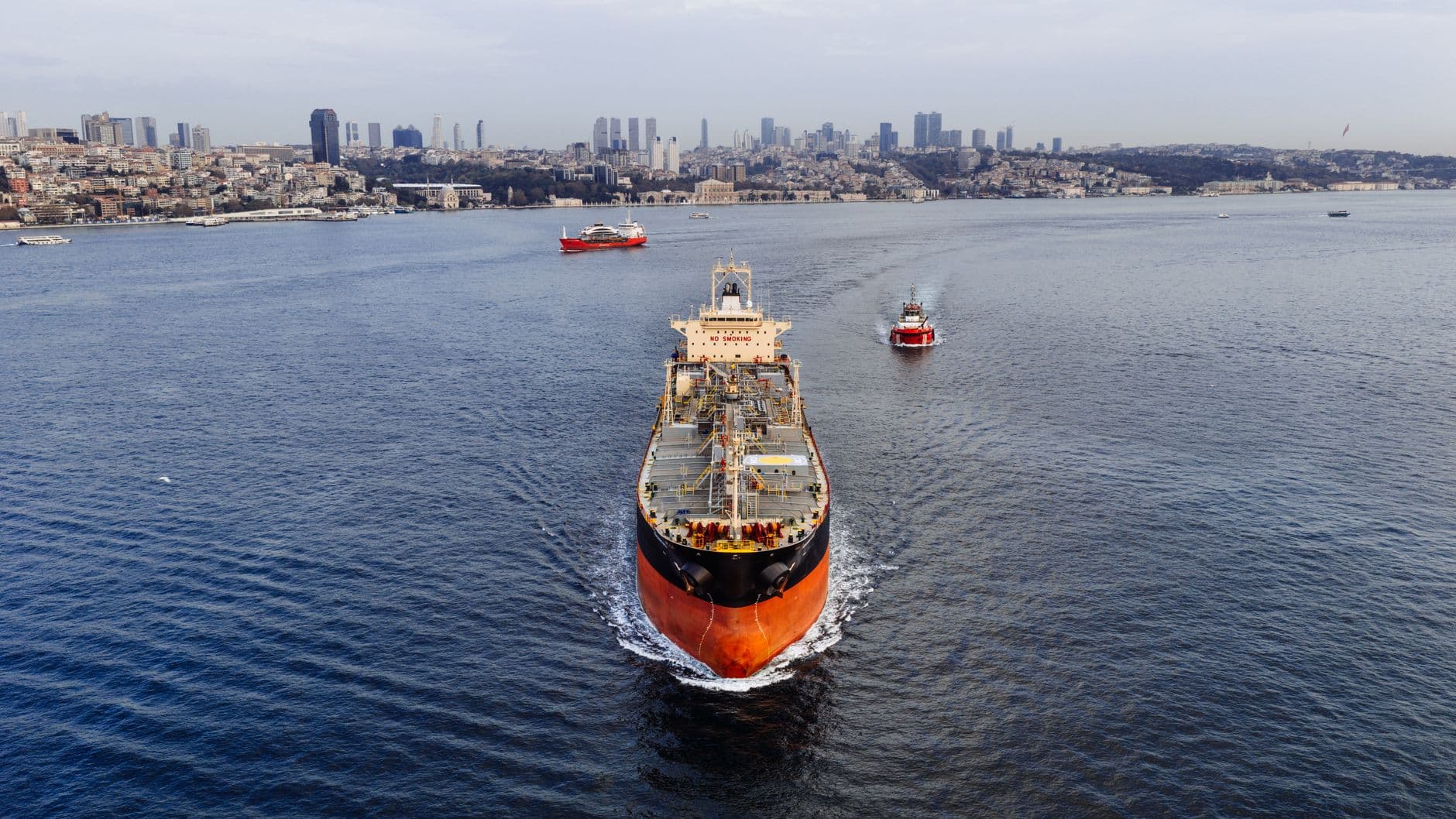
The stakes reach far beyond diplomacy. Reuters said the war has killed thousands, mainly in Iran and Lebanon, and driven global energy prices sharply higher. That reflects the strategic weight of the Strait of Hormuz, which typically carries about one-fifth of the world’s oil and gas supply. Any deal that changes access to that waterway would ripple through shipping, insurance and energy markets almost immediately.
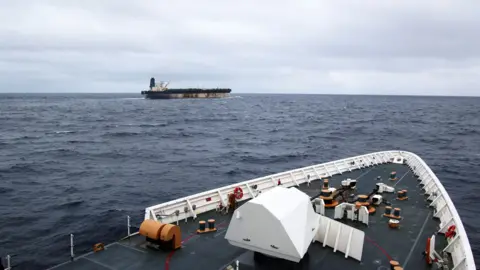
Even as the talks advanced, instability continued around the strait. Iranian news agencies said explosions were heard nearby and that Iranian forces fired warning shots toward vessels. A later Reuters account said U.S. forces shot down multiple Iranian one-way attack drones headed toward the Strait of Hormuz, and U.S. Central Command later said the strait remained open. The message from both capitals was that diplomacy was moving, but the security picture had not yet caught up.
The pattern is familiar. In May, Trump said an agreement with Iran was “largely negotiated” and would be announced shortly. Iranian sources said then that the deal was only a first phase and that broader talks would follow in 30 to 60 days. That history leaves a familiar question hanging over the latest announcements: whether this is the start of a durable settlement, or only another pause before the next dispute.
This article was produced by Prism’s automated news system from verified source data, official records, and press releases, then run through automated quality and moderation checks before publishing. The system is built and supervised by the people who set the standards it runs under. Read our full AI policy.
Know something we missed? Have a correction or additional information?
Submit a Tip