Trump and Xi seek reset in Beijing as tensions simmer over Iran
Trump and Xi met in Beijing as a fragile trade truce faced fresh pressure from the Iran war, with Scott Bessent working last-minute talks in Seoul.

Donald Trump arrived in Beijing seeking a personal reset with Xi Jinping even as Washington and Beijing stayed locked in disputes over Iran, tariffs and the balance of global power. The summit, scheduled for May 14 to 15, came after a year of tariff whiplash and a fragile trade truce, testing whether the two leaders could produce real de-escalation or only a temporary thaw built on personal chemistry.
The meeting marked the first visit to China by a sitting U.S. president since 2017, underscoring how unusual the moment was even before the substance of the talks was weighed. Trump and Xi were expected to cover trade, tariffs, technology restrictions, Taiwan and critical minerals, alongside the U.S.-Israeli war with Iran, which had become impossible for either side to ignore.
Iran sat near the center of the agenda because China is Iran’s biggest oil customer and a key diplomatic backer. Senior U.S. officials previewed the summit on May 10 and said the war would be discussed, while Treasury Secretary Scott Bessent met Chinese Vice Premier He Lifeng in Seoul on May 13 for last-minute talks aimed at keeping the broader summit on track. Reuters described the talks as unfolding amid a fragile trade truce, with Iran adding another layer of strain to an already delicate relationship.
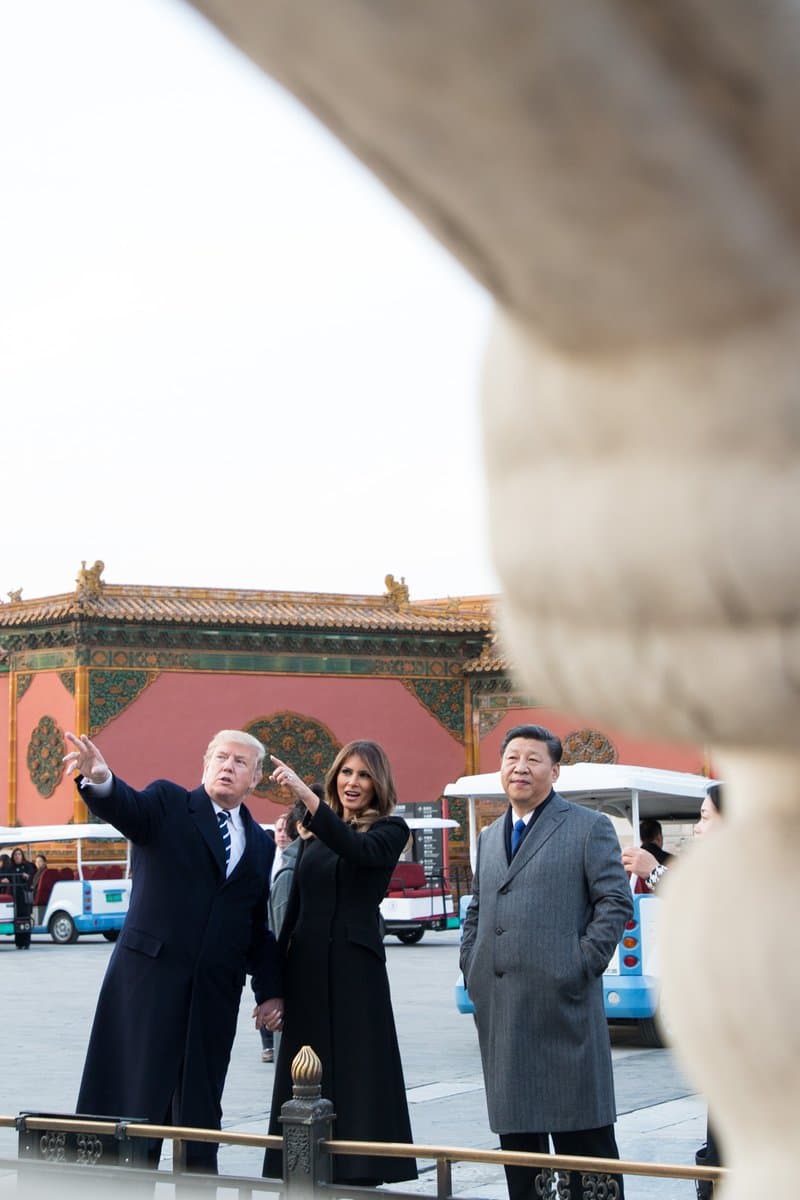
For Washington, the stakes went beyond one war. Analysts said both governments were trying to prevent a broader breakdown while preserving leverage over supply chains, advanced technology exports and energy markets. China’s role as a central buyer of Iranian crude gave Beijing influence, but also exposed it to pressure as the conflict intensified. The summit agenda reflected that tension, with rare earth exports, soybeans and Russia also in play, according to additional reporting on the meetings.
Chinese exporters were hoping the Trump-Xi encounter might help steer the Iran war toward a negotiated end, especially as many firms had already adjusted to U.S. tariff pressure. Xi has publicly framed the relationship as one in which the two countries should be partners rather than rivals, a message aimed at keeping the summit focused on stabilizing ties instead of widening the rift. Whether that language translated into concrete relief on trade, security or Iran would determine if Beijing became a reset or just another pause in a relationship defined by confrontation.
Know something we missed? Have a correction or additional information?
Submit a Tip

