Trump and Xi to discuss AI risks, seek dialogue channel
Trump and Xi are set to talk AI in Beijing, but the real test is whether either side will accept limits on weapons, chips, or crisis channels.
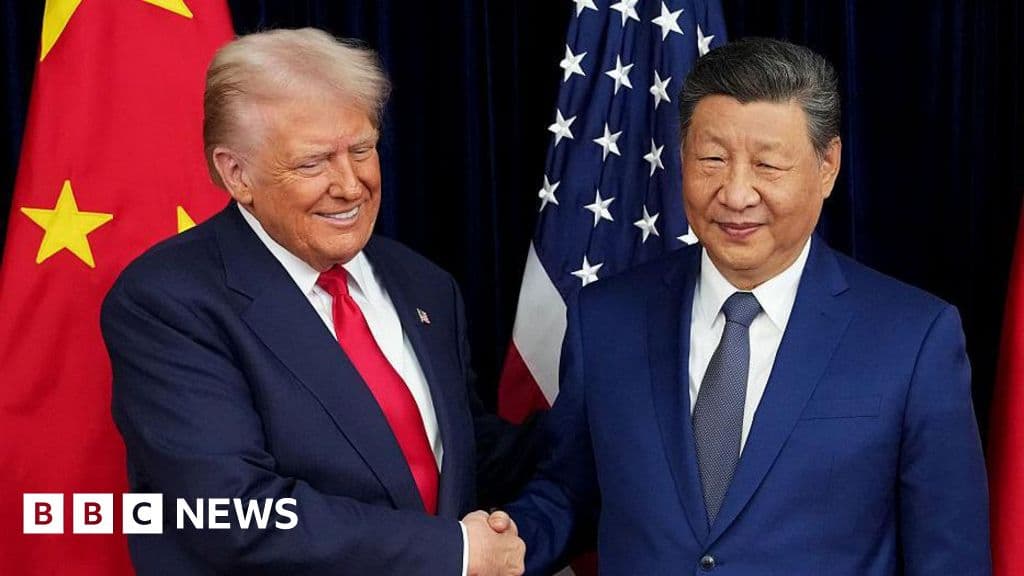
Donald Trump and Xi Jinping are headed into their Beijing summit with artificial intelligence on the table and a strategic catch-22 at the center of the talks: both governments say the risks are serious, but neither wants to be the first to slow down.
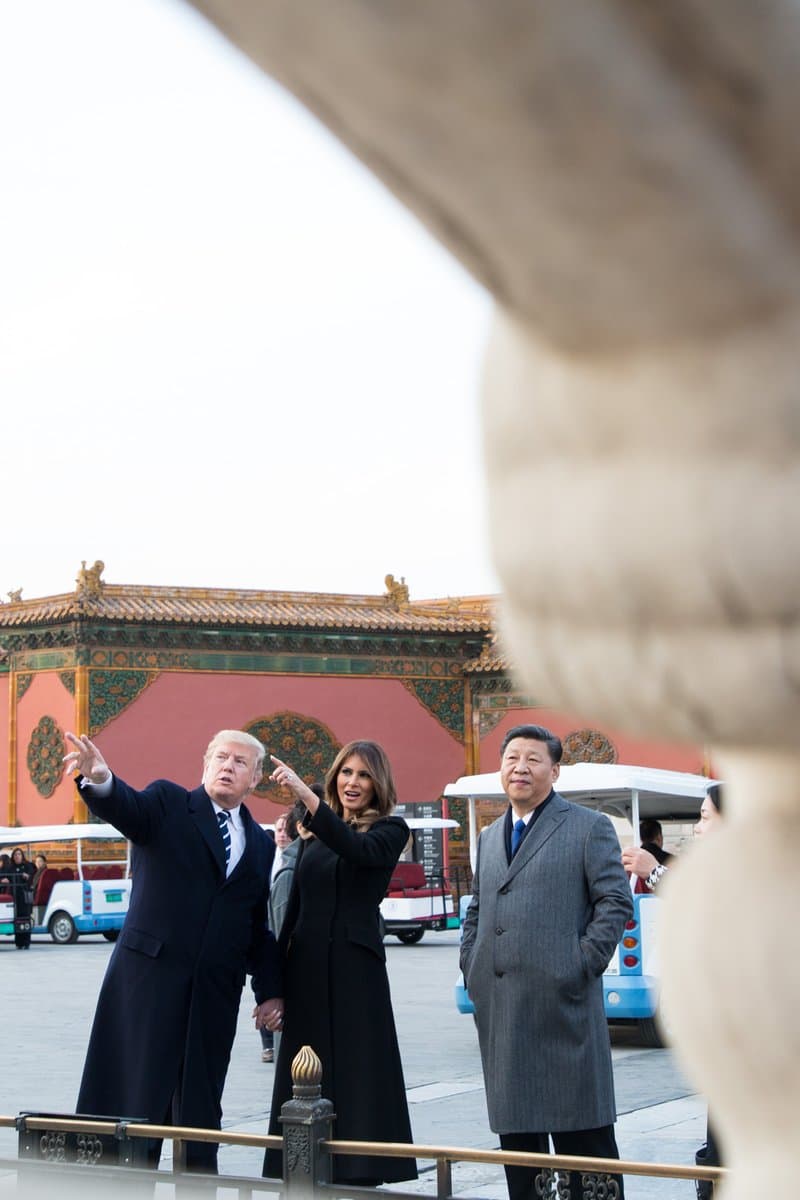
The meeting is scheduled for May 14-15, 2026, and will be Trump’s first trip to China since 2017. It will also be the first visit by a sitting U.S. president to China in nearly a decade, giving the talks unusual weight at a moment when Washington and Beijing are still racing for advantage in advanced models, chips and military applications.
AI is only one piece of a crowded agenda. Trump and Xi are also expected to discuss Iran, Taiwan, nuclear weapons, trade, chip exports and whether to extend a critical minerals deal. That mix matters because the same technologies that power civilian AI systems also underpin defense planning, surveillance, and the semiconductor supply chains that both sides are trying to control.
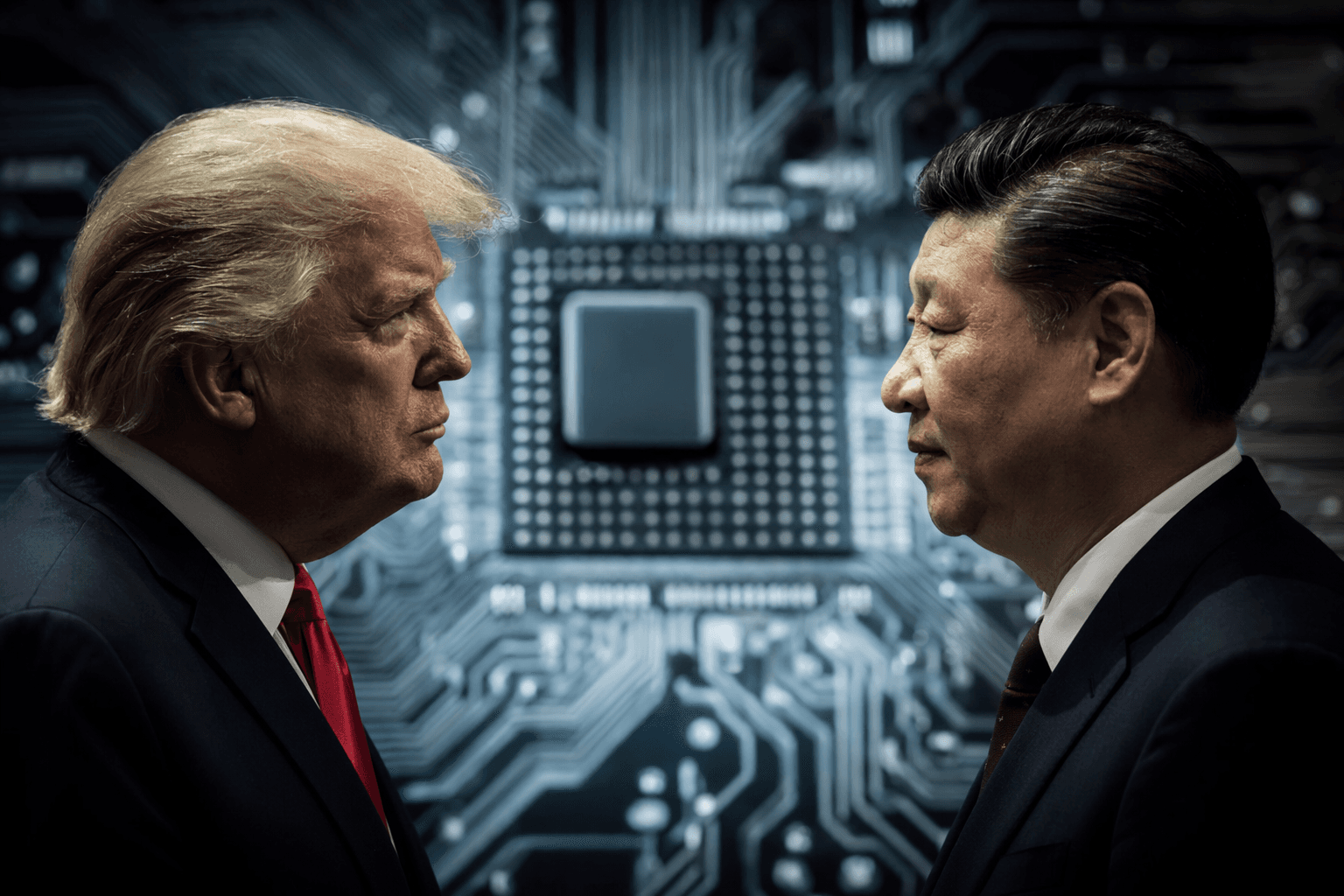
U.S. and Chinese officials have been exploring an official AI dialogue channel, a sign that both governments see at least some value in reducing the chance of accidental escalation. The most plausible openings are narrow ones: deconfliction around autonomous weapons, basic crisis communication, cybersecurity, and warnings about misuse by nonstate actors. Those are the kinds of guardrails that could lower risk without forcing either side to give up a commercial or military edge.
The political obstacle is obvious. The White House has shifted from a mostly pro-innovation, compete-with-China stance toward deeper concern about AI safety risks. Chinese officials and state-linked experts have argued that some form of AI cooperation, or even a global treaty on military AI, could help prevent an arms race. But analysts warn that Beijing may view safety talks as a way to gain access to technology, while Washington may prefer coordination over anything that looks like real cooperation.
That tension defines the summit. Brookings describes the United States and China as the world’s two AI superpowers, and that makes the stakes higher than a standard regulatory exchange. Trump and Xi can probably agree that AI mishaps would be dangerous. The harder question is whether they can build a channel that does more than signal concern, while the competition over chips, frontier models and military advantage keeps accelerating.
This article was produced by Prism’s automated news system from verified source data, official records, and press releases, then run through automated quality and moderation checks before publishing. The system is built and supervised by the people who set the standards it runs under. Read our full AI policy.
Did this article answer your question?