Trump Asks Netanyahu to Scale Back Lebanon Strikes, Citing Iran Peace Talks
Trump privately asked Netanyahu to 'low-key' Lebanon strikes to protect Iran talks, but Israeli forces kept striking as the six-week ceasefire enters its most fragile stretch.
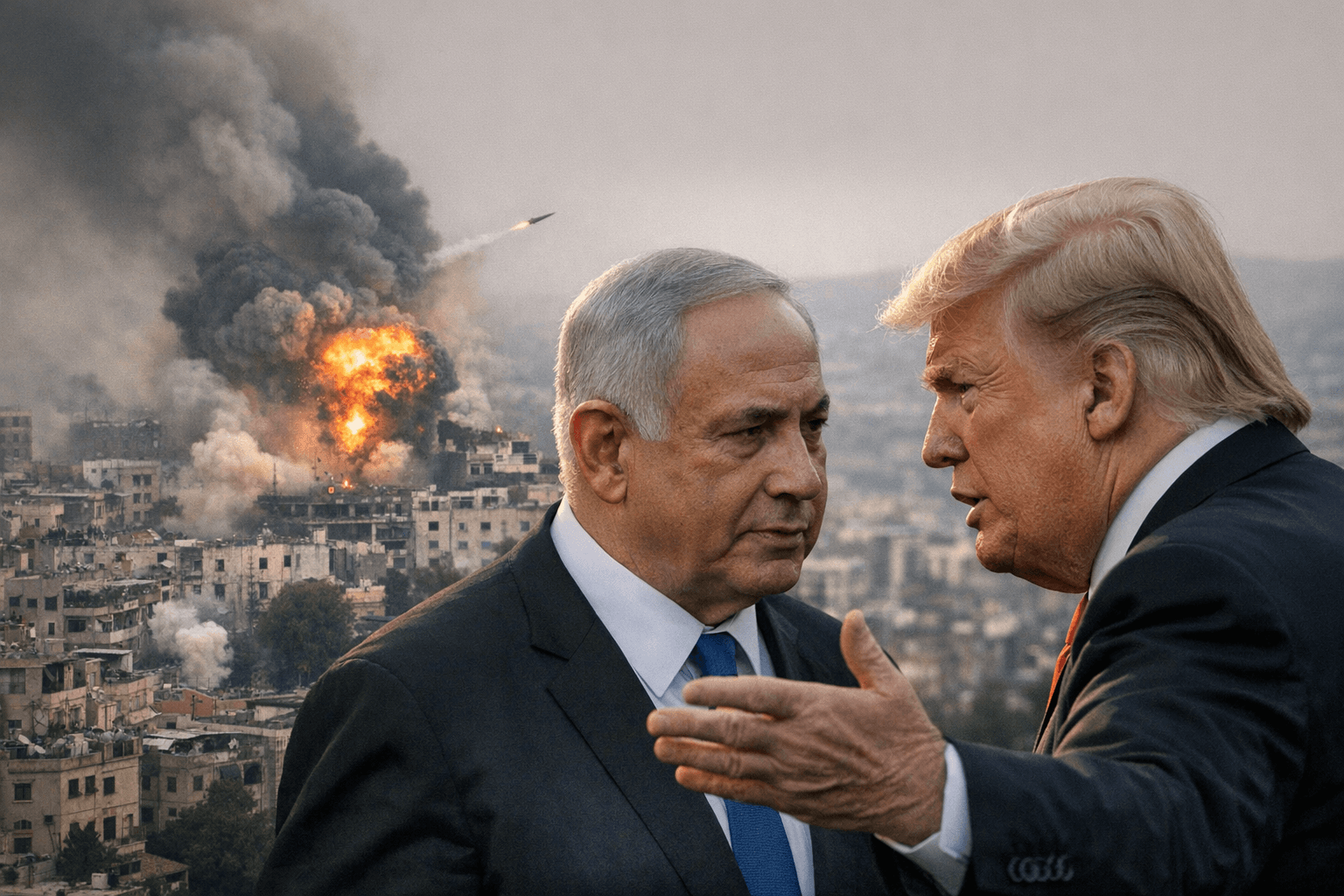
The phone call Wednesday evening came hours after Netanyahu publicly vowed to press on in Lebanon. Trump personally asked the Israeli prime minister to scale back military strikes, telling NBC News that Netanyahu had agreed to "low-key" the situation going forward, a private commitment that Israeli forces appeared to contradict within hours.
Two senior Trump administration officials confirmed the call. The pressure from Washington reflected acute concern over a fragile U.S.-Iran ceasefire, now roughly six weeks old, that Iran has threatened to abandon entirely if Israeli strikes in Lebanon continue at their current scale. Iranian officials warned that continued massive Israeli operations rendered peace talks "meaningless."
The backdrop is a high-stakes diplomatic push: Vice President JD Vance was preparing to lead a delegation to Pakistan for negotiations aimed at cementing a broader peace agreement with Tehran. Trump, speaking by phone with NBC News, said he was "very optimistic" a deal with Iran was within reach. Senior U.S. officials said he urged Netanyahu specifically to avoid jeopardizing those talks.
That optimism ran up against ground realities. Israeli strikes on Wednesday killed at least 254 people in Lebanon, according to Lebanese Civil Defense. Netanyahu's Chief Foreign Policy Adviser Ophir Falk appeared on NBC's "Meet the Press NOW" and insisted that Trump and Netanyahu remained in "complete agreement," defended ongoing operations on the grounds that Hezbollah uses civilians as human shields, and described a recent Beirut strike as the largest Israeli operation against Hezbollah leadership since the 2024 pager attacks. Israel also rejected French-brokered ceasefire talks with Lebanon, accusing Beirut of failing to prevent Hezbollah attacks. The World Health Organization separately called on Israel to reverse an evacuation order covering the Jnah area of Beirut, which includes two major hospitals. Netanyahu's adviser said Israel would "take that into consideration."
Then, shortly after Trump's call became public, the calculus shifted. Netanyahu announced Israel would open direct negotiations with Lebanon. "The negotiations will focus on disarming Hezbollah and establishing peaceful relations between Israel and Lebanon," Netanyahu said, adding that Israel "appreciates the Lebanese prime minister's call today to demilitarize Beirut." The talks would begin "as soon as possible," but Israel rejected a ceasefire as any precondition.
The sequencing matters. Netanyahu had rebuffed French-brokered talks before the Trump call. His pivot toward direct negotiations arrived after Washington's request became known. Whether that pivot reflects genuine deference or tactical recalibration is the central question the ceasefire's next weeks will answer.
For Congress, approaching another round of military aid debates, Trump's visible effort to restrain Netanyahu introduces a new variable. If Israeli strike tempo holds despite the "low-key" assurance, the gap between private diplomatic commitments and battlefield conduct becomes the defining argument on both sides of the funding fight.
This article was produced by Prism’s automated news system from verified source data, official records, and press releases, then run through automated quality and moderation checks before publishing. The system is built and supervised by the people who set the standards it runs under. Read our full AI policy.
Did this article answer your question?