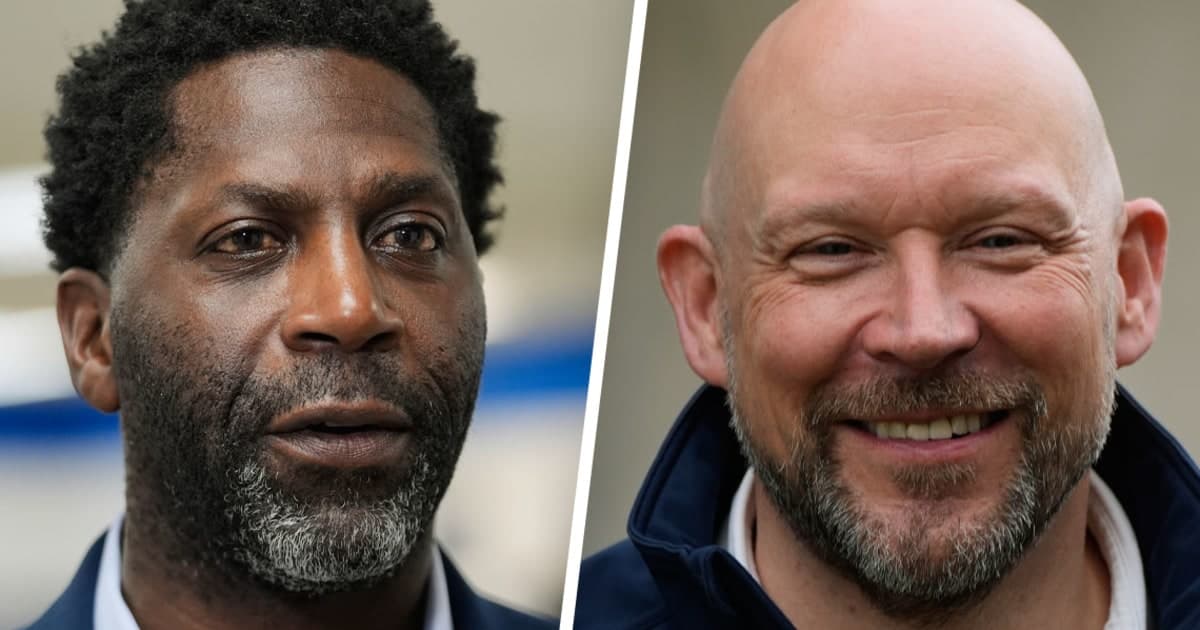
Trump-backed redistricting push backfires in Indiana Senate primaries
Trump’s bid to punish Indiana Republicans over redistricting cost millions, sparked threats, and still drove most of his challengers to victory.
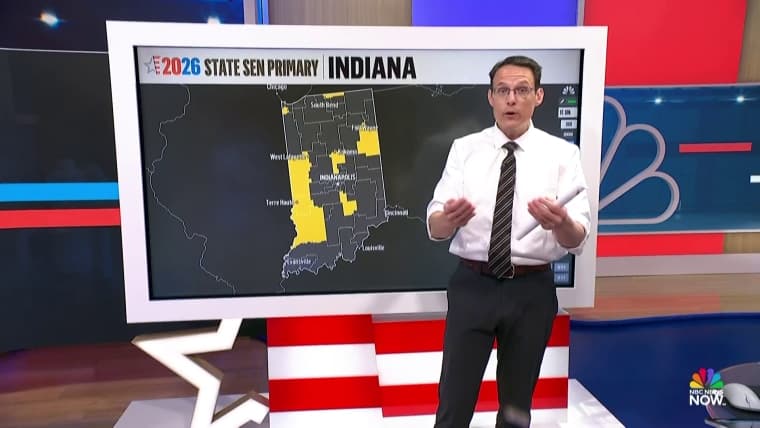
Donald Trump turned an obscure Indiana Senate fight into a statewide loyalty test, and most of the Republicans who defied him lost their seats anyway. In the May 5 primaries, the president’s backed challengers won a majority of the contests against senators who had rejected his push for a new congressional map, showing that his grip on the party remained strong even as the backlash exposed the limits of his power.
The clash began on Dec. 11, 2025, when the Indiana Senate voted 31-19 against a Trump-backed redistricting plan that would have erased the state’s two Democratic-held U.S. House seats and left Republicans with a 9-0 delegation. Republicans already hold seven of Indiana’s nine congressional districts, including the seats held by Frank Mrvan in the 1st District and André Carson in the 7th. Twenty-one Republican senators voted against the map, and eight of them were running for reelection this year.
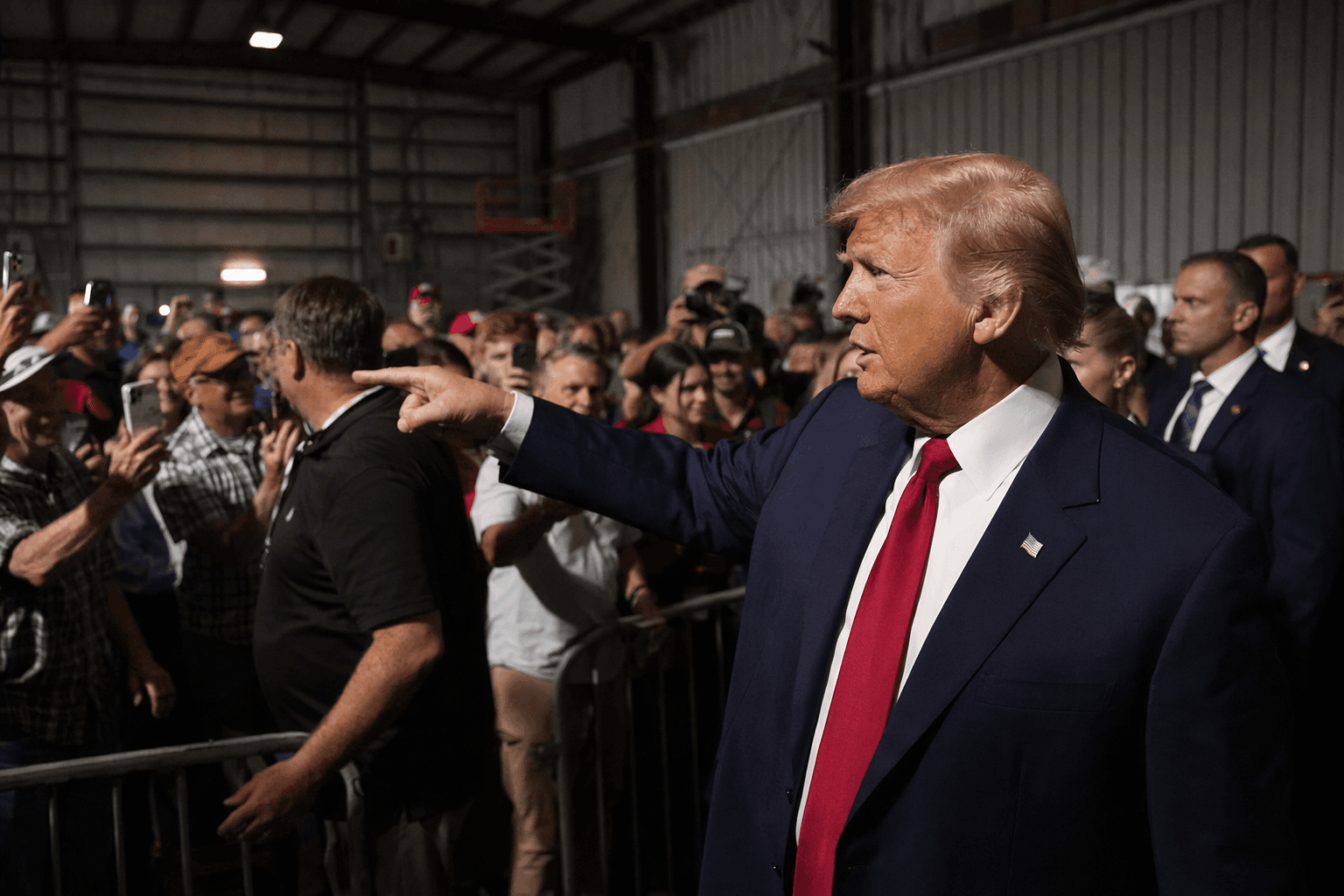
Trump responded with a pressure campaign that reached far beyond Indianapolis. He endorsed challengers against seven of the anti-redistricting senators, while allies including Gov. Mike Braun, Sen. Jim Banks, Turning Point Action and other pro-Trump groups flooded the races with money and attention. Roughly $12 million was spent on advertising across the seven contests, an extraordinary sum for state legislative primaries. The campaigns also featured private meetings, public shaming, vice-presidential visits, whip calls from Speaker Mike Johnson and reported threats to withhold federal funds.
The dispute sharpened a question Indiana lawmakers had already posed in the Statehouse: whether Republicans would “fight” or “get trampled” by the other side. That argument spilled into the primaries, where local races in places such as Kokomo, West Lafayette, Terre Haute and Marion County became proxies for Trump’s control over the party’s state-level machinery.
The cost was not only political. At least 11 Indiana Republicans were targeted with swatting, bomb or pipe-bomb threats during the redistricting fight, a sign of how quickly a procedural map dispute turned into a climate of intimidation and misinformation. Lawmakers described a surge of social-media abuse and threats that made the intraparty confrontation feel closer to a security crisis than a routine election.
The result underscored a broader national fight over mid-decade redistricting ahead of the 2026 midterms. Indiana was one of several states pulled into the battle, and the Senate’s rejection of the map stood as one of Trump’s first significant political defeats of his second term. But the primary outcomes showed something else too: in a deep-red state, Trump could still punish dissent, even if the process left his party more bruised, more expensive and more divided than before.
Know something we missed? Have a correction or additional information?
Submit a Tip