Trump blasts judge blocking White House ballroom, touts security features
Trump attacked the judge who blocked his ballroom plan while touting bunker and anti-drone features, turning a legal fight into a test of executive power.

Donald Trump turned the White House ballroom fight into a test of executive power on social media, attacking the judge who halted the project and posting images meant to underscore its security features.
The dispute centers on Trump’s privately funded ballroom, which CBS News reported was planned as a 90,000-square-foot addition to replace the East Wing at an estimated cost of $400 million. Trump announced the ballroom last summer, and by September the East Wing had been torn down. The National Park Service said construction could wrap up by mid-2028, underscoring how quickly a project once described as an addition had become a full-scale reconstruction of part of the Executive Residence.
U.S. District Judge Richard Leon first temporarily blocked the project on March 31, 2026, finding the National Trust for Historic Preservation was likely to succeed in arguing that no statute gave the president the authority he claimed without congressional approval. Leon later clarified on April 16 that above-ground construction had to stop, while underground work tied to security could continue so long as it did not lock in the ballroom’s size and scale. The administration has said the project includes critical national-security features, including a bunker, a medical facility and protection against threats such as drones, ballistic missiles, bullets and biohazards.
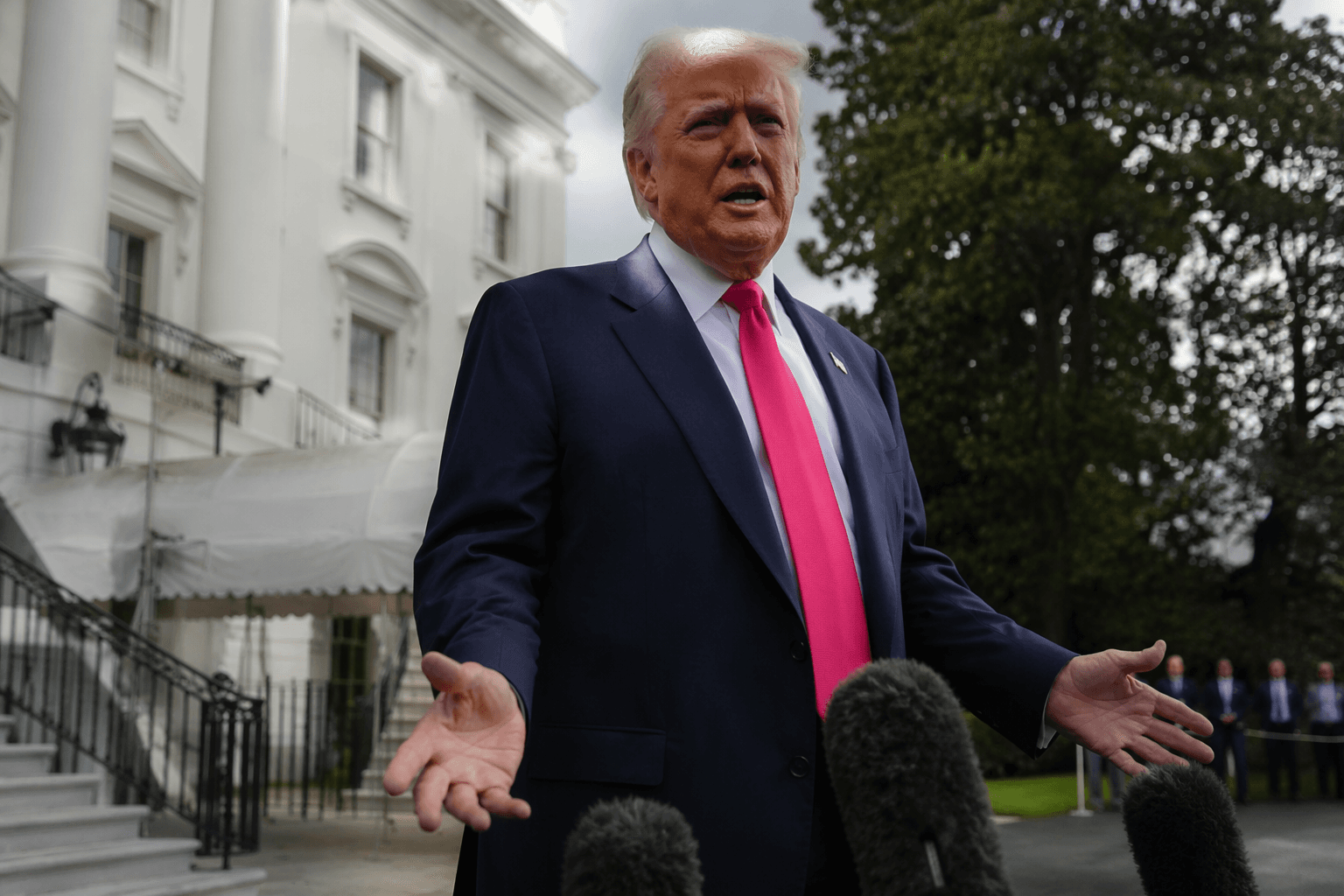
Trump responded on Truth Social by calling Leon “highly political” and accusing him of illegal overreach. The National Trust for Historic Preservation, led by Carol Quillen, said the ruling was a win for the American people and that construction should not continue until the administration obtained express authorization. The legal question has widened beyond aesthetics and preservation into a sharper clash over who controls major changes to the White House complex, and under what authority those changes can proceed.
Permitting has complicated the path as well. The National Capital Planning Commission approved Trump’s ballroom design on April 2, 2026, with a slightly modified version that removed the criticized “stairs to nowhere” on the South Portico. Even so, the project stayed mired in legal and preservation challenges. Federal appeals judges later sent the case back for clarification on how a pause could affect national-security plans, and a three-judge D.C. Circuit panel briefly extended the stay while the administration sought Supreme Court review.

The fight intensified again on May 28, when roughly 150 Democratic lawmakers filed a brief arguing the project could not continue without Congress’s consent. Their filing said routine maintenance authority could not justify a demolition and rebuild of the White House complex, putting the ballroom at the center of a broader institutional showdown over presidential ambition, historic preservation and the limits of unilateral control.
This article was produced by Prism’s automated news system from verified source data, official records, and press releases, then run through automated quality and moderation checks before publishing. The system is built and supervised by the people who set the standards it runs under. Read our full AI policy.
Did this article answer your question?

