Trump Claims He Saved Eight Iranian Women, Tehran Calls It Falsehood
Trump said he stopped Iran from executing eight women, but Tehran said the story was fabricated and only one detainee had a confirmed death sentence.
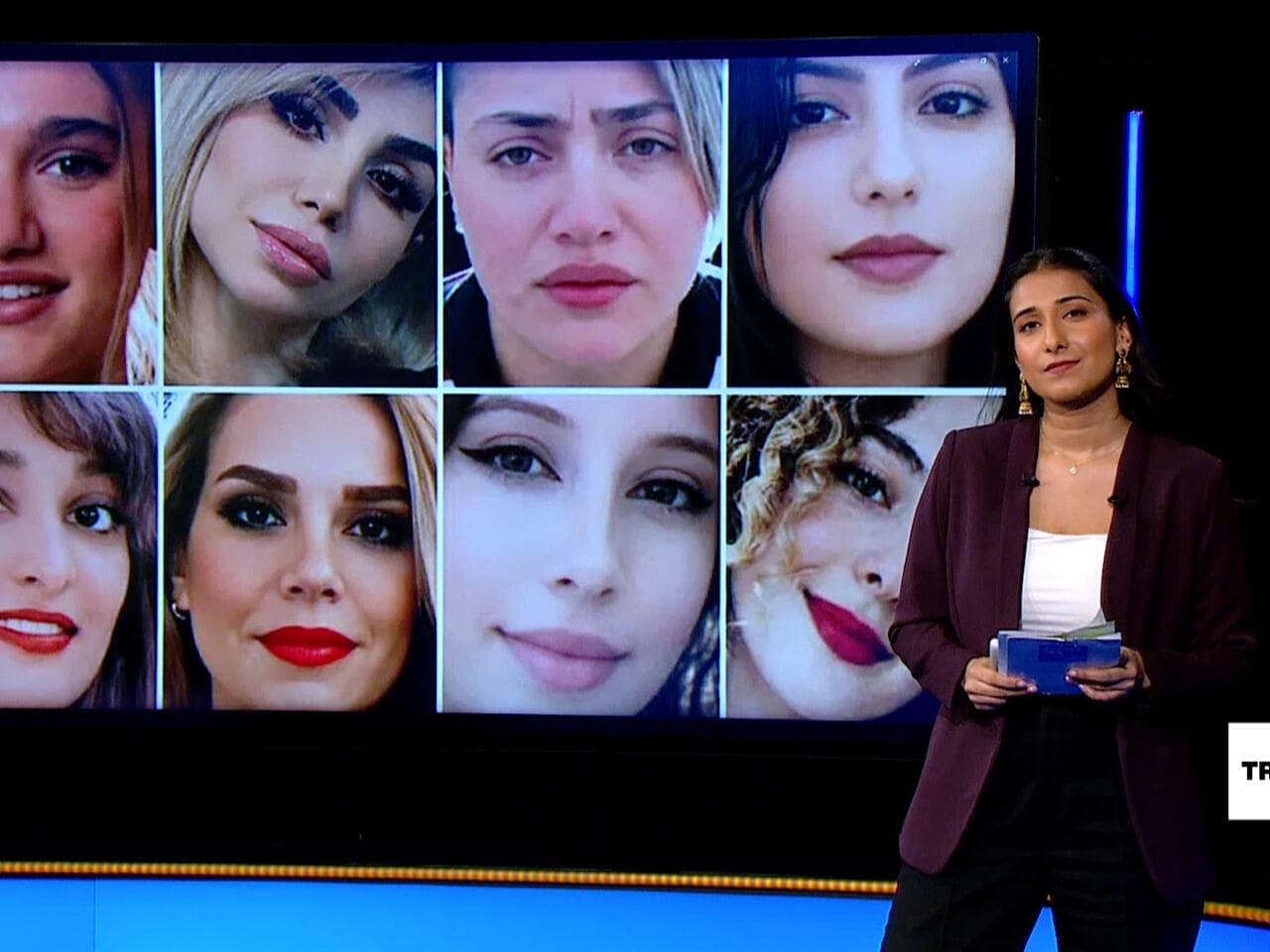
Donald Trump turned eight Iranian women into a test of presidential influence after posting on Truth Social on April 21 and 22, 2026, urging Iranian leaders to “do them no harm” and then claiming Tehran had agreed not to execute them. He later said four would be released immediately and four would receive one-month prison sentences.
Iran’s judiciary-linked Mizan news agency rejected the account, calling it a fabrication and saying Trump was trying to save face. The White House and Iran’s Foreign Ministry did not immediately comment, leaving the claim to stand against a system in which death penalty cases are difficult to verify publicly.
The women at the center of the dispute were real detainees, but the legal picture was narrower than Trump’s account suggested. Iran Human Rights confirmed that the eight were arrested in early 2026. Among those identified were Bita Hemmati, Gazal Ghalandari, Golnaz Naraghi, Venus Hossein Nejad, Ensieh Nejati and Mahboubeh Shabani, with arrests tied to protests in December and January. The strongest confirmed detail in the record was that only Bita Hemmati had a verified death sentence, while two others could potentially face the same punishment. Mizan said some of the women had already been released and that other charges could lead to prison terms rather than execution.
The broader backdrop is Iran’s heavy use of capital punishment. Amnesty International said Iran recorded the highest number of executions since 1989. Iran Human Rights said at least 1,639 executions were recorded in 2025, including at least 48 women, the highest total it had logged for women in more than two decades. In the first two months of 2026, the group said at least 141 people were executed, including four women.
That pattern has made the government’s handling of protest cases a continuing issue for rights groups. Amnesty and Iran Human Rights say Iranian authorities have used executions disproportionately against minorities and political opponents. They also say women’s rights defenders and protesters have faced arbitrary arrest, flogging and death sentences since the 2022 Woman, Life, Freedom uprising.
Trump’s intervention came amid wider tension with Tehran, including his unilateral ceasefire declaration in the U.S. and Israel war and his criticism of Iran’s refusal to reopen the Strait of Hormuz. The public record so far shows a claim of intervention, a formal denial from Tehran, and no verifiable evidence that Trump’s posts changed the women’s legal outcome.
This article was produced by Prism’s automated news system from verified source data, official records, and press releases, then run through automated quality and moderation checks before publishing. The system is built and supervised by the people who set the standards it runs under. Read our full AI policy.
Did this article answer your question?