Trump claims U.S. controls Strait of Hormuz, Iran rejects talks
Trump said the U.S. "controls" Hormuz and Iran's forces were "wiped out," while Tehran said it has "no trust" in Washington and sees no military solution.
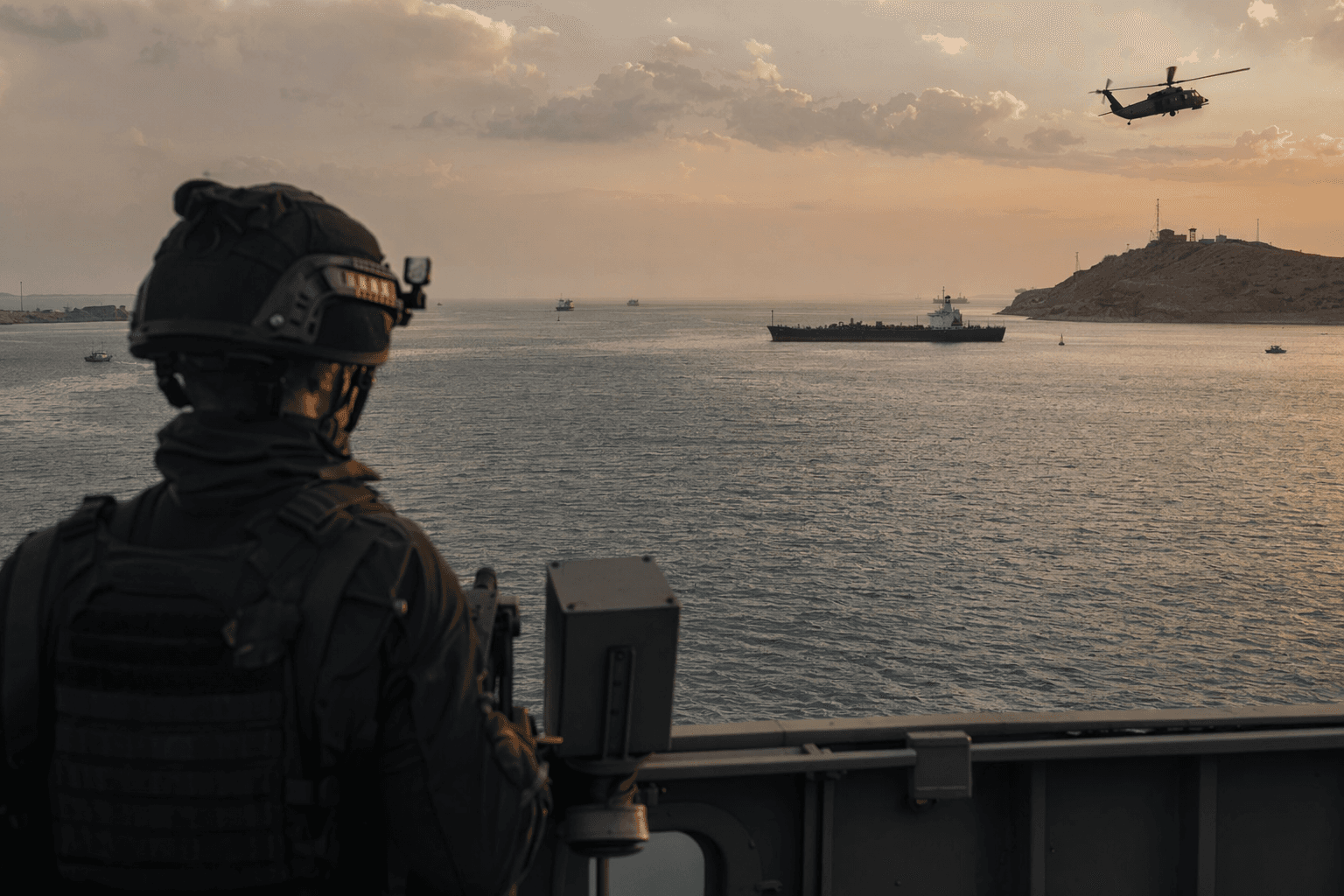
President Donald Trump claimed the United States “controls” the Strait of Hormuz and said Iran’s armed forces had been “wiped out, essentially,” sharpening a confrontation that has already rattled shipping and energy markets. Speaking to reporters on Air Force One after his summit with Chinese President Xi Jinping, Trump said his patience with Iran was running out, added that Xi had agreed Iran must reopen the waterway, and suggested there may be “a little cleanup work.”
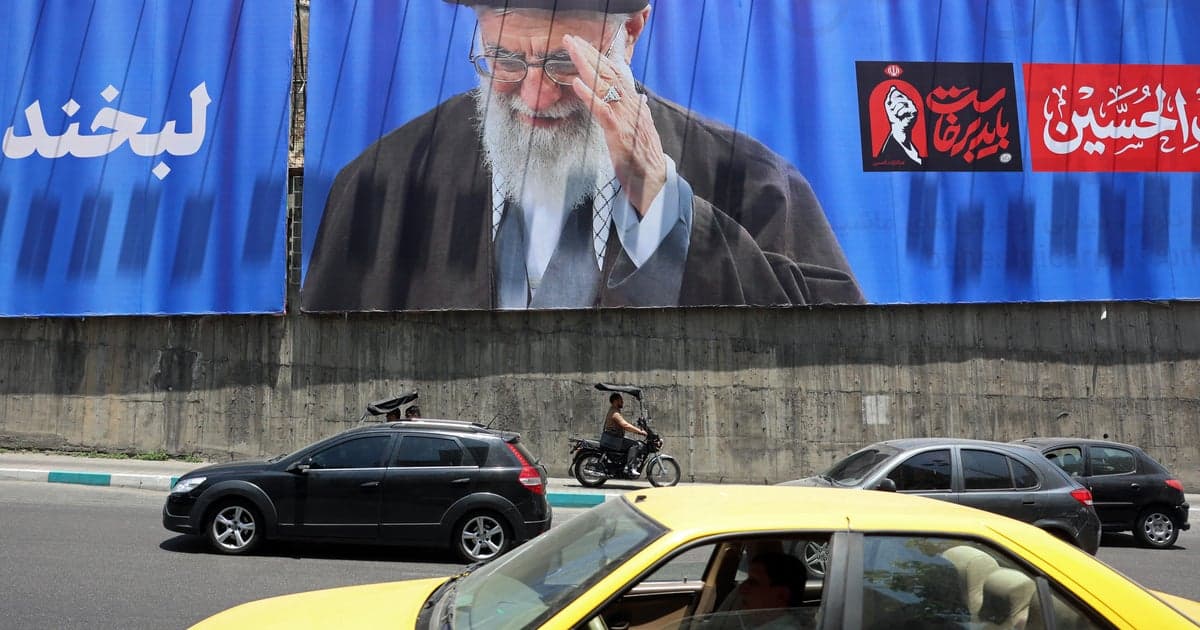
Iran answered with a flat rejection of the premise behind Trump’s pressure campaign. Foreign Minister Abbas Araghchi said in New Delhi that Tehran has “no trust” in the United States and would only negotiate if Washington was serious. He also said there is no military solution to the crisis, underscoring how far apart the two sides remain as the broader dispute over ending the war drags on.
The gap is not only rhetorical. Iran’s latest response to a U.S. proposal demanded war reparations, full sovereignty over the Strait of Hormuz, sanctions relief and the release of frozen Iranian assets. That list points to the core obstacle in the talks: Washington is demanding concessions while Tehran says it will not move without proof that the United States can be trusted to honor any deal.
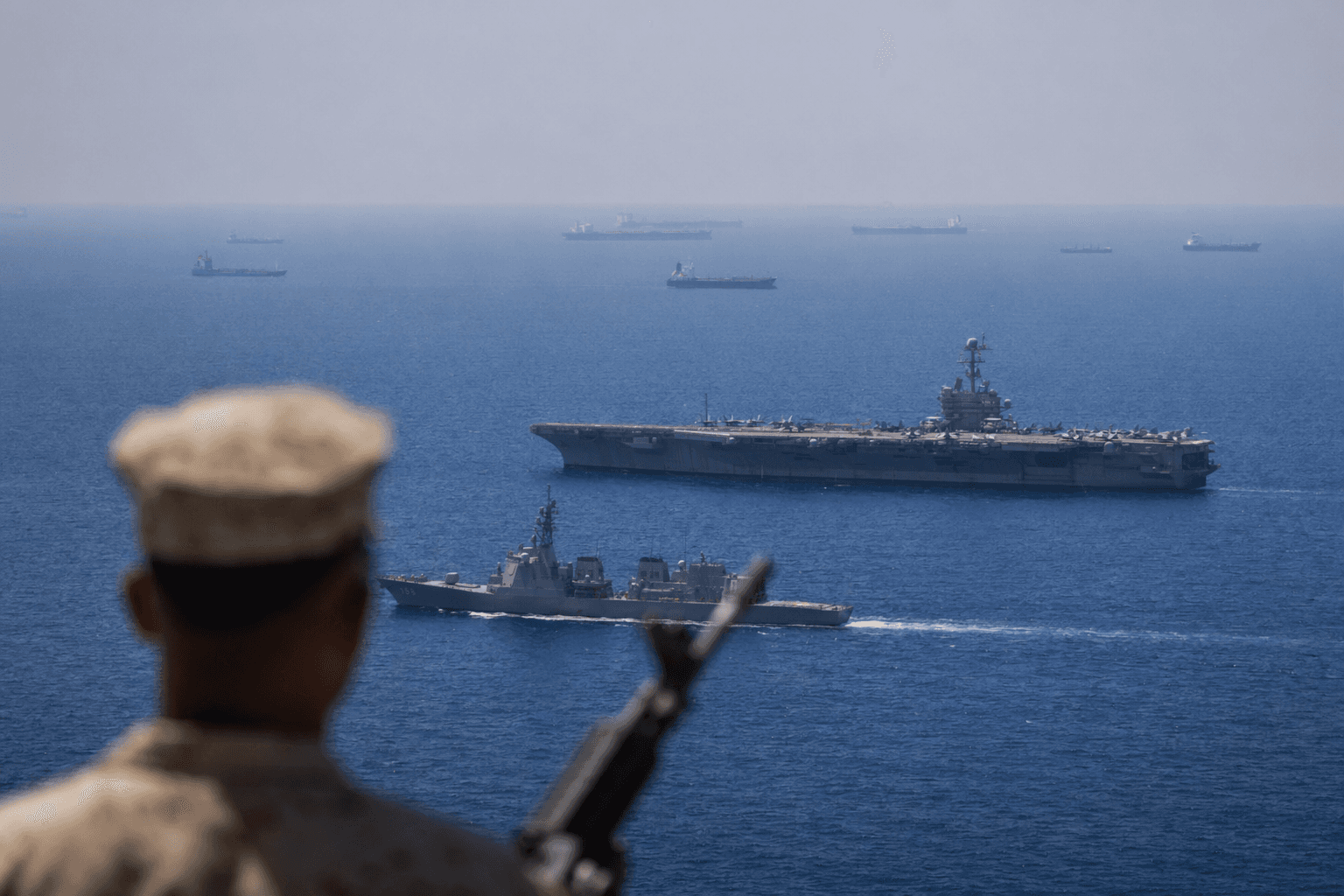
The Strait of Hormuz is one of the world’s most important oil chokepoints, linking the Persian Gulf with the Gulf of Oman and the Arabian Sea. The U.S. Energy Information Administration says the strait is deep and wide enough for the world’s largest crude tankers and carried about 20 million barrels per day in 2024, roughly one-fifth of global petroleum liquids consumption. The International Energy Agency said an average of 20 million barrels per day of crude oil and oil products transited the strait in 2025, and noted that it is only about 29 nautical miles wide at its narrowest point.
Araghchi also said all vessels can pass through Hormuz except those “at war” with Tehran, if they coordinate with Iran’s navy. Recent reports of vessels being seized, attacked or diverted near the strait have reinforced how quickly the standoff can spill into commerce. For diplomacy to resume meaningfully, each side would need something the other is not yet offering: Iran wants sanctions relief, sovereign control and reparations; Trump is demanding compliance first. Until that credibility gap narrows, the most dangerous waterway in the Gulf will remain a pressure point rather than a channel for compromise.
This article was produced by Prism’s automated news system from verified source data, official records, and press releases, then run through automated quality and moderation checks before publishing. The system is built and supervised by the people who set the standards it runs under. Read our full AI policy.
Did this article answer your question?