Trump delays Belarus prisoner releases as Lukashenko talks stall
Washington’s push to free more Belarusian prisoners has stalled, leaving hundreds still jailed and families waiting as a sanctions-for-releases bargain slows.
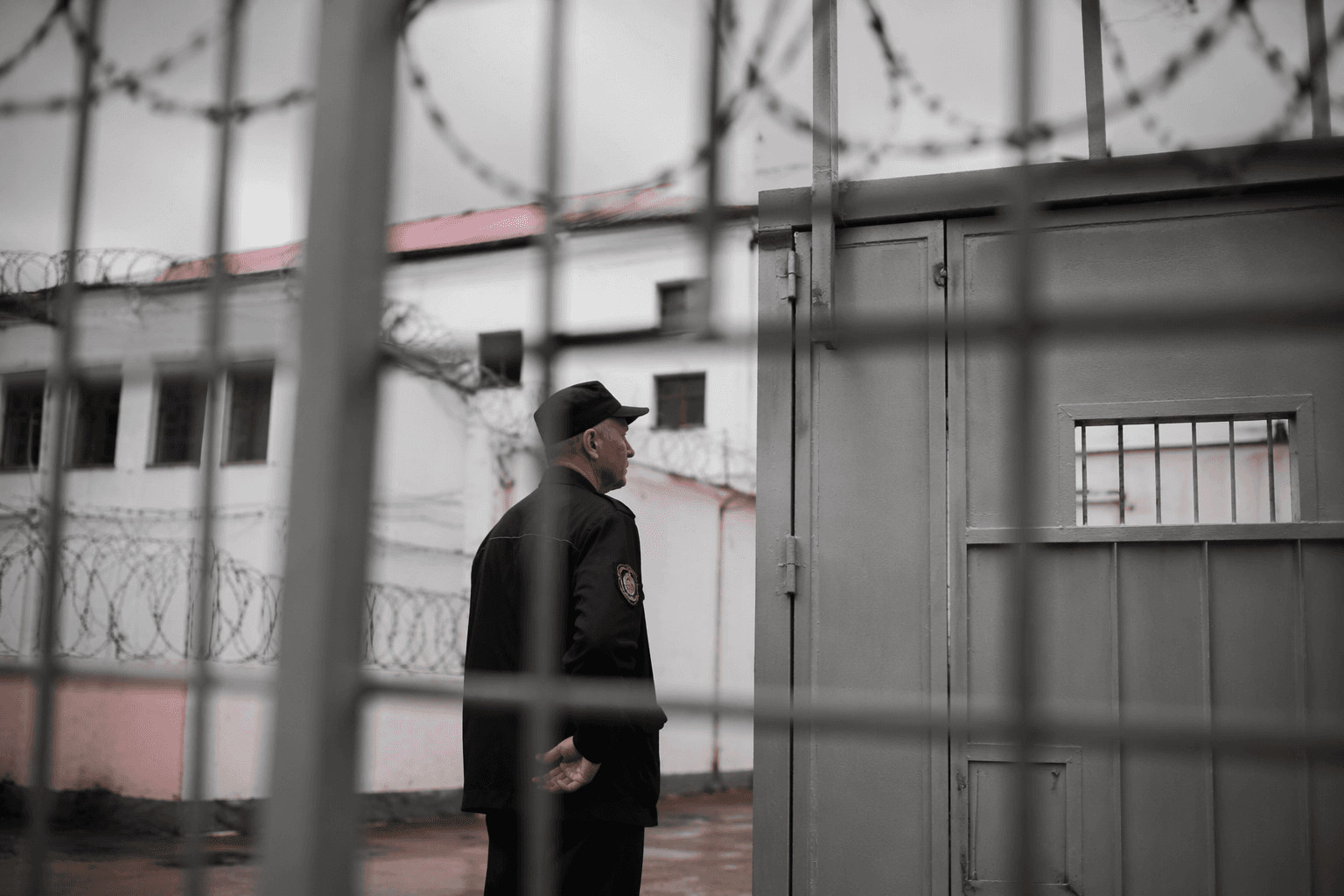
The Trump administration’s effort to win more Belarusian prisoner releases has slowed, exposing both Washington’s leverage over Alexander Lukashenko and the fragility of a deal built on bargaining for people’s freedom. Sviatlana Tsikhanouskaya said U.S. officials told Belarusian opposition figures that the next releases had been postponed for a while, even as many detainees remain in poor health and hundreds are still behind bars.
The pause matters because earlier rounds moved quickly. On March 19, Belarus freed 250 political prisoners in what was described as its largest one-time release so far, and the United States agreed to lift sanctions on two Belarusian state banks, the Ministry of Finance and top potash producers. Previous Coale-linked releases had already taken place in September 2025 and again in December 2025, when 123 prisoners were freed, showing that the channel between Washington and Minsk had produced tangible results before it hit resistance.
Those gains have come with a painful human cost. Human Rights Watch said at least 842 political prisoners remained behind bars as of its September 2025 update, while Viasna said it knew of eight political prisoners who died in Belarusian prisons and one suicide case. UN experts called in July 2025 for effective and transparent investigations into deaths in custody of people detained for political dissent, underscoring how dangerous detention in Belarus has been for those targeted for their politics.
The March release also highlighted how conditional and uneven these deals can be. Marfa Rabkova, a Viasna volunteer-network coordinator, was among those freed after more than five years in custody and a nearly 15-year sentence. Human Rights Watch said 15 of the prisoners released that day were taken to Lithuania, while others stayed in Belarus, a sign that freedom itself has remained unstable for people caught in the government’s crackdown.
That crackdown dates to the disputed August 9, 2020 presidential election, when Lukashenko was declared the winner despite opposition claims and independent exit polling that put Tsikhanouskaya ahead. The result triggered mass protests, mass arrests and a sustained assault on civil society, independent media and opposition groups. For now, the stalled negotiations show that Lukashenko still sees prisoners as bargaining chips, and that even when the machinery of release starts moving, it can stop abruptly with hundreds still paying the price.
This article was produced by Prism’s automated news system from verified source data, official records, and press releases, then run through automated quality and moderation checks before publishing. The system is built and supervised by the people who set the standards it runs under. Read our full AI policy.
Know something we missed? Have a correction or additional information?
Submit a Tip