Trump delays Iran strike as negotiations stall and Ebola cases rise
Trump paused a planned Iran strike after Gulf leaders intervened, then tightened entry rules over Ebola and kept his grip on Republican primaries in view.
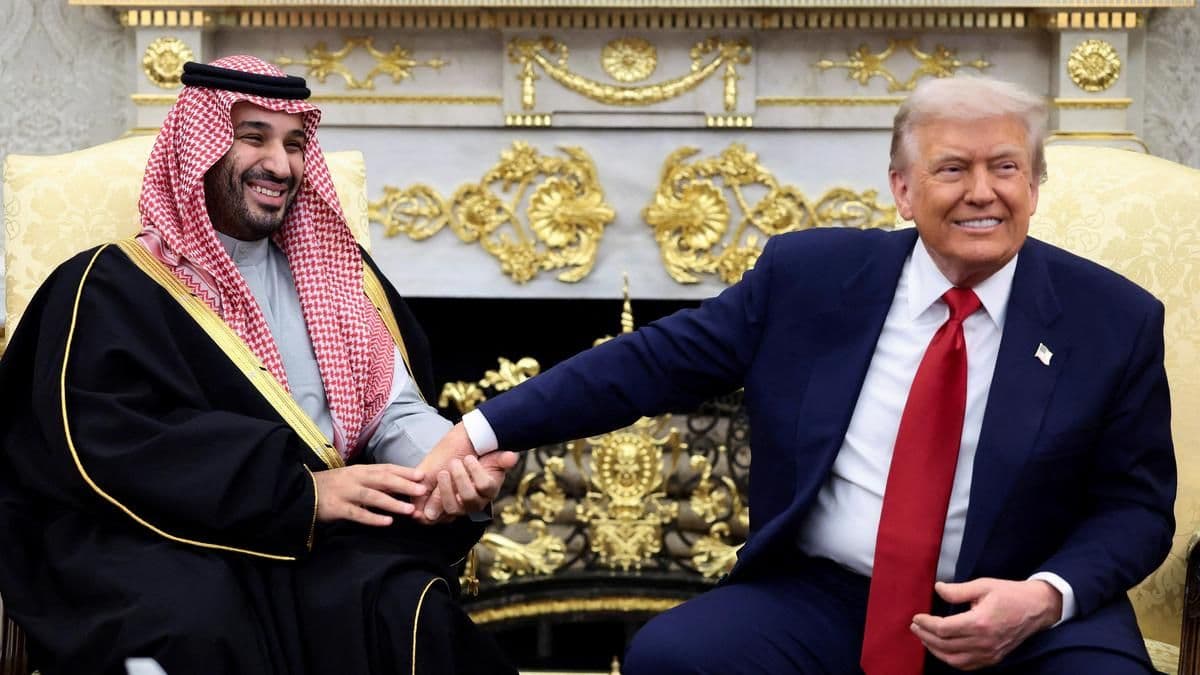
Trump used one week to show three familiar instincts at once: defer when leverage is uncertain, keep military options open, and widen the use of executive power at the border and inside his party. He said on May 18, 2026, that he was postponing a planned U.S. attack on Iran after requests from Qatar’s Tamim bin Hamad Al Thani, Saudi Crown Prince Mohammed bin Salman, and United Arab Emirates President Mohammed bin Zayed Al Nahyan, but he also told Defense Secretary Pete Hegseth and Joint Chiefs Chairman Gen. Dan Caine to stay ready for a large-scale assault if negotiations collapsed.
The pause did not read like a retreat so much as a tactical delay. Trump told military leaders the United States would not carry out the scheduled attack on Iran the next day, yet he said the hold could last “a little while” or even “maybe forever” if a deal was reached. Iranian negotiators remained skeptical and were still demanding an end to the U.S. naval blockade of Iran’s ports, the release of frozen assets, and sanctions relief, underscoring how far apart the two sides remained even as the White House avoided immediate escalation.

That same governing style showed up in domestic enforcement. The Trump administration imposed a U.S. entry ban on foreigners who had traveled in the Democratic Republic of the Congo, Uganda, or South Sudan during the previous three weeks, as the World Health Organization said the Ebola outbreak in Congo and Uganda had reached 500 suspected cases and 130 suspected deaths. Officials said the numbers were likely to rise. The move reflected a familiar Trump approach to crisis management: turn a fast-moving health threat into a border-control decision and let immigration restrictions do part of the public health work.
Trump’s influence also remained central to Republican politics at home. In Texas, Sen. John Cornyn and Attorney General Ken Paxton were headed to a May 26 runoff, a contest that will test how much power Trump still holds over the party’s governing class as well as its insurgents. AP’s 2026 election tracker also showed Trump-backed challengers had already helped topple incumbents in Indiana, Louisiana, and Kentucky, evidence that his political reach is not limited to Washington’s policy fights.

Taken together, the week showed an administration still governed by pressure points: threaten force, delay when partners ask, enforce aggressively at the border, and use Trump’s political standing to shape who survives inside the Republican coalition.
This article was produced by Prism’s automated news system from verified source data, official records, and press releases, then run through automated quality and moderation checks before publishing. The system is built and supervised by the people who set the standards it runs under. Read our full AI policy.
Did this article answer your question?

