Trump demands “unconditional surrender” as Russia hands Iran U.S. targeting imagery
President Trump demanded Iran’s "unconditional surrender" as the U.S.-Israeli war widened; U.S. officials say Russia provided satellite imagery of American forces, raising new security and humanitarian risks.
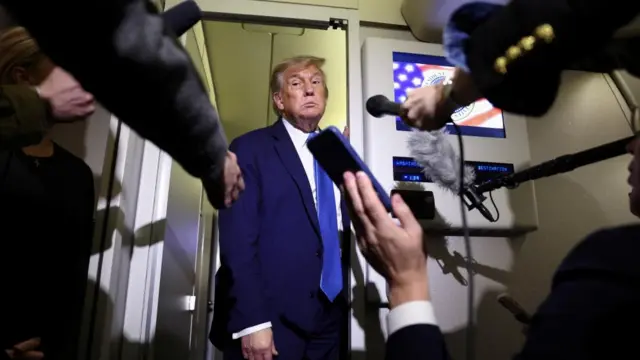
President Trump demanded “UNCONDITIONAL SURRENDER” from Iran as American and Israeli forces pressed a widening campaign into its seventh day, even as U.S. intelligence assessments conclude Tehran is not currently building a nuclear weapon and would need up to three years to produce one. At the same time U.S. officials say Russia has provided Iran with overhead satellite imagery of American troops, ships and aircraft, a development that U.S. commanders and diplomats warn could deepen the conflict and complicate civilian protection.
The joint U.S.-Israeli strikes have expanded across multiple fronts. Israeli forces struck targets in Tehran and Beirut and announced a “new phase” of operations, while U.S. commanders say about 30 Iranian naval vessels have been destroyed since the fighting began and that efforts will target Iran’s ballistic missile industry so it can be “razed or level[ed],” according to Adm. Cooper. Iran’s missile and drone retaliation has struck across the Persian Gulf and beyond, killing six U.S. service members when an Iranian drone hit a makeshift facility in Kuwait and prompting tens of thousands of people to flee as regional economies buckle.
U.S. intelligence officials and people familiar with the reporting describe Moscow’s sharing of satellite imagery with Tehran as a troubling escalation. “This shows Russia still likes Iran very much,” one source briefed on the intelligence told U.S. officials. It is not clear what, if anything, Russia is receiving in return or whether specific Iranian strikes can be tied directly to Russian-provided targeting. The Kremlin was asked for comment, officials said.
The conflict’s spread is already producing acute public health and humanitarian consequences. Displacement of tens of thousands is straining hospitals and emergency clinics in nearby countries and inside Iran, complicating care for trauma, chronic disease management and maternal and child health. Air travel in the Middle East is at a virtual standstill and shipping in the Strait of Hormuz remains disrupted, threatening supply chains for medicine, fuel and food that low-income communities depend on. Officials also warn Gulf partners are depleting interceptor stockpiles, leaving populated areas more vulnerable and driving uneven protection across allied states.
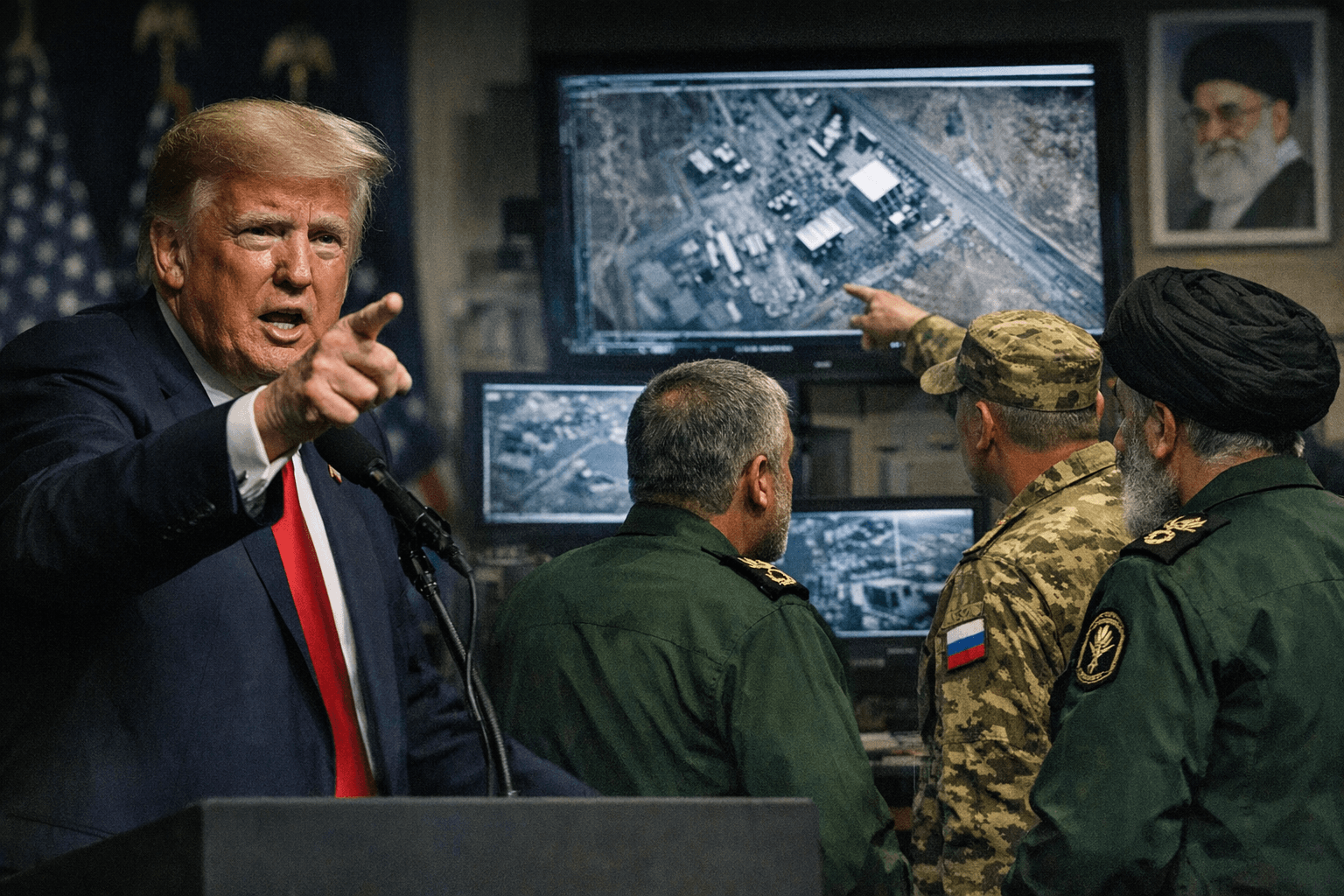
Domestically, the White House posture is hardening. On social media the president wrote “there will be no deal with Iran except UNCONDITIONAL SURRENDER!” and reiterated the campaign aim as to “Make Iran Great Again.” When pressed about the risk of retaliatory attacks on U.S. soil, he told Time magazine, “I guess… But I think they’re worried about that all the time. We think about it all the time. We plan for it. But yeah, you know, we expect some things. Like I said, some people will die. When you go to war, some people will die.” He dismissed a congressional intelligence assessment by saying, “I don’t care what she said,” after Tulsi Gabbard’s testimony, though Gabbard later said, “What President Trump is saying is the same thing I said in my annual threat assessment in March to Congress.”
The divergent official narratives complicate oversight and policymaking. U.S. defense leaders are publicly downplaying the role of other powers, with Secretary Pete Hegseth telling reporters Russia and China are “not really a factor,” a position that contrasts with the intelligence reporting of Moscow’s imagery sharing. Lawmakers and federal health agencies face urgent decisions on refugee assistance, medical surge funding and supply chain protections. As hospitals brace for displaced patients and as civilian deaths mount, health equity advocates warn that the most vulnerable, refugees, the poor and those with chronic illnesses, will shoulder the heaviest toll unless Washington pairs its military strategy with rapid humanitarian and public health action.
This article was produced by Prism’s automated news system from verified source data, official records, and press releases, then run through automated quality and moderation checks before publishing. The system is built and supervised by the people who set the standards it runs under. Read our full AI policy.
Did this article answer your question?

