Trump deportees in Congo face choice: stay or return to Latin America
Shackled and flown to Kinshasa, 15 Latin American migrants were left in a hotel under guard, forced to choose between Congo and a return to Latin America.
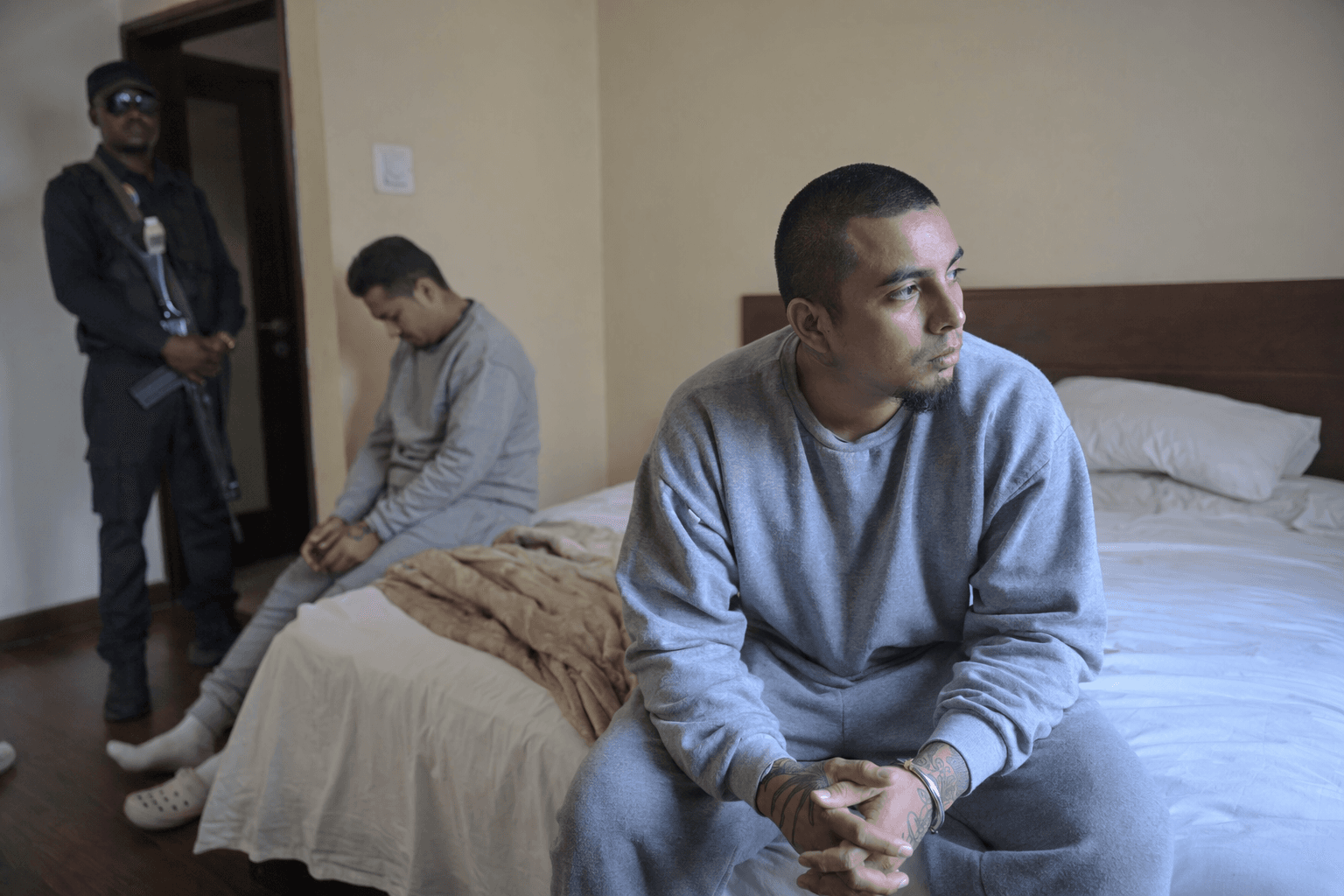
Shackled and flown for roughly 27 hours, 15 Latin American migrants and asylum seekers landed in Kinshasa and were moved into a hotel on the outskirts of the city, where guards watched over them as their short-term visas and support arrangements began to run out. The group, from Colombia, Ecuador and Peru, became the first known African transfers under a secretive U.S.-Democratic Republic of Congo migration deal, turning a hotel stay into a test case for how far the Trump administration can push third-country deportations.
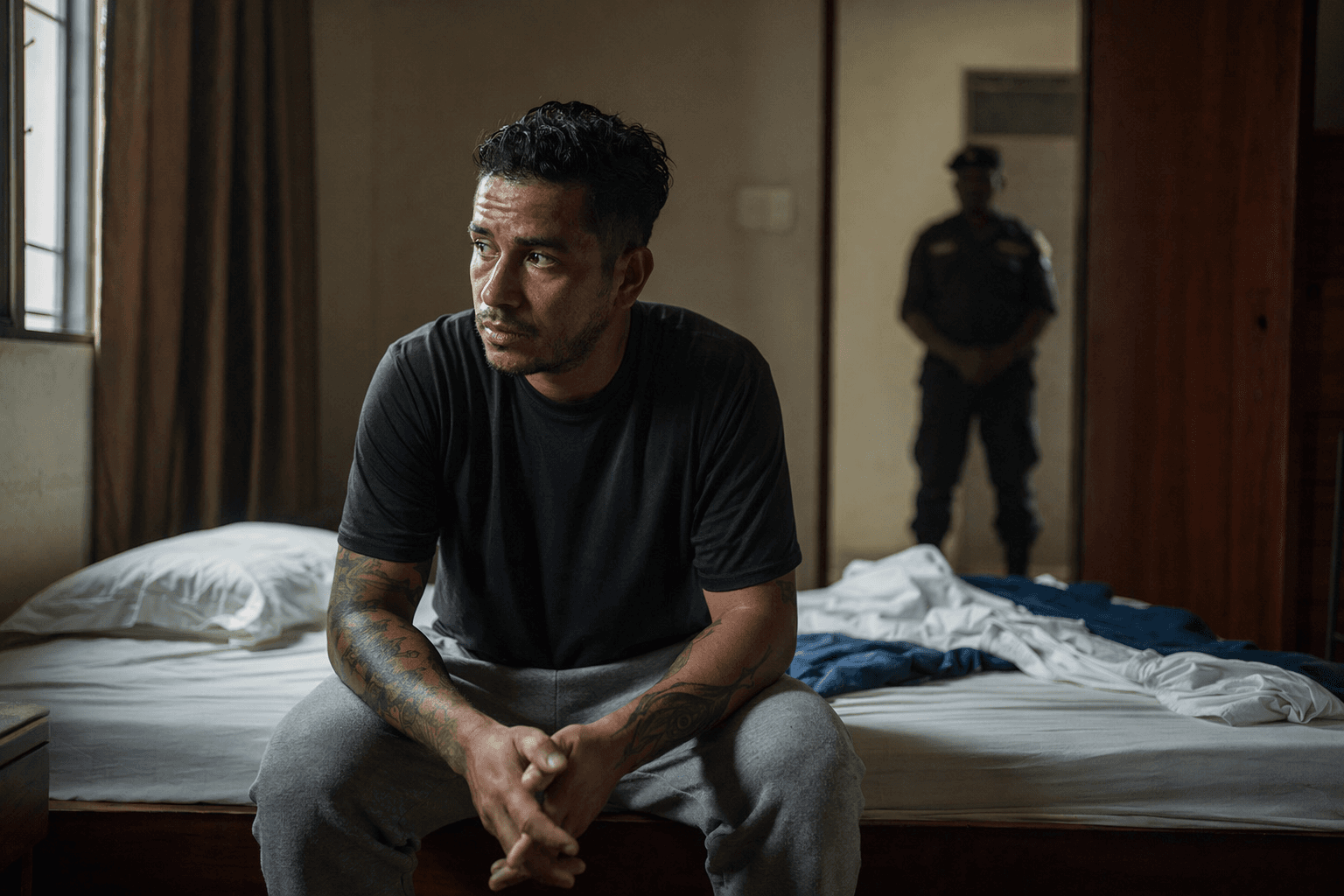
Inside the hotel, the choice narrowed to two stark options: seek asylum in the Democratic Republic of Congo or accept voluntary return to Latin America, a process that could take months. Some of the deportees said they feared staying in Congo, did not speak the language and had no ties there. One said he felt safer in Colombia. Hugo Palencia Ropero, who said he had spent five months in U.S. detention before being sent to Congo, described a fragile routine under guard. “I get three meals a day, the hotel staff cleans the rooms, and we're well protected,” he said.
The Congo transfer was not an isolated move. The Trump administration has also pursued third-country deportation arrangements with Cameroon, Equatorial Guinea, Eswatini, Ghana, Rwanda, South Sudan and Uganda, extending a policy that shifts migrants away from their countries of origin and into states with which many have no connection. A Democratic staff report cited by PBS said the administration had spent at least $40 million to deport about 300 migrants to countries other than their own, a scale that raises questions about cost, consent and oversight as removals move farther from the legal systems that traditionally govern them.
The legal and humanitarian risks sharpened further on May 14, when U.S. District Judge Richard J. Leon ordered the administration to bring back Adriana Maria Quiroz Zapata, a 55-year-old Colombian woman sent to Congo despite Congolese authorities having refused to accept her because of medical concerns. Court reporting said Congo had told U.S. Immigration and Customs Enforcement it could not provide sufficient care for her diabetes and thyroid condition, yet she was deported anyway. Leon’s ruling added fresh pressure to a policy that is already drawing scrutiny as an offshoring strategy with thin accountability and uncertain safeguards.
For the migrants in Kinshasa, the broader precedent was suddenly concrete: a deportation system that did not end at the border, but in a guarded hotel thousands of miles from home, where legal protections seemed to shrink at every handoff.
This article was produced by Prism’s automated news system from verified source data, official records, and press releases, then run through automated quality and moderation checks before publishing. The system is built and supervised by the people who set the standards it runs under. Read our full AI policy.
Did this article answer your question?