Trump drops $10 billion IRS lawsuit amid settlement talks
Trump abruptly dropped his $10 billion IRS suit as settlement talks swirled, leaving unanswered why he abandoned a case his lawyers cast as unprecedented.

Donald Trump abruptly dropped his $10 billion lawsuit against the Internal Revenue Service and the U.S. Department of the Treasury on May 18, leaving open why he walked away from a case legal experts had called unprecedented. His lawyers filed a voluntary dismissal in U.S. District Court in Miami, but the terms were not immediately clear, including whether the move was tied to a settlement.
The lawsuit had been filed in January 2026 in the Southern District of Florida by Trump, Donald Trump Jr., Eric Trump and the Trump Organization. It accused the IRS and Treasury Department of failing to properly oversee a contractor who leaked the president’s tax records, and it sought at least $10 billion in damages for the alleged breach.
The contractor at the center of the dispute was Charles Edward Littlejohn, a former IRS contractor who accessed tax information in 2019 and 2020. According to the Justice Department, Littlejohn pleaded guilty in October 2023 and was sentenced to five years in prison on January 29, 2024, after admitting to one count of disclosing tax return information without authorization. That criminal case underscored the seriousness of the leak, but it did not automatically establish that the federal government owed Trump and his family billions in damages.
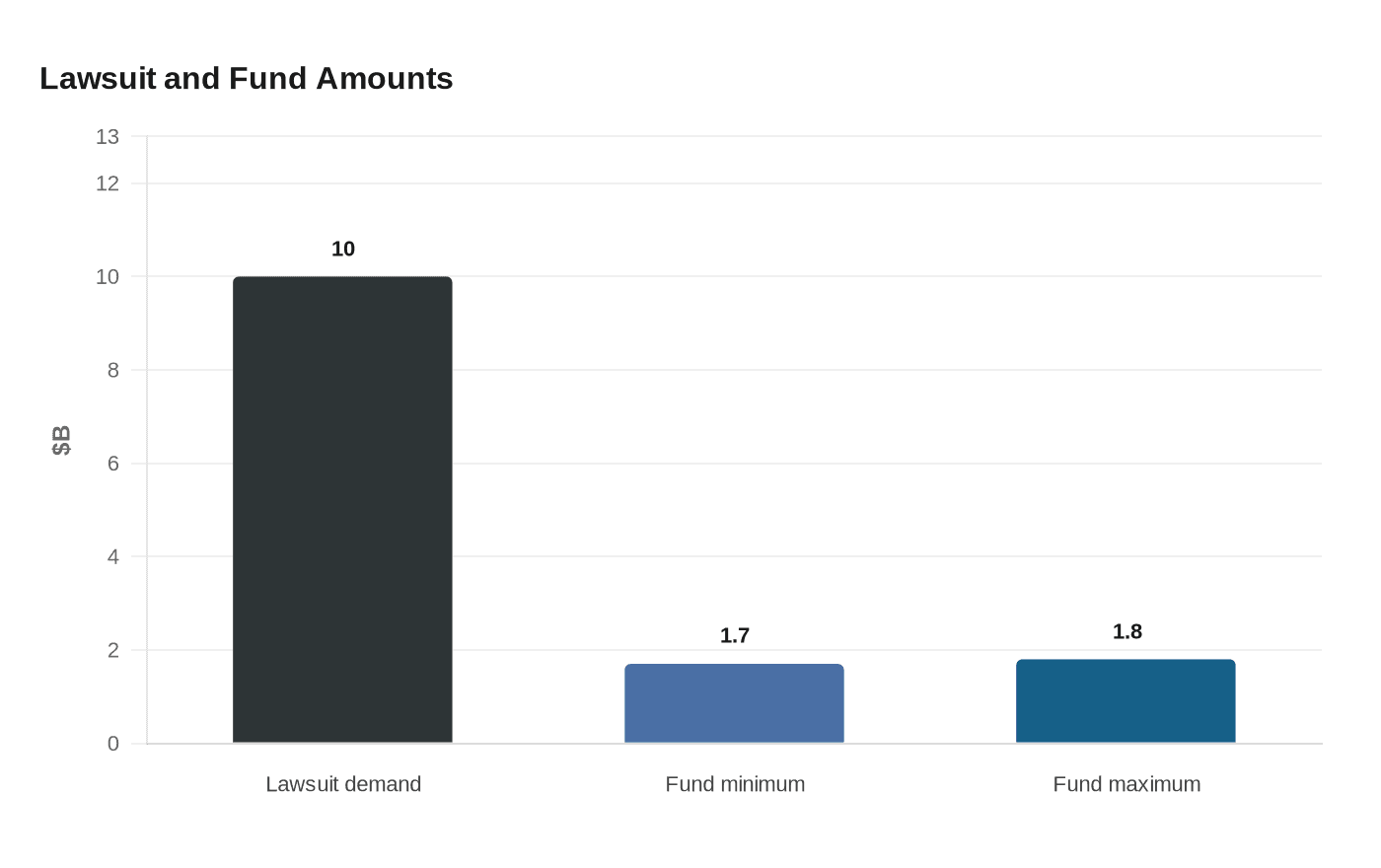
The civil case had also become entangled with broader settlement talks. Reporting in April and May said attorneys for Trump and the IRS were discussing a possible resolution that could include a $1.7 billion to $1.8 billion federal fund for people Trump allies described as victims of government weaponization. Democratic lawmakers blasted that idea as corrupt and warned it could amount to a taxpayer-funded slush fund.
The reversal raised fresh questions about leverage on both sides. Trump’s complaint rested on the claim that the government failed to stop a leak, but the size of the damages demand made the case vulnerable to skepticism from legal experts, who described it as unprecedented. The dismissal suggested that the White House and the Justice Department may have found a path to end the fight before a court tested the merits of the claim.
Politically, the move removed one of the more explosive legal battles tied to Trump’s return to power, but it did not settle the underlying fight over IRS privacy, government accountability and who counts as a victim of federal misconduct. Without a public explanation for the dismissal, the case now stands as a rare example of a massive presidential lawsuit disappearing just as settlement talks appeared to be closing in.
This article was produced by Prism’s automated news system from verified source data, official records, and press releases, then run through automated quality and moderation checks before publishing. The system is built and supervised by the people who set the standards it runs under. Read our full AI policy.
Did this article answer your question?

