Trump extends Jones Act waiver, allowing foreign ships to move U.S. goods
Trump’s 90-day Jones Act waiver pushes foreign ships into U.S. domestic trade through mid-August, but labor groups say the fuel-price relief will be minimal.
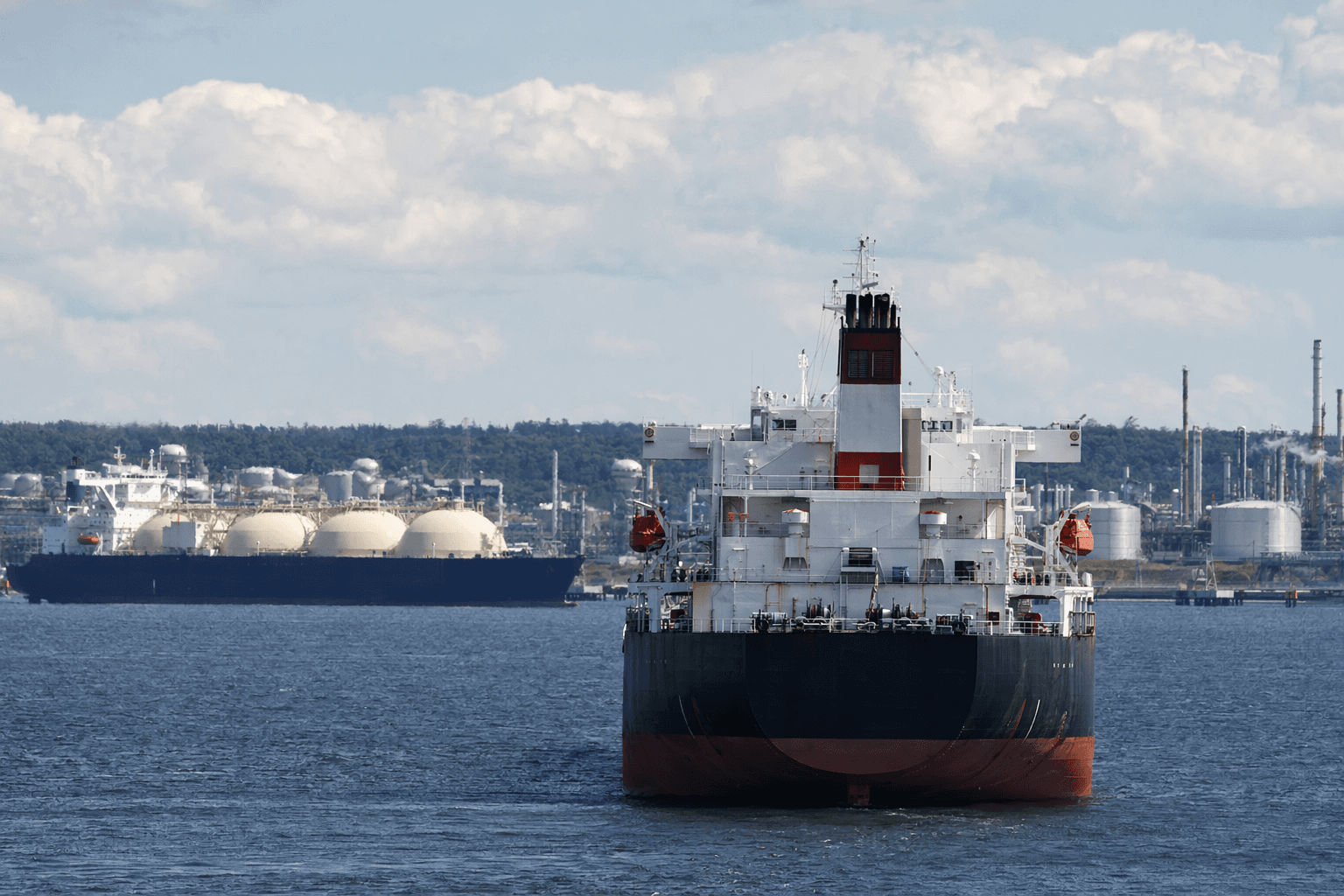
President Donald Trump extended a Jones Act waiver for 90 days on April 24, pushing the exemption from a May 17 expiration to roughly mid-August and keeping foreign-flagged vessels in play for cargoes moving between U.S. ports.
The move came after a 60-day waiver announced March 18, which opened the door for foreign ships to carry oil, fuel, fertilizer and other goods across domestic routes as energy markets tightened amid the war with Iran. The White House said the extension would provide “certainty and stability” for the U.S. and global economies, and officials said it was issued three weeks before expiration so the maritime industry would have time to ensure enough vessels were available.
The policy matters because the Jones Act normally requires waterborne cargo moving between U.S. points to travel on ships that are U.S.-built, U.S.-flagged and mostly U.S.-crewed. U.S. Customs and Border Protection then spelled out how the waiver would work, saying covered products had to be loaded by 11:59 p.m. EDT on Sunday, May 17, 2026, and that foreign vessels still had to follow vessel entry and cargo declaration rules.
The central question is whether the waiver lowers shipping and energy costs in a meaningful way or mostly relieves pressure at the margins. Maritime labor groups argued it would do little for drivers and households, saying domestic shipping accounts for less than one cent per gallon and that any savings would instead flow to foreign shipping interests. The Seafarers International Union said the broad waiver “undermines our national security, weakens military readiness, and hands critical maritime work to foreign vessel operators.”
Supporters of the Jones Act, including the American Maritime Partnership, warned the extension would displace American workers and undercut the domestic maritime base that U.S. shipbuilders and unions say is vital to military logistics and national security. That group called the waiver historically long and ineffective, while critics from energy, refining and agriculture have long argued that the law inflates shipping costs during disruptions.
The political effect is clear in Washington: Trump is trying to show he can blunt fuel-price shocks while keeping enough vessels moving. The economic effect is less certain. The waiver opens domestic routes to foreign ships, but the strongest evidence in the dispute suggests the benefit is narrow, the gains may be captured by carriers rather than consumers, and the policy’s larger value may be as a signal of action during a volatile energy period.
This article was produced by Prism’s automated news system from verified source data, official records, and press releases, then run through automated quality and moderation checks before publishing. The system is built and supervised by the people who set the standards it runs under. Read our full AI policy.
Did this article answer your question?

