Trump faces Supreme Court rulings that could reshape his agenda
Trump is pressing the Supreme Court from both sides, and the justices are poised to decide cases that could redraw immigration, regulation and presidential power.

Trump has turned the Supreme Court into a separation-of-powers stress test. The court’s 6-3 conservative majority includes three justices he appointed in his first term, yet after the court struck down his sweeping global tariffs on February 20, 2026, Trump singled out Justices Neil Gorsuch and Amy Coney Barrett for attack and then kept courting the same bench that can still salvage major pieces of his agenda.
The next set of rulings could land by the end of June and reach into the core of governing. The court is due to decide cases involving Trump’s attempt to curtail birthright citizenship, his move to fire a member of the Federal Reserve Board of Governors, his effort to oust a Federal Trade Commission commissioner, and his bid to end protected status for immigrants from Haiti and Syria. Each case carries a concrete consequence: who counts as an American citizen, whether an independent central banker can be removed, whether a consumer watchdog can be pushed out, and whether hundreds of thousands of people can keep legal protection from deportation.
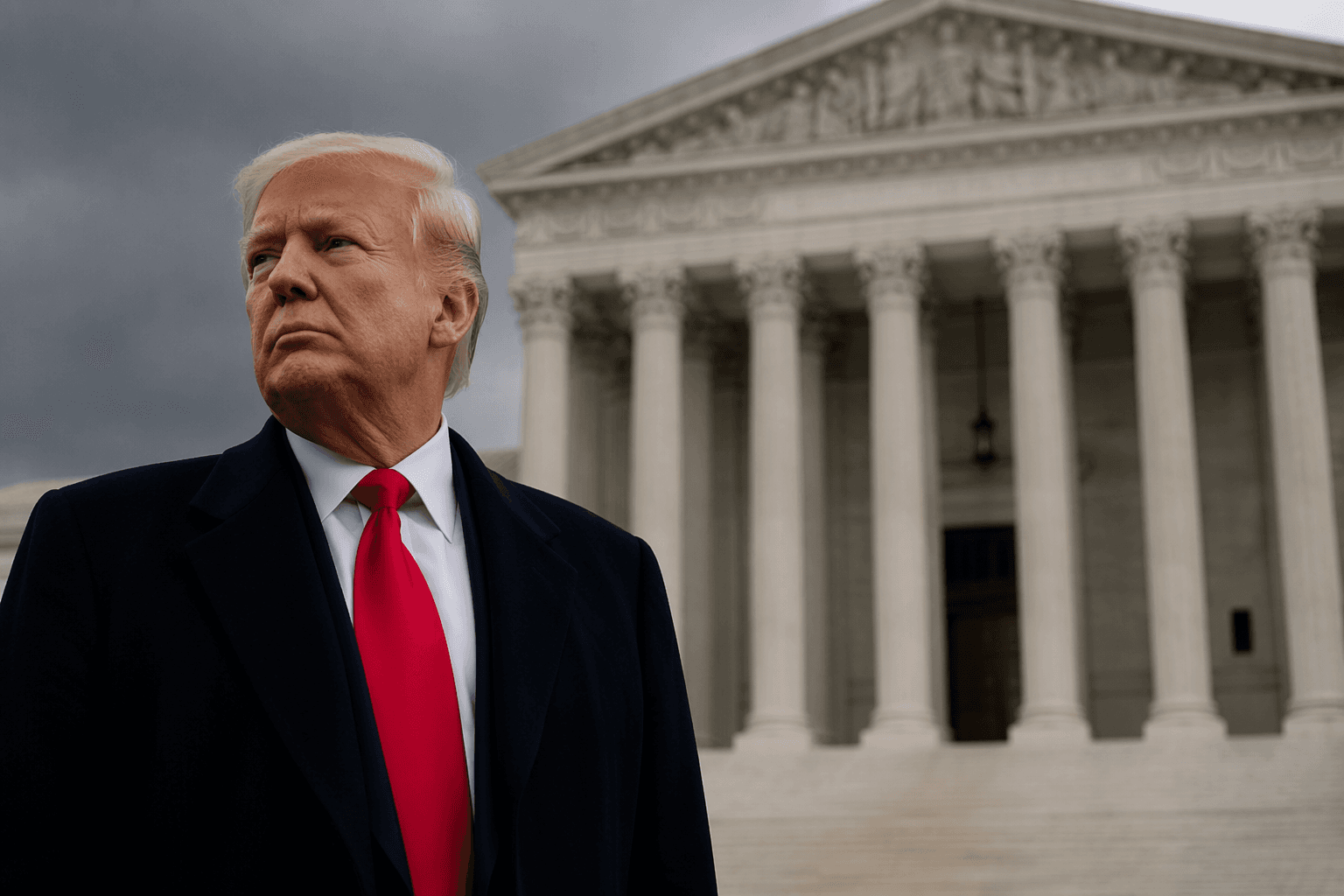
Trump’s birthright-citizenship order, signed on January 20, 2026, the first day of his second term, directed agencies not to recognize citizenship for children born in the United States to parents who are neither citizens nor green-card holders. Lower courts blocked the order as likely unconstitutional, and oral argument on April 1 signaled skepticism from most justices. A ruling for Trump would not only alter immigration policy; it would force hospitals, schools and state agencies to navigate a new and immediate question about who is treated as American at birth.
The court has already shown how much is at stake for Trump’s governing program. It weakened the Voting Rights Act this term and, by the end of 2025, had ruled for the Trump administration in 20 of 24 emergency-docket cases even as 358 lawsuits challenging Trump actions piled up. That pattern has given Trump reason to expect help, but it has not stopped him from publicly pressuring the court when decisions cut against him. In a May post on Truth Social, he blamed Gorsuch and Barrett by name for the tariff loss and said their votes had cost the United States about $159 billion in refunds. Gorsuch responded that his loyalty is to the Constitution and the laws of the United States.
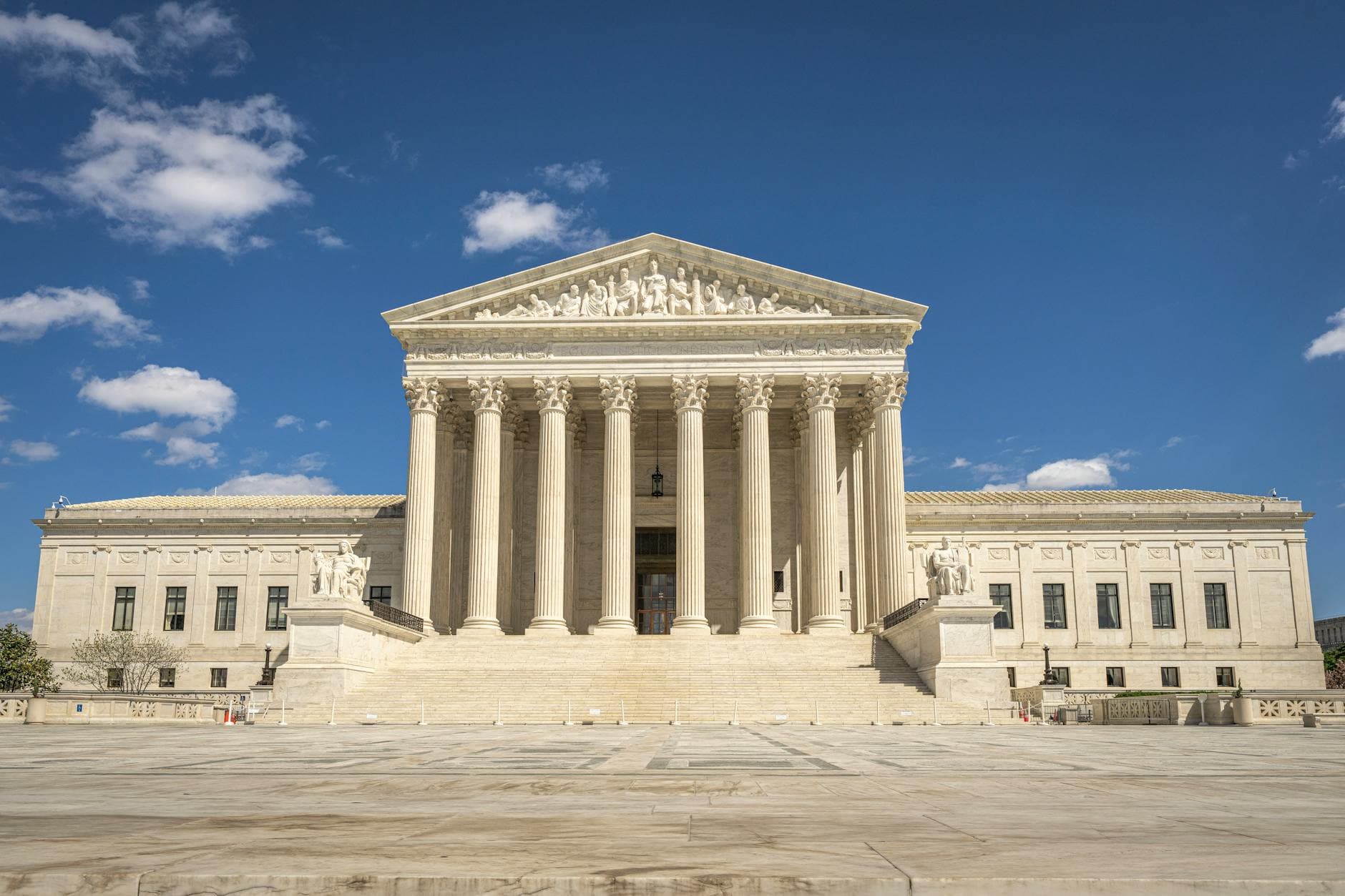
The political backdrop adds to the pressure on the court’s legitimacy. Trump’s approval rating fell to 42% in a December 2025 NBC News poll, with 58% disapproving, a reminder that the fight over presidential power is unfolding against a skeptical public. As the justices move toward rulings on immigration, agency independence and election-related authority, their decisions will not just measure Trump’s reach. They will test how much room the presidency has left before the Constitution draws the line.
This article was produced by Prism’s automated news system from verified source data, official records, and press releases, then run through automated quality and moderation checks before publishing. The system is built and supervised by the people who set the standards it runs under. Read our full AI policy.
Did this article answer your question?

