Trump family settlement sparks alarm over IRS audit immunity deal
A $1.776 billion anti-weaponization fund, paired with a Trump family tax settlement, has raised new questions about IRS audit power and equal enforcement.
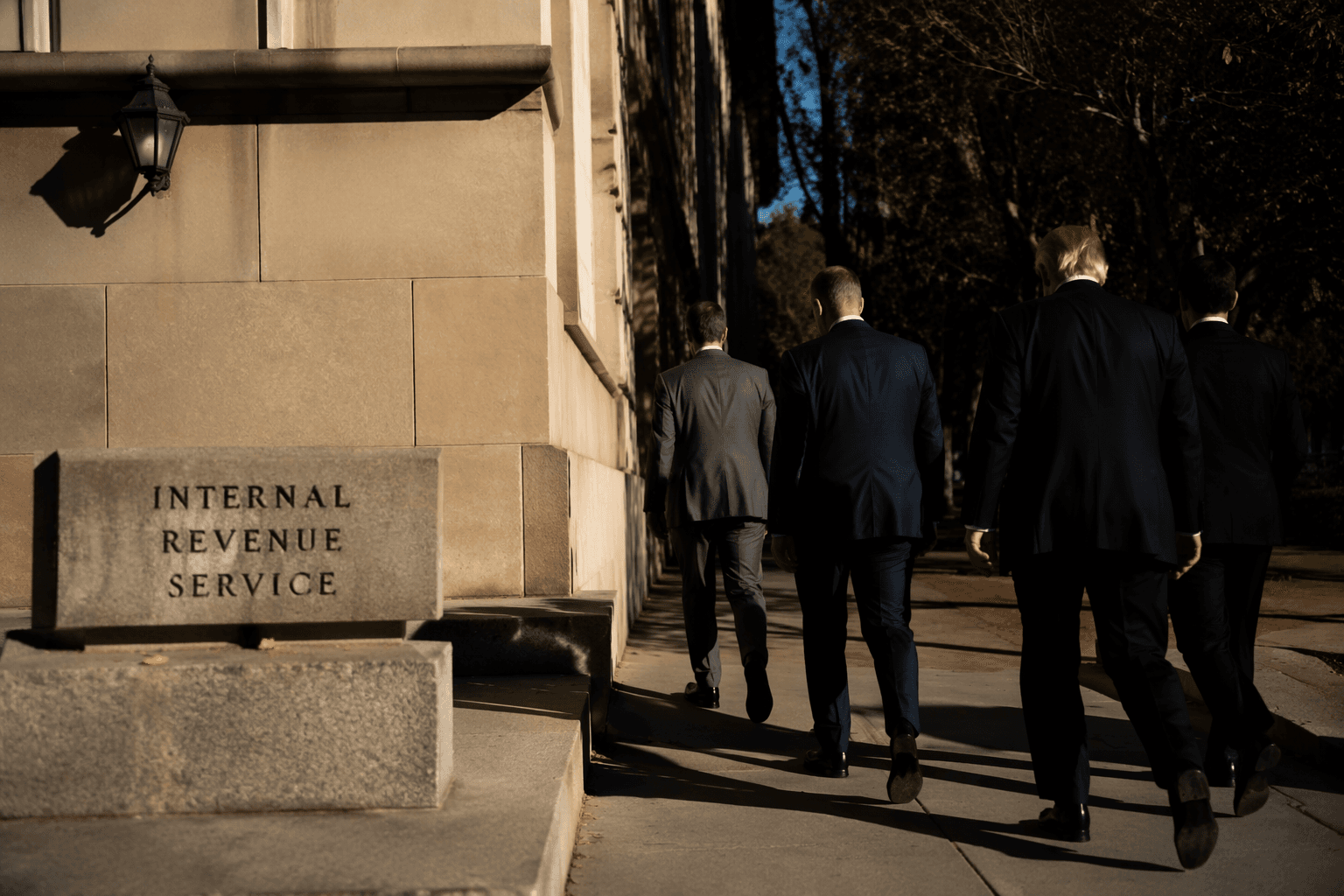
A settlement meant to end the Trump family’s tax-return lawsuit instead opened a fresh fight over who can be shielded from federal scrutiny. The Justice Department’s decision to pair a formal apology with a $1.776 billion “Anti-Weaponization Fund” has alarmed lawmakers who say the arrangement could weaken the Internal Revenue Service’s ability to police politically connected taxpayers.
The underlying case was filed on January 29, 2026, in federal court in South Florida by Donald J. Trump, Donald J. Trump, Jr., Eric Trump and The Trump Organization, LLC. It accused the government of improper disclosure of tax returns and related tax information by former IRS contractor Charles Littlejohn in 2019 and 2020. Under the settlement, the plaintiffs received no monetary damages, agreed to drop the lawsuit with prejudice and withdrew two administrative claims, including claims tied to Mar-a-Lago and the Russia-collusion investigation.
The Justice Department said the new fund will be available to redress claims of alleged government lawfare and weaponization, with no partisan requirement for applicants. It said claims will be reported quarterly to the attorney general, can be audited at the attorney general’s direction and must stop being processed no later than December 1, 2028. Any money left over would revert to the federal government. To justify the structure, the department pointed to the Obama-era Keepseagle settlement as precedent, though critics say the comparison is strained by the broader scope and political sensitivity of this case.
That sensitivity has spilled quickly onto Capitol Hill. Rep. Brian Fitzpatrick, Republican of Pennsylvania, said he wanted to “kill” the fund and demanded answers by June 1 on where the money is coming from, what legal purpose the account serves and whether people convicted of federal crimes or tied to violence could qualify. House and Senate Republicans have publicly questioned the settlement’s legal basis and scope, while Senate Republicans stalled a Trump-backed bill after Acting Attorney General Todd Blanche made an unplanned trip to the Capitol to defend the arrangement.
Democrats have gone further, calling the account a taxpayer-financed slush fund. Rep. Jamie Raskin introduced legislation to block federal money from backing the settlement and to bar convicted Jan. 6 participants from receiving payouts. That concern has sharpened because Blanche has said the claims process would be open to anyone and that eligibility decisions would be made by commissioners, not by him.
The Justice Department says the Trump family itself cannot benefit from the fund, but it has not publicly detailed how that prohibition would be enforced. That gap leaves the most consequential question unresolved: if a politically connected family can secure a settlement that narrows the government’s leverage around tax disputes, what does that signal for equal enforcement of tax law, and for public trust in the IRS as an institution meant to apply the rules without fear or favor?
This article was produced by Prism’s automated news system from verified source data, official records, and press releases, then run through automated quality and moderation checks before publishing. The system is built and supervised by the people who set the standards it runs under. Read our full AI policy.
Did this article answer your question?

