Trump heads to China for Xi summit as Iran war strains economy
Trump’s Beijing summit with Xi Jinping was pushed by the Iran war, turning the Strait of Hormuz and energy prices into a test of U.S. leverage.

Donald Trump’s trip to Beijing has become a stress test of American leverage after the war in Iran upset energy markets and complicated the diplomacy around his meeting with Xi Jinping. The summit is scheduled for May 14-15, and it now carries far more weight than a routine leader-to-leader visit.
The talks were originally delayed because of the conflict in Iran, which has kept the Strait of Hormuz at the center of global economic concerns. The narrow waterway handles a major share of the world’s oil shipments, and the pressure has only sharpened because China is the largest oil importer and depends heavily on crude from the Middle East. U.S. Treasury Secretary Scott Bessent publicly urged Beijing to help pressure Tehran to reopen the strait, underscoring how quickly a regional war has spilled into the core of U.S.-China diplomacy.
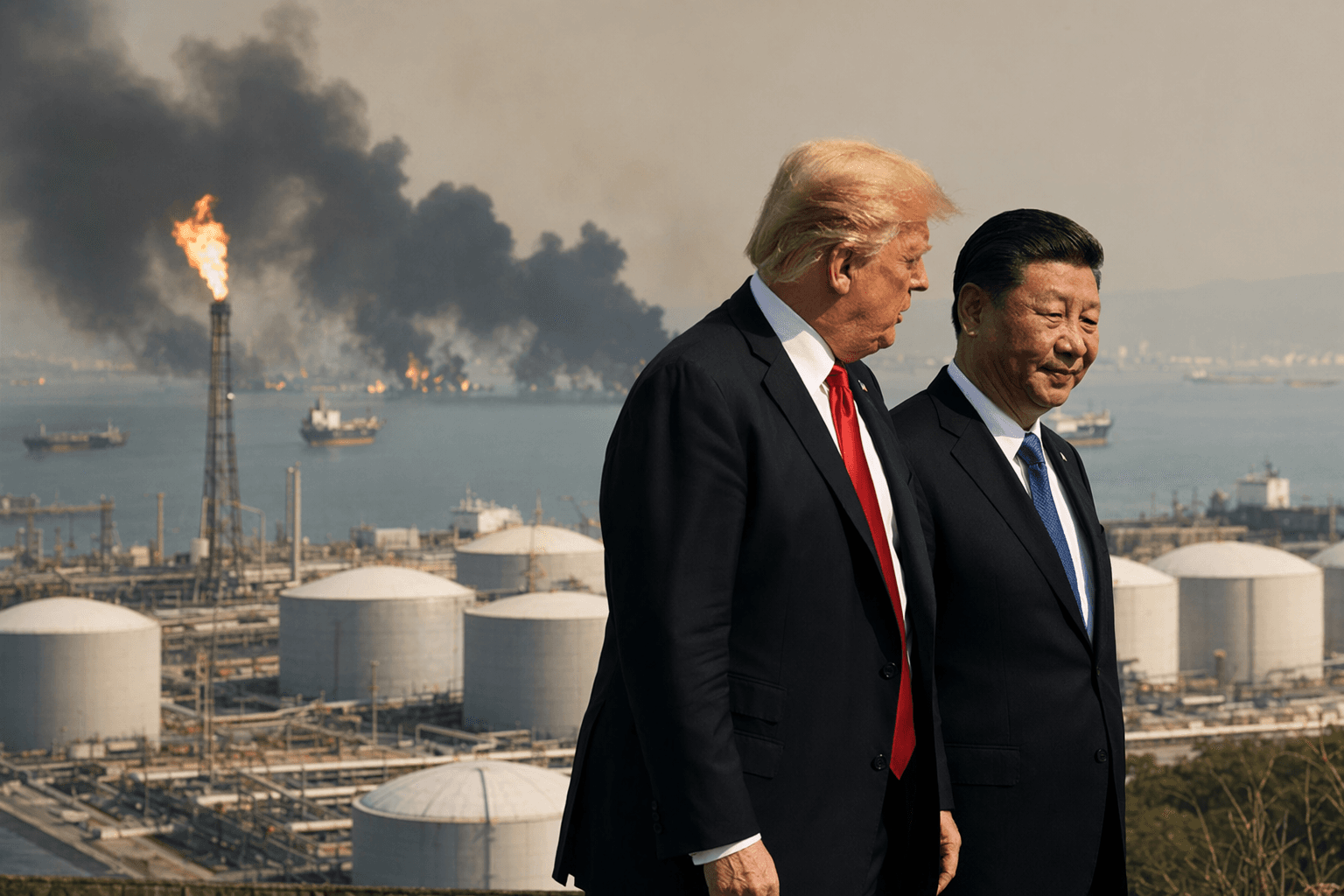
The meeting in Beijing will be the first visit to China by a U.S. president since November 2017. Trump last saw Xi in person in South Korea in October 2025, when the two leaders agreed to a trade truce. That temporary calm has not removed the underlying strain in the relationship, and both governments have said ties were broadly stable even as the war in Iran pushed new tension into the agenda.
Taiwan is expected to be one of the main subjects at the summit, with Beijing signaling that it wants the issue treated as a priority. Trade will also be on the table, along with rare earth minerals, possible Chinese purchases of U.S. agricultural products and potential Boeing aircraft deals. Each item carries domestic political value for Trump and strategic value for Xi, who will be looking to shape the conversation on his own terms.
The summit lands at a moment when energy prices, supply chains and security calculations are all linked. The war in Iran has strained U.S.-Chinese ties further, and the two presidents enter Beijing with no easy end in sight, only a narrow opening to claim progress while the Middle East continues to shadow the world’s two biggest powers.
This article was produced by Prism’s automated news system from verified source data, official records, and press releases, then run through automated quality and moderation checks before publishing. The system is built and supervised by the people who set the standards it runs under. Read our full AI policy.
Did this article answer your question?


