Trump immigration blitz in Minnesota stalls federal crime investigations in Minneapolis
Federal gun and drug cases in Minneapolis fell sharply as immigration agents were shifted into Trump’s crackdown, cutting prosecutions from 77 to eight.
Federal prosecutors in Minneapolis charged only eight people with gun or drug offenses from January through the end of April, down from 77 in the same period a year earlier, as Trump’s immigration push in Minnesota pulled agents and lawyers away from ordinary criminal work. Overall felony filings also dropped to 90 people, about half the pace of last year.
The enforcement surge brought more immigration agents into Minnesota and diverted personnel from drug task forces, gang investigations and other cases that typically move through federal court in Minneapolis. New gun and drug prosecutions stalled as the staffing strain deepened. Several top prosecutors quit, and some federal agents took the unusual step of handing investigations to state authorities rather than carrying them forward in federal court.
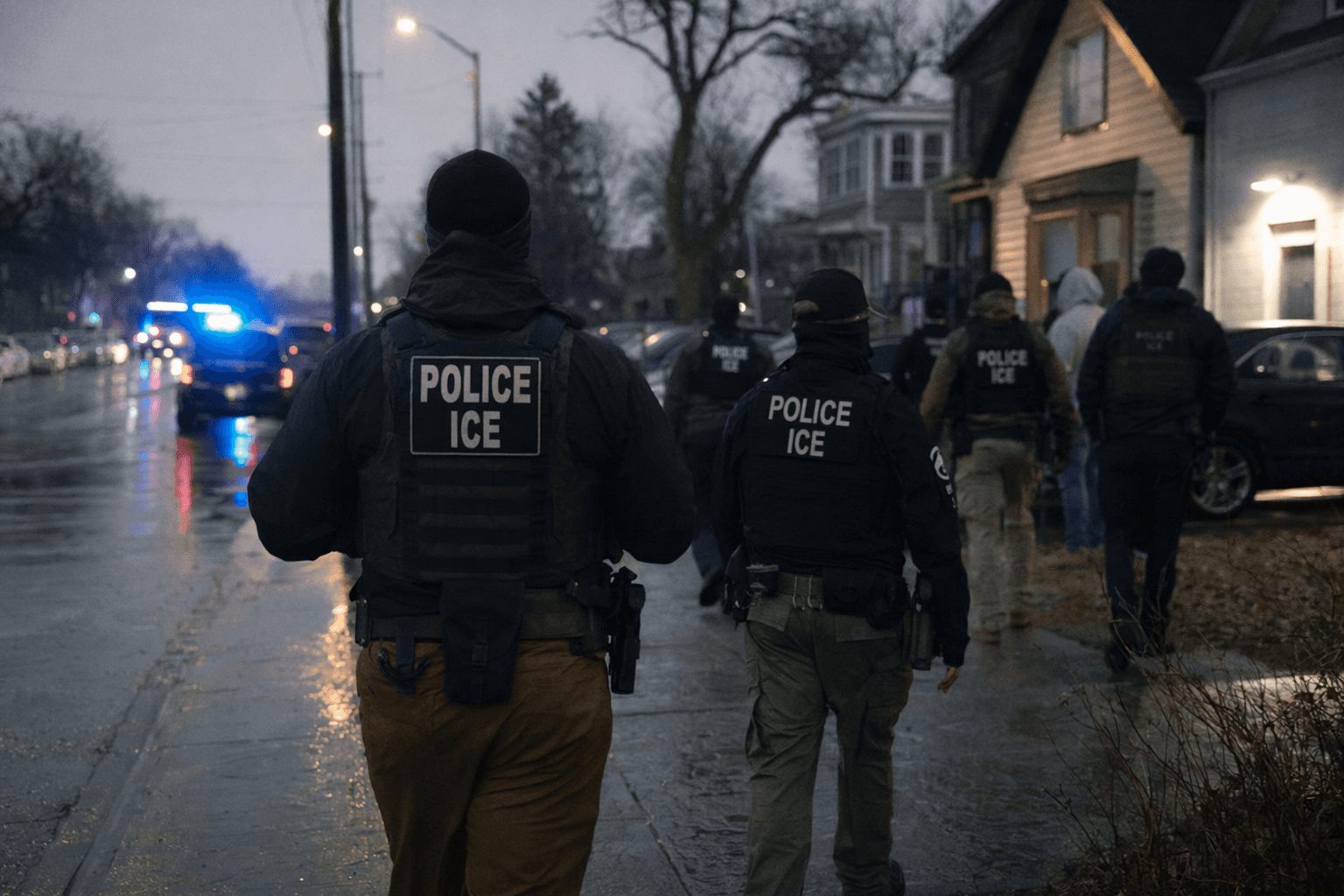
The slowdown also changed the mix of cases that did get filed. Some of the 90 felony cases involved immigration offenses, including unlawful return after deportation. Others were tied to protests over the crackdown. That shift underscored how a campaign presented as a hard-line response to violent crime ended up reshaping the broader docket in Minneapolis, where federal prosecutors normally handle the city’s more serious criminal cases.

Hennepin County Attorney Mary Moriarty said the local U.S. Attorney’s Office had been so weakened by departures and the diversion of staff into immigration enforcement that state prosecutors were being asked to pick up complicated matters. The result was a federal system in which the most visible enforcement priority crowded out other public-safety work, leaving drug, gun and gang investigations to slow or stop altogether.
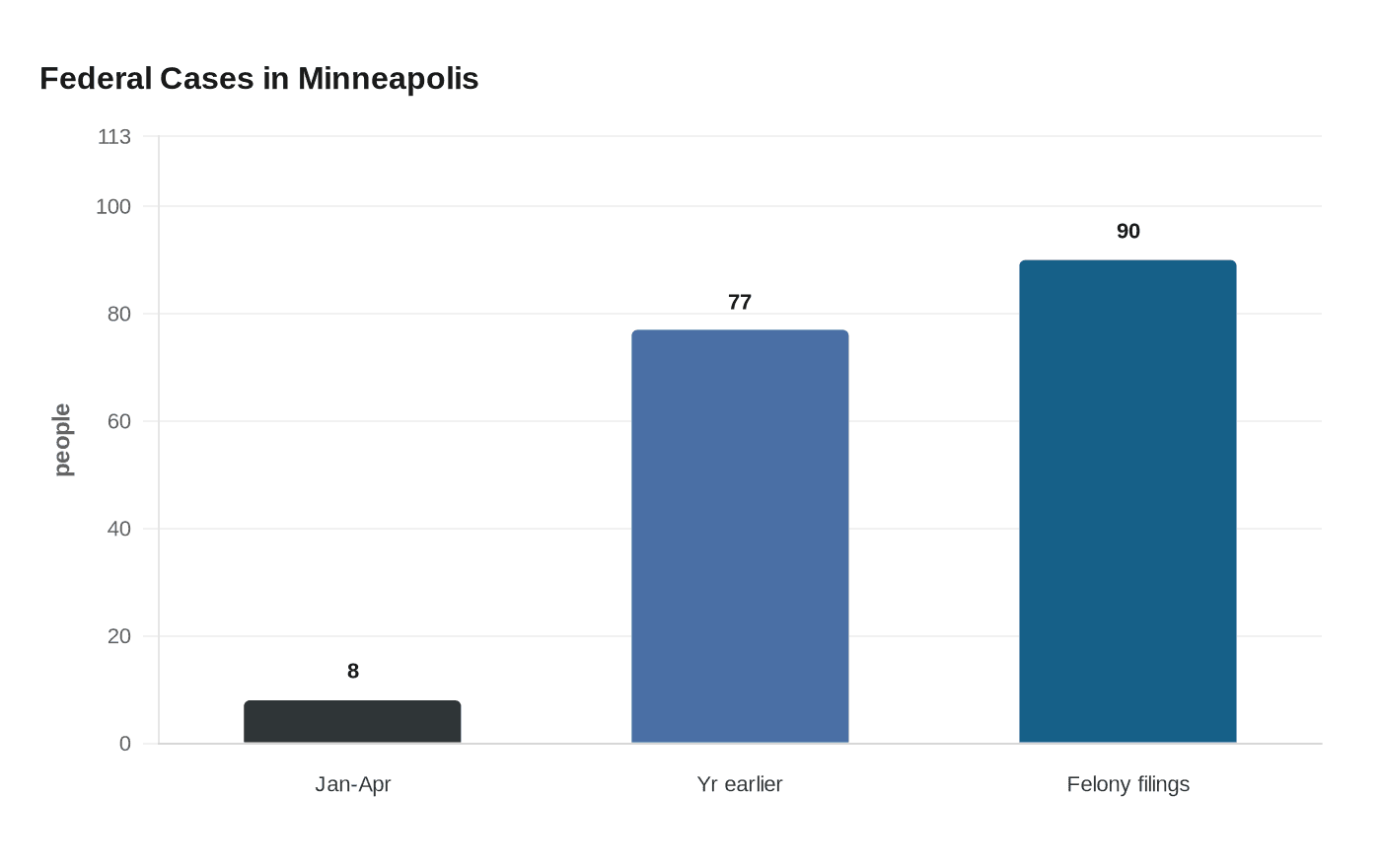
The episode shows the tradeoff inside large-scale immigration crackdowns: when the government shifts agents and prosecutors toward deportation and immigration cases, the cost can be measured in stalled violent-crime investigations, fewer felony filings and a thinner federal presence in court. In Minneapolis, that cost was visible in the numbers.
This article was produced by Prism’s automated news system from verified source data, official records, and press releases, then run through automated quality and moderation checks before publishing. The system is built and supervised by the people who set the standards it runs under. Read our full AI policy.
Did this article answer your question?

