Trump invokes Defense Production Act to boost weapons supply chain
Trump used wartime powers to target munitions bottlenecks, but the move mainly gives the Pentagon more leverage over suppliers than instant factory capacity.
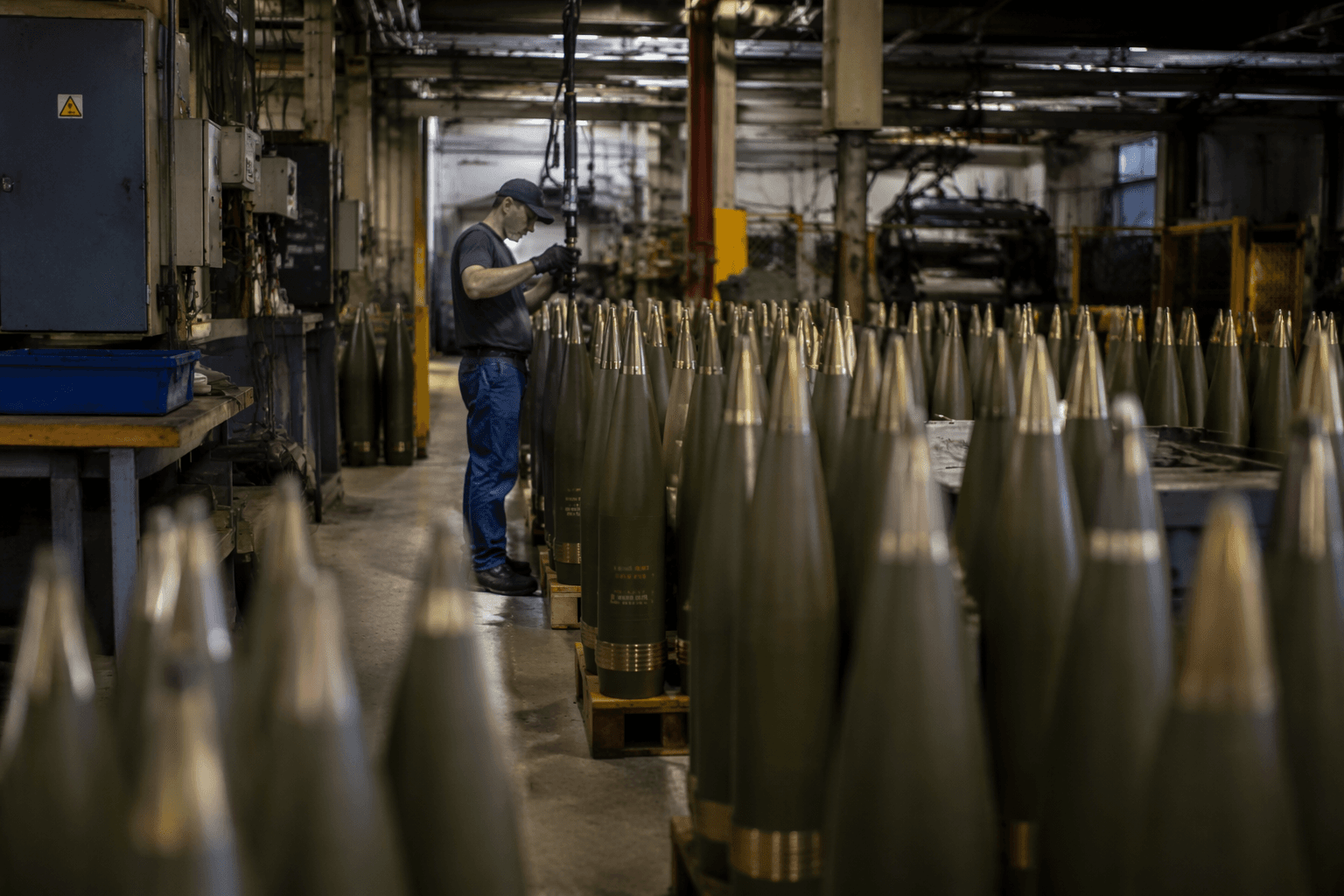
President Donald Trump has invoked the Defense Production Act to press the defense industry on a problem Washington has struggled to fix for years: the munitions supply chain is too tight, too slow and too dependent on a few hard-to-replace parts. The June 11 memo, made public Tuesday, said conditions may pose a direct threat to national defense or preparedness programs and pointed to limited production capacity, fragile supply chains, long-lead dependencies and related bottlenecks.
The administration singled out solid rocket motors, igniters and guidance systems as among the most capacity-constrained components. Those parts sit at the center of both existing weapons production and future modernization programs, which means shortages can slow restocking as well as new systems. In practical terms, the order does not create new plants overnight. It gives the White House and Defense Secretary Pete Hegseth a stronger legal footing to push suppliers, coordinate production and seek agreements that could help reroute scarce industrial capacity toward national defense needs.
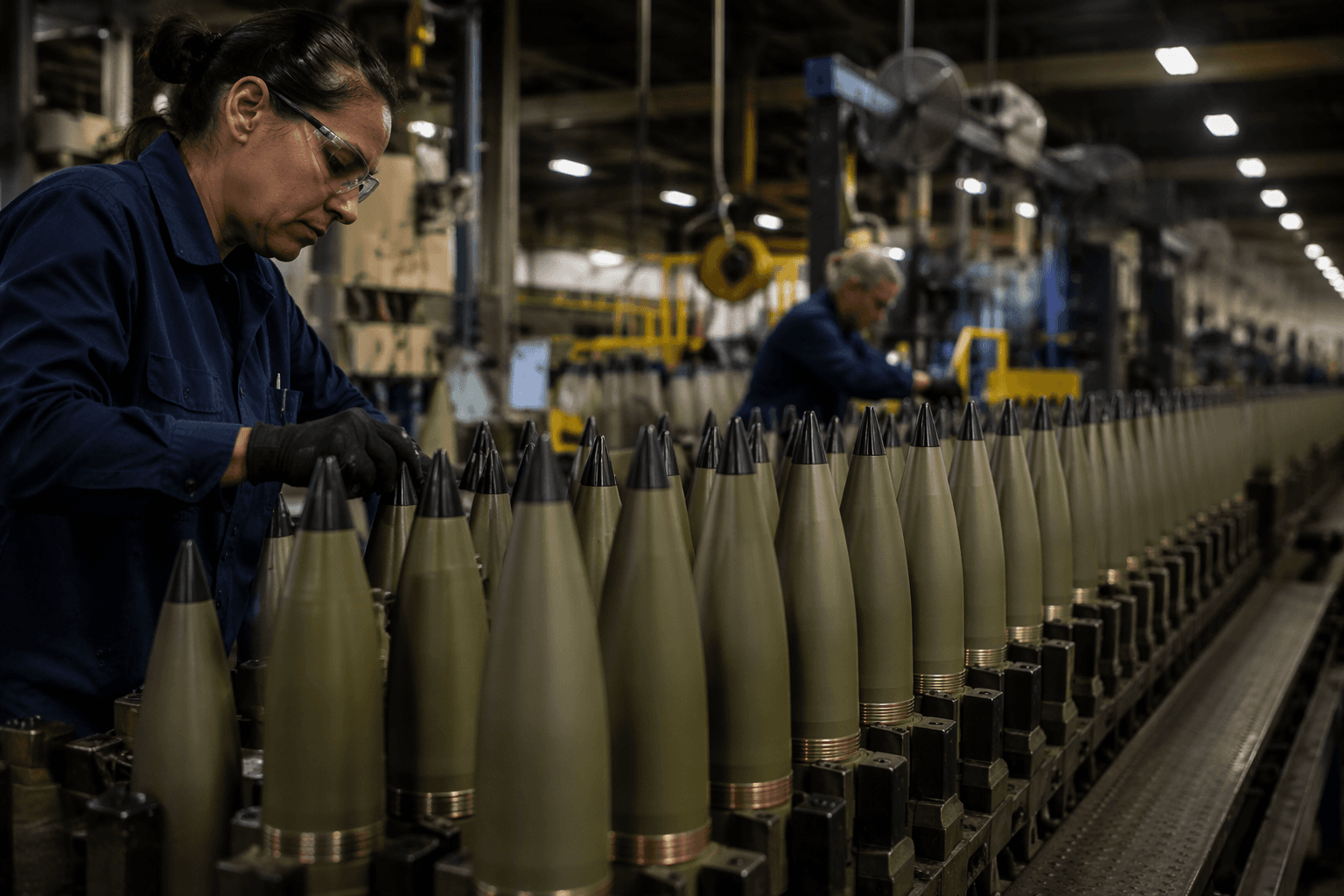
Section 708 of the Defense Production Act allows voluntary agreements and plans of action with industry, a tool meant to let government and private firms work together on defense requirements. The memo delegates authority to Hegseth to pursue those arrangements, underscoring that this is as much about organizing the industrial base as it is about spending money. That distinction matters: the bottleneck is not only battlefield demand, but the fragmented network of contractors, subcontractors and specialty suppliers that must align capital, labor and production time before any missile, interceptor or shell can be shipped.
The Government Accountability Office has said the most-used Defense Production Act authority from fiscal 2018 through 2024 was Title I priority ratings, and it has also found that Defense Department partners did not always understand how to apply those ratings throughout the supply chain. That history suggests the act can move work faster, but only when the government can translate authority into clear orders that reach every tier of production. If suppliers misread priorities, the leverage weakens before it reaches the factory floor.
The memo also fits a broader push to shore up the munitions industrial base. A June 12 Center for Strategic and International Studies report said accelerating missile-defense production requires a better understanding of the market and the challenges and opportunities for expansion. The Pentagon has separately announced a $1 billion direct-to-supplier investment to expand solid rocket motor capacity and strengthen industrial resilience. Together, the steps show an administration trying to treat industrial capacity as a national security issue in its own right. The memo is a real production lever, but only if the government can turn wartime-style authority into sustained output.
This article was produced by Prism’s automated news system from verified source data, official records, and press releases, then run through automated quality and moderation checks before publishing. The system is built and supervised by the people who set the standards it runs under. Read our full AI policy.
Know something we missed? Have a correction or additional information?
Submit a Tip