Trump IRS settlement creates $1.776 billion fund for alleged political victims
A $1.776 billion fund for alleged political victims could pay Jan. 6 defendants and others, while critics say it invites partisan restitution and exclusion.
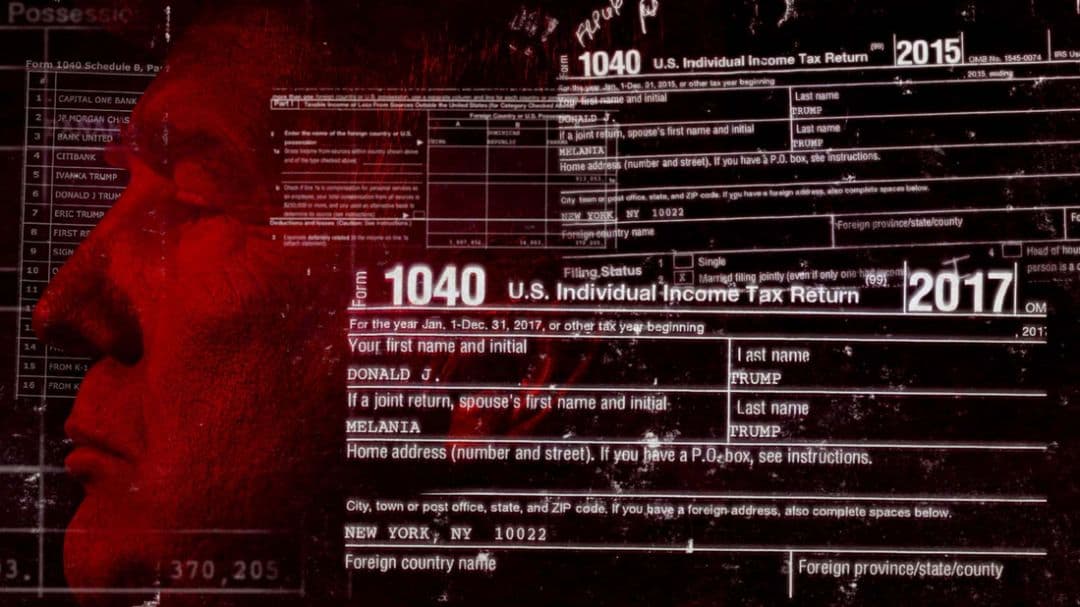
The Justice Department has created a $1.776 billion Anti-Weaponization Fund that could send taxpayer money to people who say they were harmed by politicized prosecutions, including nearly 1,600 people charged in connection with the Jan. 6, 2021, attack on the U.S. Capitol. The deal ended Donald Trump’s $10 billion IRS lawsuit over the leak of his tax returns, and while Trump, Donald Trump Jr., Eric Trump and the Trump Organization were set to receive a formal apology, they would get no direct monetary damages.
The central fight is over who counts as a victim, and who gets left out. The Justice Department said the fund will be run by a five-member commission appointed by the attorney general, with one member chosen in consultation with congressional leadership. The president can remove any member, though replacements must be chosen the same way. The department also said there are no partisan requirements to file a claim, and any unused money will revert to the federal government.
That structure has triggered a fresh battle over victimhood and exclusion. ABC News reported that the fund could cover people charged in connection with Jan. 6 and others claiming Biden-era weaponization, and Acting Attorney General Todd Blanche later would not rule out payments to violent Jan. 6 rioters. Critics say that makes the program look less like neutral restitution and more like a political instrument built to reward one side’s grievances while ignoring others.
The omission is what alarms opponents most. The fund was designed around alleged federal targeting of Trump allies, yet it does not address the broader universe of people Trump himself targeted during his first term and political rise, including critics, prosecutors and institutions singled out by his administration. That has fueled arguments that any future restitution program has to draw a line between genuine government abuse and partisan grievance, or risk becoming an engine for selective compensation.

The backlash has already spread through Washington, D.C. Senate Republicans delayed a vote on ICE funding because of the fund, with some GOP lawmakers voicing concern about legality and self-dealing implications. House Democrats moved to challenge the arrangement in court and through legislation, warning that it could finance rioters and other Trump allies. Watchdog groups and ethics experts have called it unprecedented and potentially illegal, while Blanche has defended the process as a lawful way to redress claims of politicized prosecution.
For now, the fund stands as a test case for a deeper question: how to compensate real government abuse without handing any administration a partisan checkbook.
This article was produced by Prism’s automated news system from verified source data, official records, and press releases, then run through automated quality and moderation checks before publishing. The system is built and supervised by the people who set the standards it runs under. Read our full AI policy.
Did this article answer your question?

