Trump leaves China summit with no major breakthrough on trade or Taiwan
Trump and Xi left Beijing with a future visit and promised farm purchases, but no hard deal on tariffs, Taiwan or Iran.

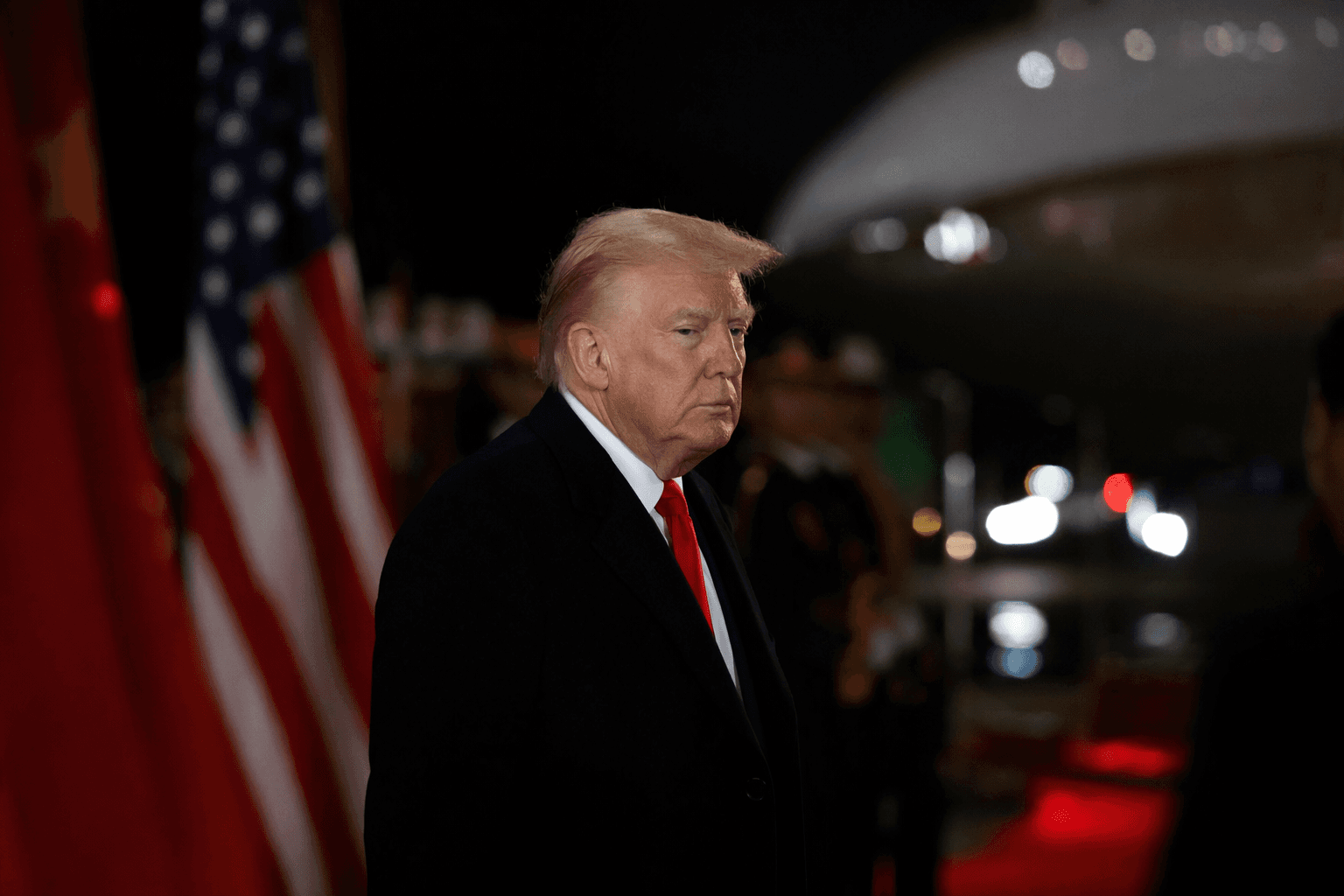
Trump’s Beijing summit produced warm language and little that can be measured on paper. After two days of talks with Xi Jinping, President Donald Trump called the meeting “very good,” but the concrete outcome was thin: no major breakthrough on trade, no tangible Chinese help on the Iran war, and no public settlement of the core disputes that drove the meeting in the first place.
The clearest deliverable was diplomatic, not commercial. Chinese Foreign Minister Wang Yi said Xi will visit the United States in the fall at Trump’s invitation. That keeps the channel open, but it is a promise of another meeting, not a signed agreement. Xi also used the summit to press Taiwan as a central issue, warning Trump behind closed doors that mishandling the island could spiral into conflict. Trump later said Xi told him he opposed Taiwan independence, while Trump said he made no commitment either way.
Trade was the other headline item, yet the published readouts did not show a grand bargain. U.S. Trade Representative Jamieson Greer said Washington expects China to sign up for “double-digit billions” worth of U.S. farm goods over the next three years, building on the 25 million metric ton per year soybean deal agreed last October. Greer said the new package would be broader than soybeans alone. Even so, there was no announced tariff rollback, no detailed purchase schedule, and no verifiable enforcement mechanism attached to the expected buying pledge.
The summit also touched rare earths, artificial intelligence and the war in Iran, but those discussions did not yield a public resolution. That gap matters because the White House had gone into the talks pressing for larger Chinese purchases of American soybeans, Boeing aircraft and other goods, while Beijing made clear that Taiwan would be central to any broader understanding. On the public record, the result looked less like a sweeping reset than a managed pause.
That is why analysts described the meeting as about “stabilization” rather than a grand bargain. Graham Allison said, “The big word will be stabilization.” The phrase fits the political choreography: a two-day summit in Beijing, a first U.S. presidential visit to China since Trump’s 2017 trip, and a flurry of mutually flattering signals. But for all the optics, the substantive ledger still showed more ambition than delivery.
The stakes remain enormous. The United States, China and the European Union together account for about 60% of global GDP, which is why even a limited thaw can move markets and shape alliances. Yet after this summit, the biggest question is still the same one that brought both leaders to the table: what, exactly, changed beyond the promise to keep talking?
Know something we missed? Have a correction or additional information?
Submit a Tip