Trump-Netanyahu rift grows over U.S.-Iran ceasefire deal
Trump and Netanyahu split openly after a 14-point U.S.-Iran ceasefire deal reopened the Strait of Hormuz and left Israel uneasy about its freedom of action.
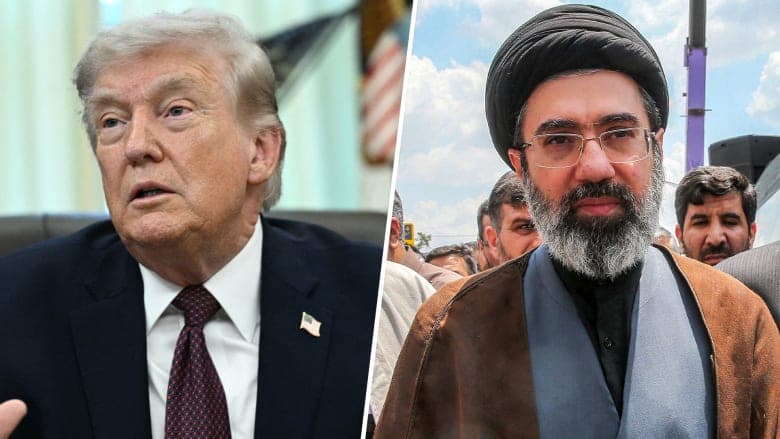
A 14-point memorandum of understanding signed electronically on June 18, 2026, between the United States and Iran has exposed a public break between Donald Trump and Benjamin Netanyahu, with the ceasefire deal reopening the Strait of Hormuz and setting off Israeli concerns about future military freedom of action. The arrangement is meant to hold for 60 days, then move into direct talks over Iran’s nuclear program, but Trump has already warned that the U.S. could resume bombing Iran if Tehran does not comply.
U.S. officials said the memorandum was a provisional framework, not a final peace settlement. Trump called Netanyahu a “very difficult guy” while making clear that military pressure could return if negotiations fail.
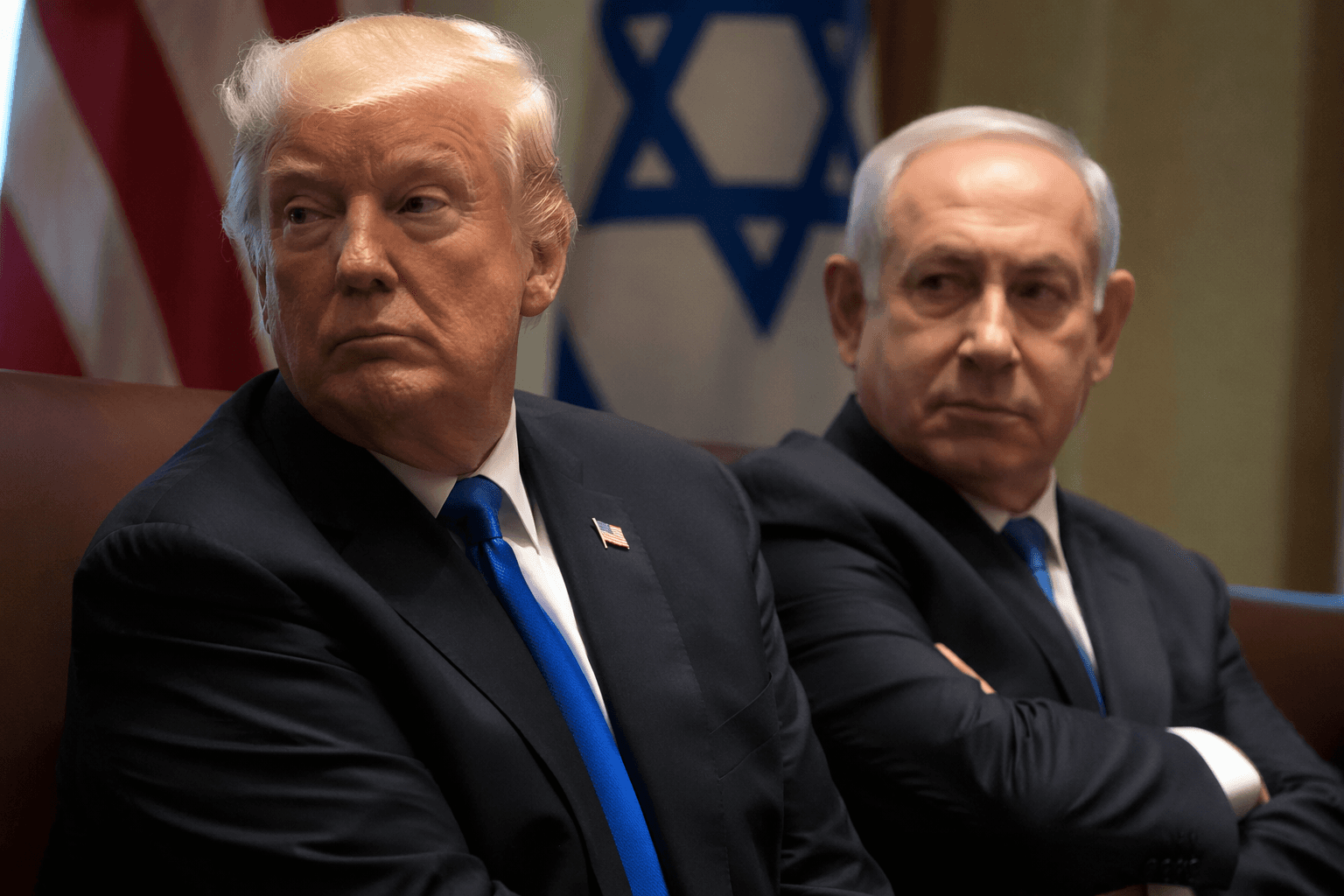
On June 12, Trump told Netanyahu that it was time to end the war, and warned Netanyahu against turning the exchange of fire into a full-scale war. Israeli concern is not only about Iran itself, but about whether Washington’s new channel to Tehran will limit Israel’s ability to strike again without risking a clash with its most important ally.
Money has become part of that dispute. Iran’s Revolutionary Guard claimed Tehran would receive half of roughly $24 billion in long-frozen funds before final negotiations, while a U.S. official said no money would be released until Iran demonstrated compliance. Washington is pressing for a monitored pause and broader settlement, while Netanyahu is wary of any deal that could give Iran relief without permanently weakening its military reach.
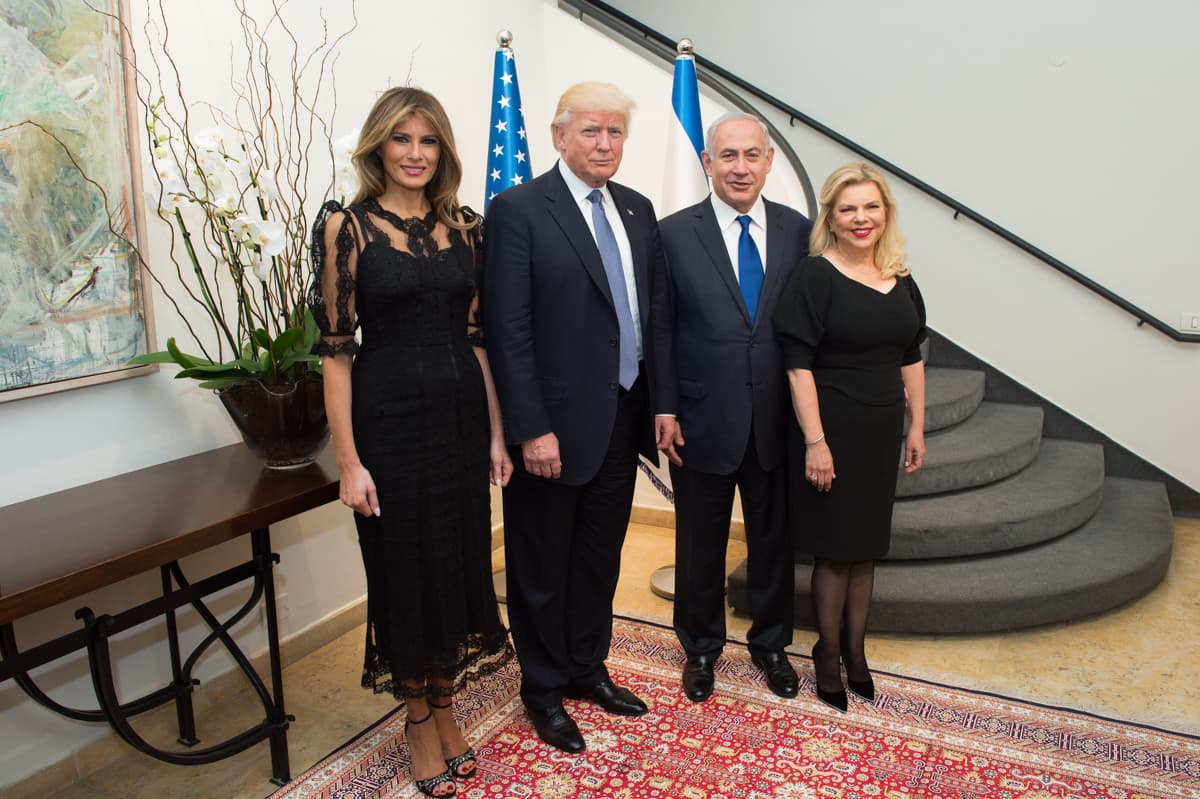
Israeli officials have also said they are not bound by the U.S.-Iran agreement as it relates to Hezbollah or a withdrawal from Lebanon, even though Trump, Iran and mediators said the ceasefire covers hostilities on all fronts, including Lebanon.
This article was produced by Prism’s automated news system from verified source data, official records, and press releases, then run through automated quality and moderation checks before publishing. The system is built and supervised by the people who set the standards it runs under. Read our full AI policy.
Did this article answer your question?