Trump order curbs Census privacy tools, threatening detailed redistricting data
A new Trump order strips Census privacy tools that protect detailed redistricting data, forcing agencies to choose between blurrier numbers or no numbers at all.

A Trump administration order has cut off one of the Census Bureau’s main privacy tools just as the agency prepares the 2030 Census, putting the most detailed redistricting numbers at risk. The change matters far beyond census jargon: if federal statisticians cannot preserve confidentiality without altering the data, state and local mapmakers may get only rougher counts, and some neighborhood and rural-county figures may never be released.
The Census Bureau has long said disclosure avoidance is what lets it publish useful statistics without exposing any one person’s information. Since the 1990 Census, the bureau has added small random changes, known as noise, to some products to protect confidentiality, while leaving the state-level counts used for congressional apportionment and Electoral College votes untouched in 2020. For the detailed demographic data used to redraw voting districts, however, the bureau did use privacy-protection methods involving noise.
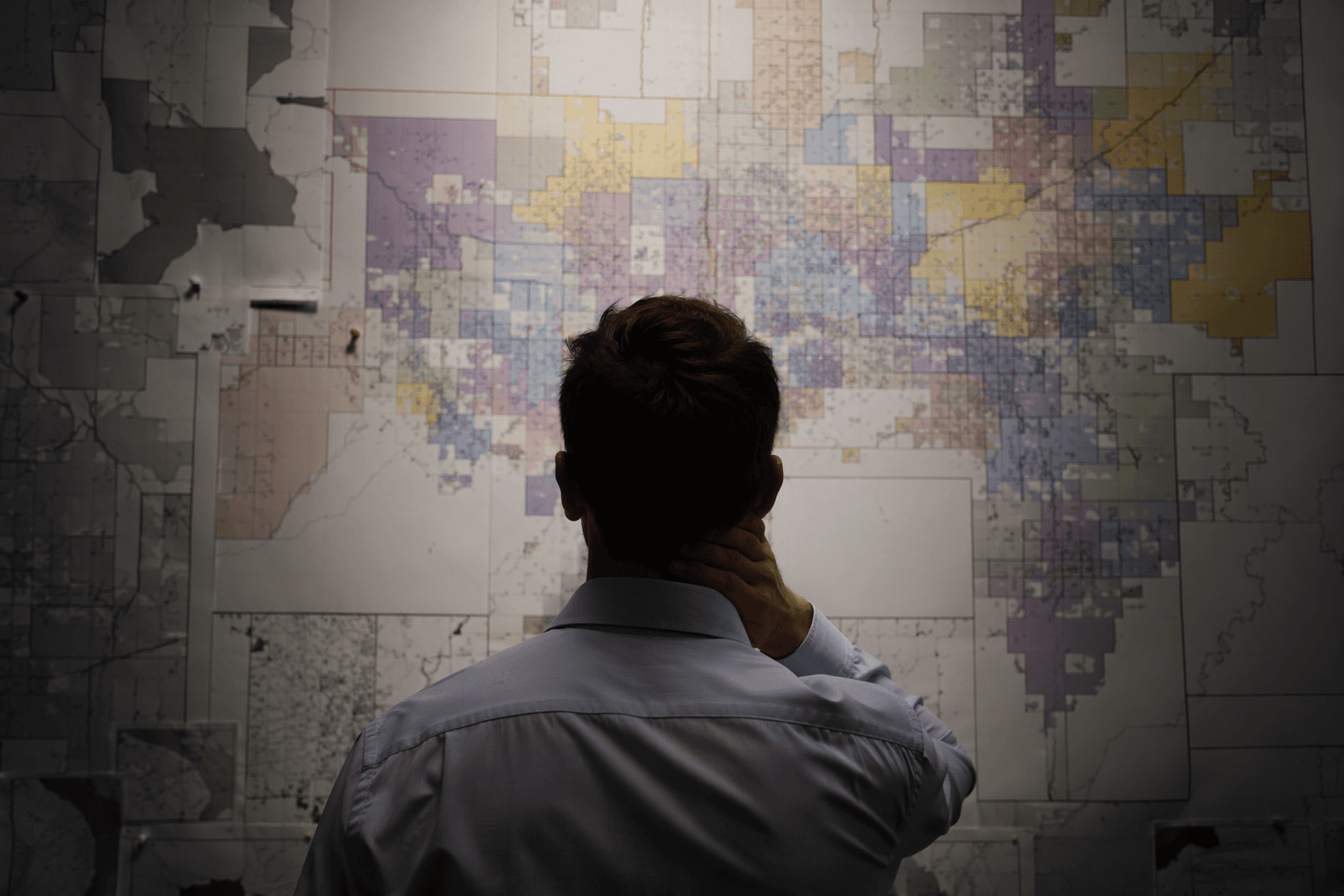
That approach is now under pressure. In a June 17, 2025 blog post, the Census Bureau said planning for the 2030 Census was already underway, with researchers testing changes, soliciting stakeholder feedback and weighing tradeoffs among accuracy, data availability and confidentiality. The new order bans noise infusion for both the Census Bureau and the Bureau of Economic Analysis, leaving the agencies with two options: release coarsened statistics with fewer details or withhold some statistics entirely.
John Abowd, the Census Bureau’s former chief scientist, said the 2030 redistricting files would have to be “completely redesigned” under the ban. Beth Jarosz of Georgetown University’s Massive Data Institute warned that neighborhood-level and rural data could no longer be publishable, including counties with only a few hundred residents. That would be a major break from the bureau’s long-standing effort to keep statistics detailed enough to serve policymakers, researchers and map drawers without compromising privacy.
The change also lands after another Trump-era move that rattled data experts and civil rights advocates. On March 4, 2025, the administration eliminated the Census Bureau’s advisory committees, which NALEO Educational Fund called a “setback ahead of the 2030 Census,” saying it could weaken public trust and the bureau’s ability to secure participation. The bureau has said its final 2030 disclosure-avoidance design will be chosen by its data stewardship committee, made up of career executives. With the noise ban in place, that decision now carries outsized stakes for how much of the country can still be measured block by block.
This article was produced by Prism’s automated news system from verified source data, official records, and press releases, then run through automated quality and moderation checks before publishing. The system is built and supervised by the people who set the standards it runs under. Read our full AI policy.
Did this article answer your question?

