Trump order targets birthright citizenship, setting off legal fight
Trump signed two orders aimed at birthright citizenship, including birth tourism, reigniting a direct clash over the 14th Amendment and executive power.
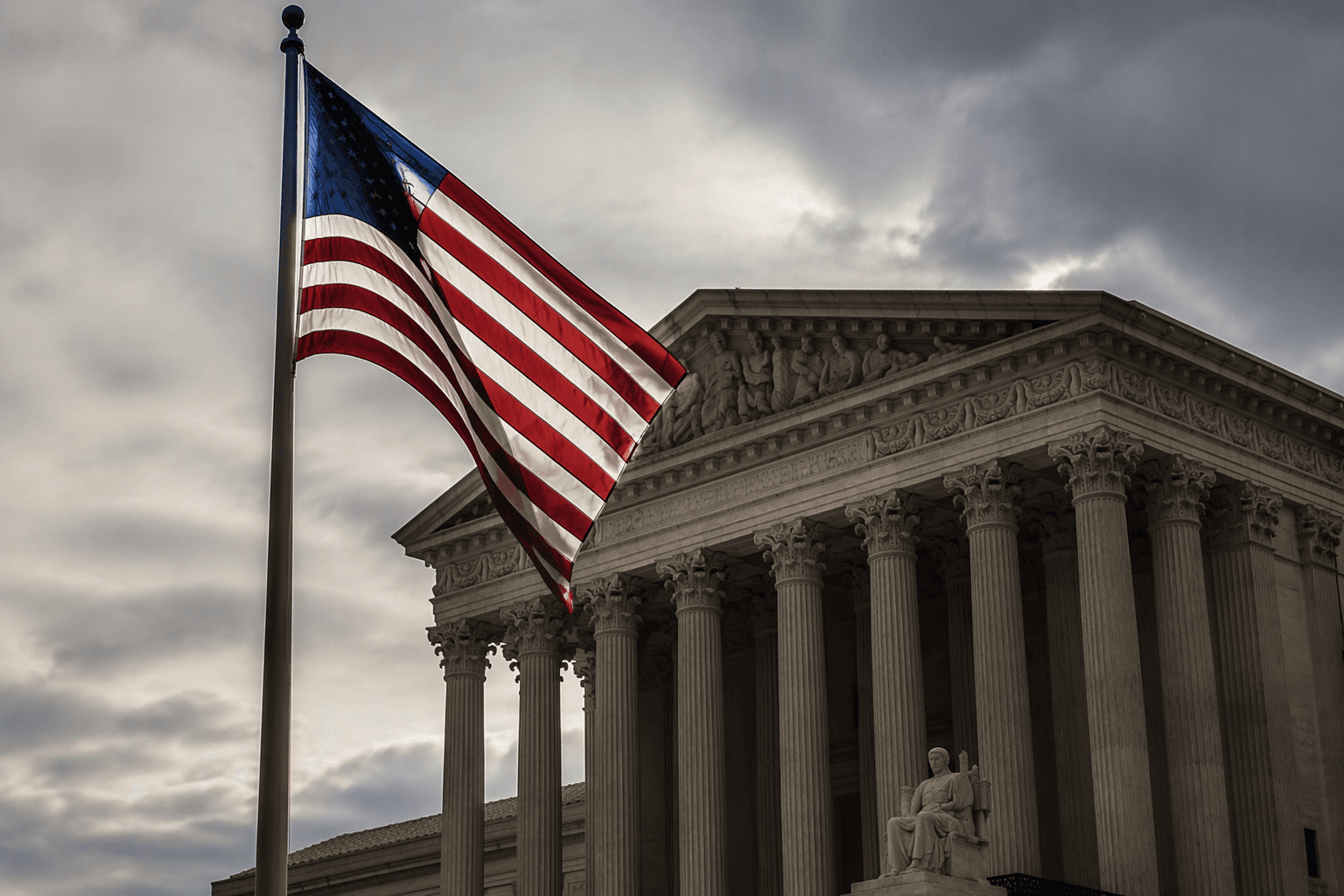
President Donald Trump signed two executive orders on Aug. 6 targeting birthright citizenship, reopening a direct challenge to the 14th Amendment and the Supreme Court’s long-standing reading of it. The orders also aimed at birth tourism and were expected to trigger immediate lawsuits from civil rights groups, Democratic-led states and immigration advocates.
At the center of the fight is the Citizenship Clause, which has long been understood to guarantee citizenship to most people born on U.S. soil. The leading precedent is United States v. Wong Kim Ark, the 1898 Supreme Court case that held that a child born in San Francisco to Chinese immigrant parents was a U.S. citizen under the 14th Amendment. A January 27, 2025, look back at that decision by the National Constitution Center underscored how central Wong Kim Ark remains to the modern birthright citizenship debate.
The new orders came after a legal defeat for Trump’s earlier effort to narrow automatic citizenship. On June 30, 2026, the Supreme Court issued a ruling that rejected that earlier attempt, after hearing oral argument in Trump v. Barbara. Even before the latest orders, immigrant-rights groups had responded with litigation: in June 2025, advocates filed a nationwide class-action lawsuit over Trump’s first birthright citizenship order.
The American Civil Liberties Union said Barbara v. Donald J. Trump was a nationwide class action brought on behalf of children who would be denied citizenship under the order. The coalition included the ACLU of New Hampshire, the ACLU of Maine, the ACLU of Massachusetts, the Legal Defense Fund, Asian Law Caucus and the Democracy Defenders Fund. The group said the administration’s move was unconstitutional and would put newborns in harm’s way.
The practical consequences would reach far beyond the courtroom. Hospitals, state vital-records systems and Social Security administration procedures all assume that children born in the United States are citizens unless a court says otherwise. If any part of Trump’s order were allowed to take effect, families, local governments and federal agencies could face immediate uncertainty over who receives birth certificates, Social Security numbers and the benefits that follow citizenship at birth. That administrative strain is one reason legal scholars have treated the issue as a high-stakes test of executive power, not just another immigration dispute.
The latest orders suggested Trump was pursuing a narrower route after the Supreme Court setback, but the core constitutional question remained the same: whether a president can narrow a guarantee embedded in the 14th Amendment through executive action. The answer was headed back to federal court almost immediately.
This article was produced by Prism’s automated news system from verified source data, official records, and press releases, then run through automated quality and moderation checks before publishing. The system is built and supervised by the people who set the standards it runs under. Read our full AI policy.
Did this article answer your question?