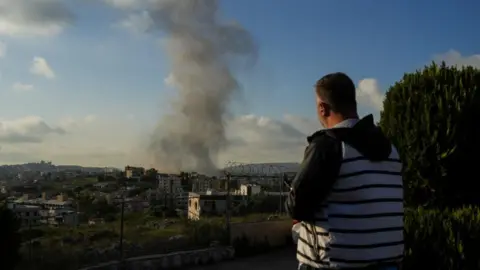
Trump Orders 5,000 Troop Withdrawal From Germany After Merz Clash
Berlin treated Trump’s troop threats as bluster, then the Pentagon ordered 5,000 U.S. soldiers out of Germany after Merz’s clash with the White House.
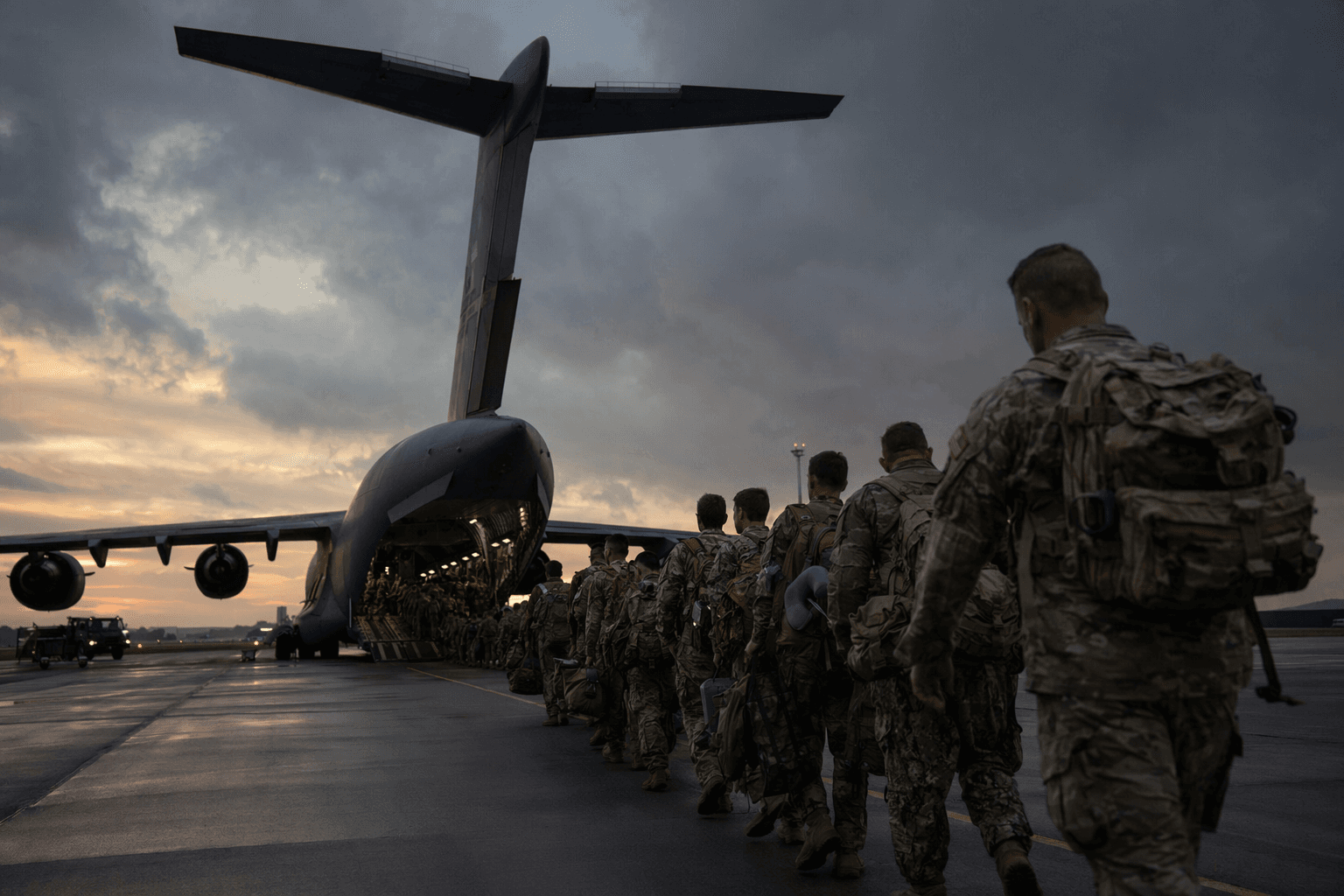
Donald Trump’s warning to Germany turned into a concrete military cut after Friedrich Merz misjudged how far the president would go. Berlin had not seen a sign that Trump’s threat to pull troops was empty, and by Friday the Pentagon had ordered about 5,000 U.S. personnel out of Germany over the next six to 12 months.
The clash began on April 27, when Merz said Iran’s leadership was humiliating the United States and questioned what exit strategy Washington was pursuing. Trump fired back the next day, accusing Merz of misunderstanding the conflict and telling him not to interfere. On April 29, Trump said the United States was “studying and reviewing” a possible reduction of troops in Germany, and German officials said they were “prepared” for such a move while stressing the need for a reliable transatlantic partnership.
That bet on restraint collapsed on May 1, when the Pentagon confirmed the withdrawal. The cut is small relative to the full American footprint, but in Germany it carries disproportionate weight. The country hosts roughly 36,000 to 38,000 U.S. troops, along with key command hubs including U.S. European Command and U.S. Africa Command, making it one of Washington’s most important military platforms in Europe.
The episode exposed a familiar European error: taking Trump’s threats as leverage rather than as a possible policy shift. Germany has seen this play before. In June 2020, Trump announced plans to remove about 9,500 troops from roughly 34,500 then stationed in Germany. That drawdown never fully happened and was later halted by President Joe Biden, reinforcing the idea in Berlin that Trump’s rhetoric could outpace his follow-through.
History gives the latest cut added force. The U.S. presence in Germany peaked at more than 250,000 during the Cold War, and even a reduction of 5,000 now is likely to reverberate through NATO politics, European deterrence planning and Germany’s long-running debate over burden-sharing. German Defense Minister Boris Pistorius said Europeans must take greater responsibility for their own security, a warning that the dispute over Iran had quickly widened into a broader test of the alliance.
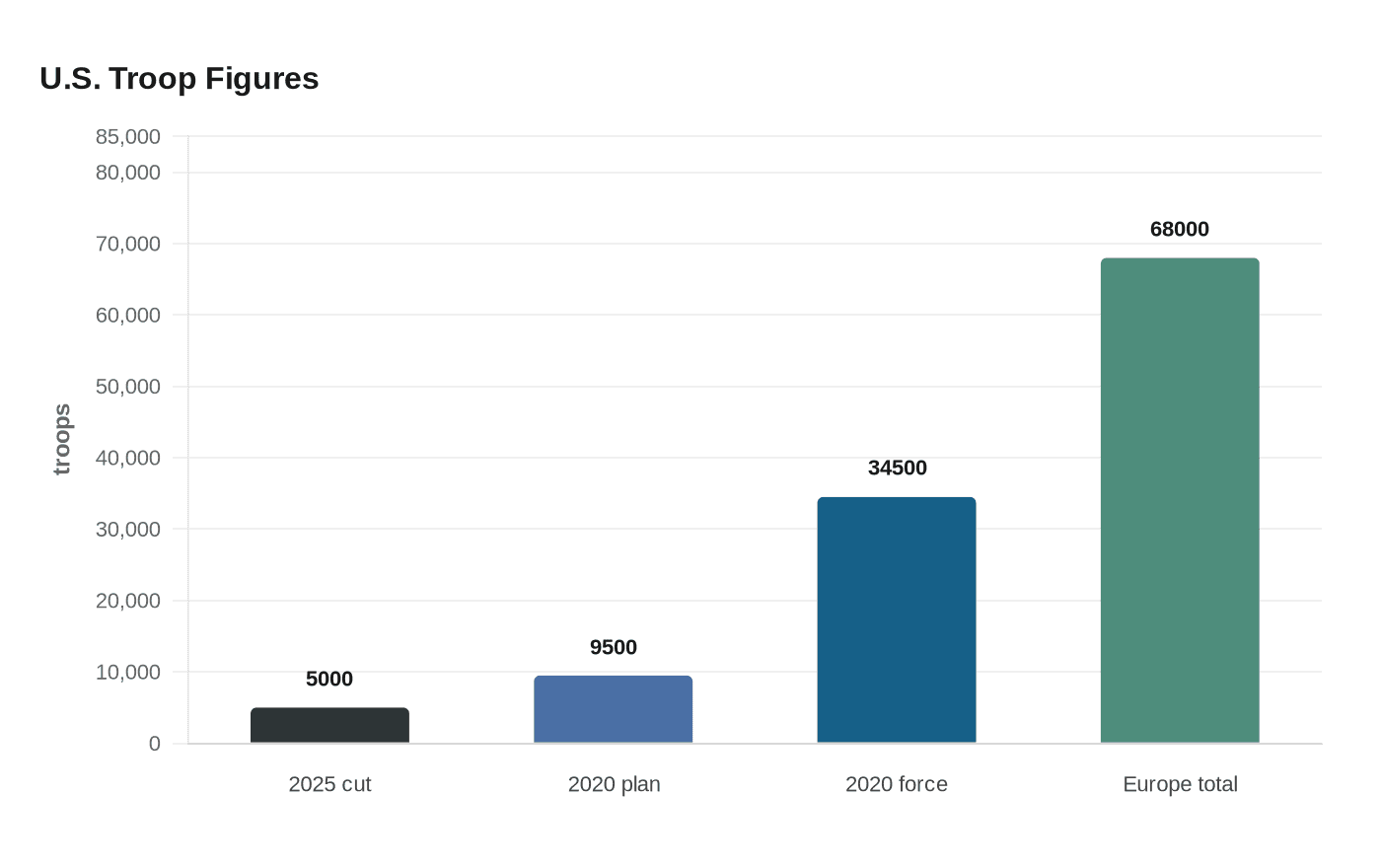
The decision also lands as the U.S. military posture in Europe remains heavily concentrated in Germany. A large share of the more than 68,000 active-duty U.S. personnel assigned permanently in Europe as of December 2025 were based there, meaning any change in Germany echoes well beyond one bilateral dispute.
Know something we missed? Have a correction or additional information?
Submit a Tip