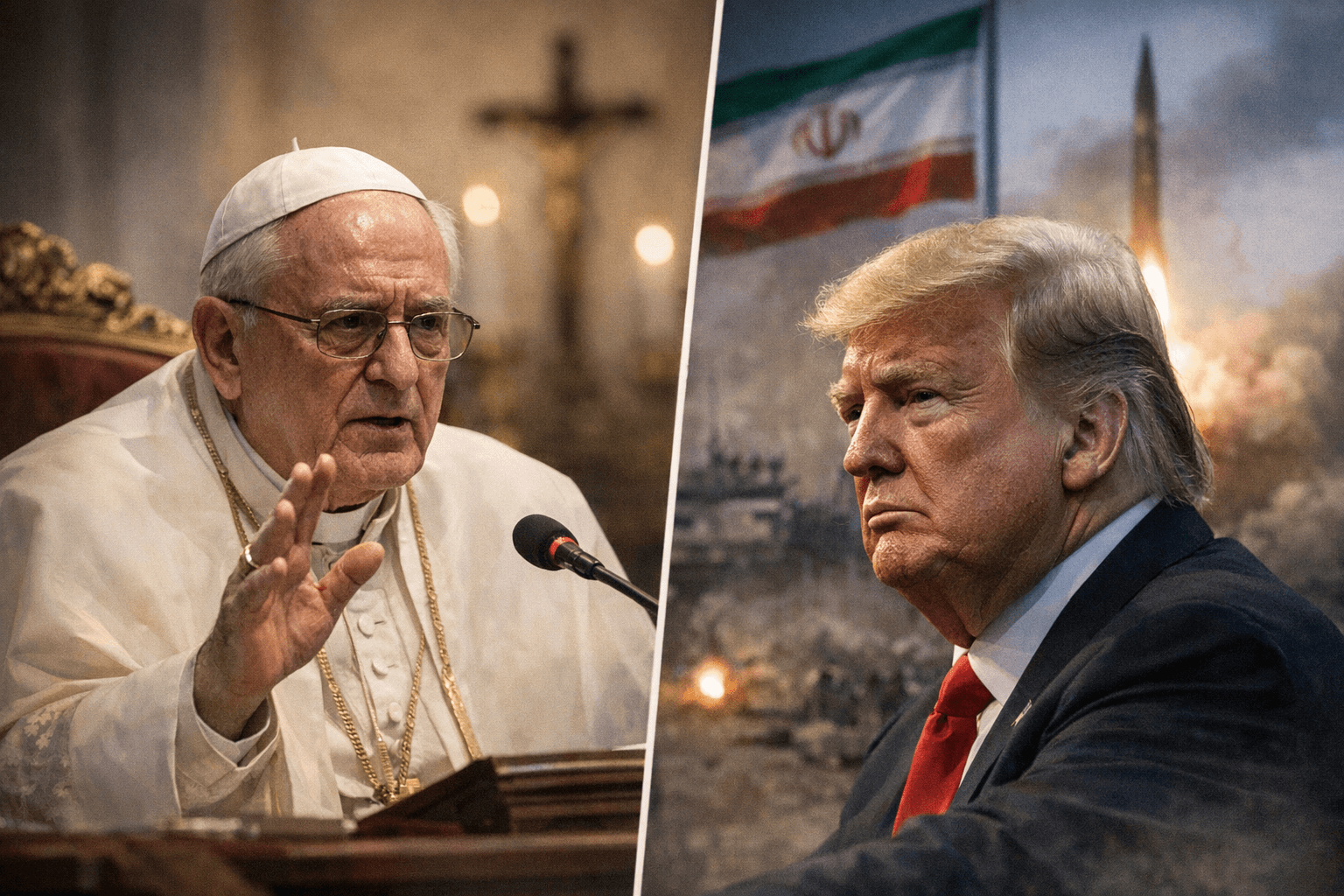
Trump orders U.S. blockade of Strait of Hormuz after failed talks
Trump ordered the Navy to block ships entering and leaving the Strait of Hormuz, raising the risk of a direct clash over the world’s busiest oil chokepoint.
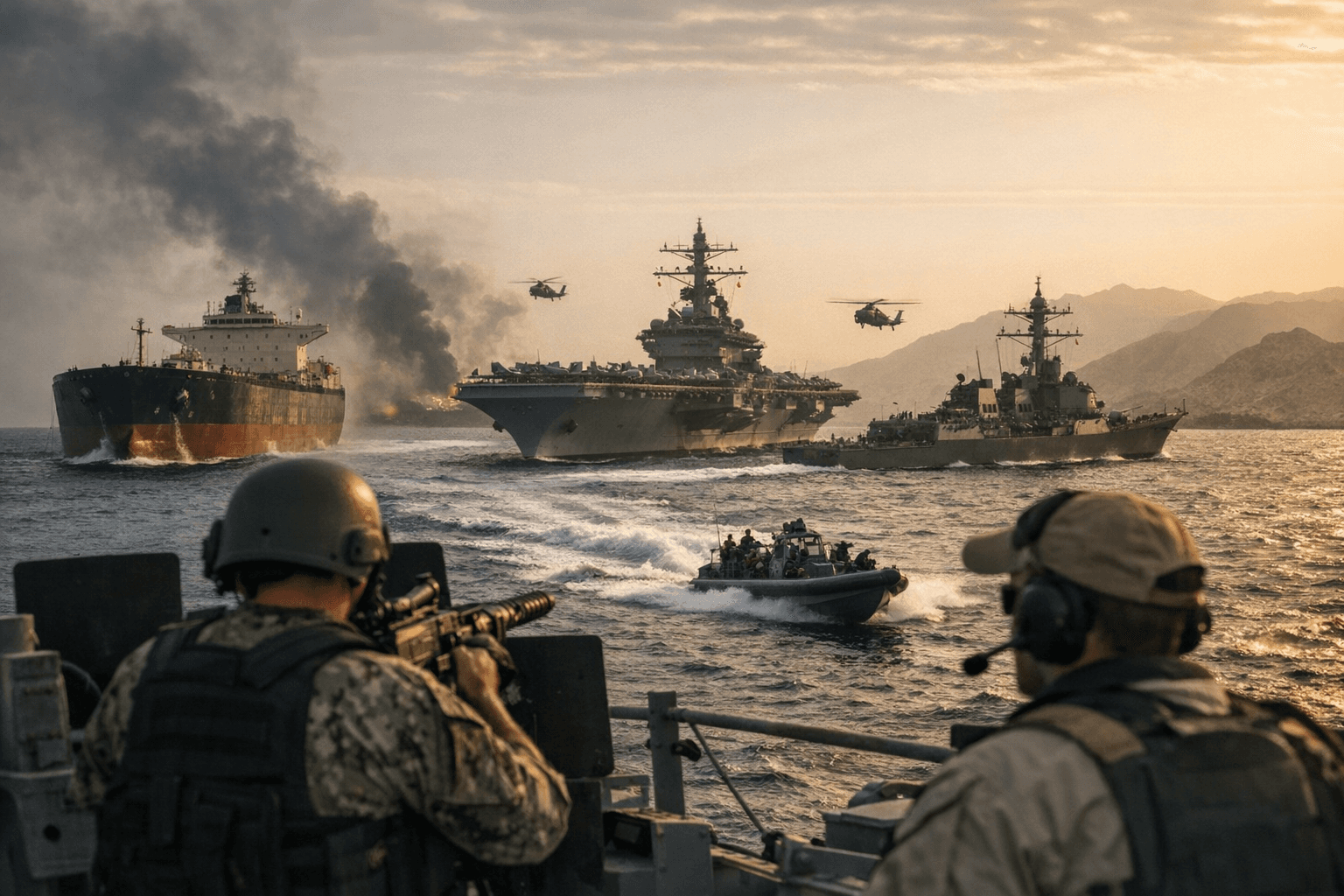
Donald Trump ordered the U.S. Navy to begin blockading ships entering or leaving the Strait of Hormuz “effective immediately” after weekend talks in Islamabad failed to produce a new deal. He said U.S. forces would also “seek and interdict every vessel in International Waters that has paid a toll to Iran” and would begin “destroying the mines the Iranians laid in the Straits,” a forceful step that moved the dispute from diplomacy into direct naval enforcement.
The order goes far beyond routine sanctions pressure. A blockade of a foreign chokepoint is a wartime measure in practice, and intercepting third-country ships in international waters would test how far a president can go without explicit congressional authorization or a broader international mandate. It also raises the stakes beyond the tolling system Iran is already accused of using to extract payment from ships seeking passage.
The Strait of Hormuz carries about 20 million barrels a day of crude oil and petroleum products, roughly 25 percent of the world’s seaborne oil trade, according to the International Energy Agency. It is the primary export route for Saudi Arabia, the United Arab Emirates, Kuwait, Qatar, Iraq, Bahrain and Iran. Any sustained disruption would force shippers to pay higher war-risk insurance, reroute vessels and absorb longer transit times, costs that usually work their way into fuel prices and, ultimately, U.S. gas prices.
Markets have already been signaling the danger. Reuters reported that three fully laden supertankers passed through the strait on April 11, apparently the first vessels to exit the Gulf since the conflict escalated, while USNI News said traffic was still moving only in a slow trickle through a permission-based route some operators call the “Tehran Tollbooth.” The IEA said its member countries agreed to release emergency oil stocks as the disruption deepened, and the EIA has warned in one scenario that production shut-ins could reach 6.7 million barrels a day in May if flows remain impaired.
The diplomatic fallout is widening as well. The United Kingdom said it would not take part in the U.S. blockade, even as it backed freedom of navigation and worked with France and other partners on a coalition. China and Russia vetoed a United Nations resolution aimed at reopening the waterway, and the IEA notes that the strait has never been truly closed, though it has been disrupted before, most notably during the 1980s Tanker War. If Trump now tries to stop ships that have paid Iran, the confrontation would move from sanctions enforcement toward a direct challenge over who controls one of the world’s most dangerous maritime chokepoints.
Sources:
Know something we missed? Have a correction or additional information?
Submit a Tip