Trump pardons six in emissions tampering cases, calls prosecutions weaponization
Trump pardoned six people in emissions tampering cases, casting Clean Air Act prosecutions as "fixing their car" and escalating a fight over environmental enforcement.
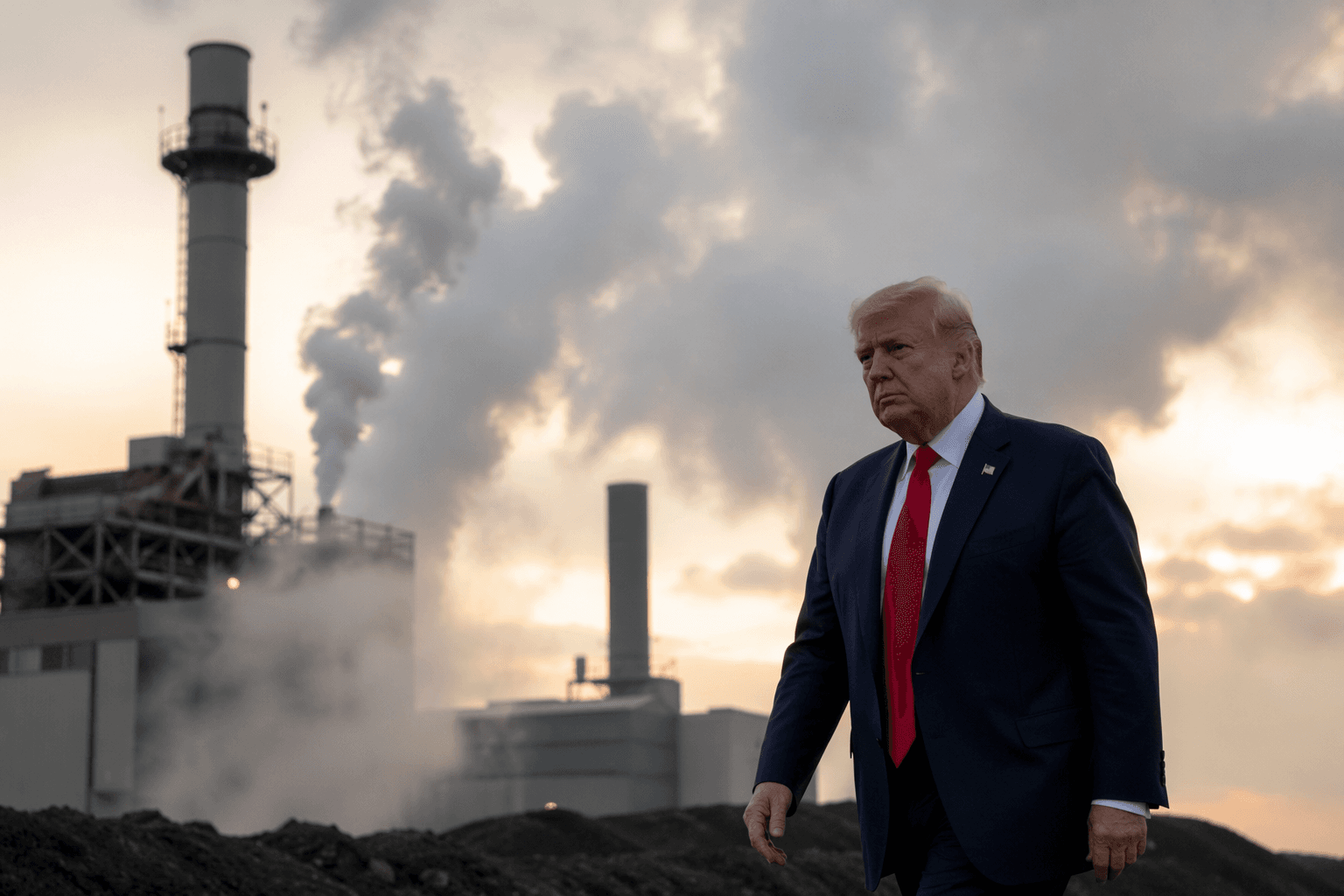
President Donald Trump pardoned six people on Friday, saying they had been wrongfully prosecuted for “fixing their car” and denouncing the cases as “weaponization and stupidity” by federal prosecutors. The move goes beyond a single set of defendants: it signals how the administration intends to treat environmental enforcement when violations are reframed as ordinary consumer repair.
The White House did not immediately identify the six people pardoned. Trump had earlier told CBS News he planned to pardon defendants prosecuted for tampering with air pollution control equipment in vehicles, conduct that falls under the Clean Air Act and has been a target of federal enforcement for years. The cases at issue were not routine mechanical disputes. They involved defeat devices and other modifications used to disable emissions controls on diesel engines and commercial trucks.
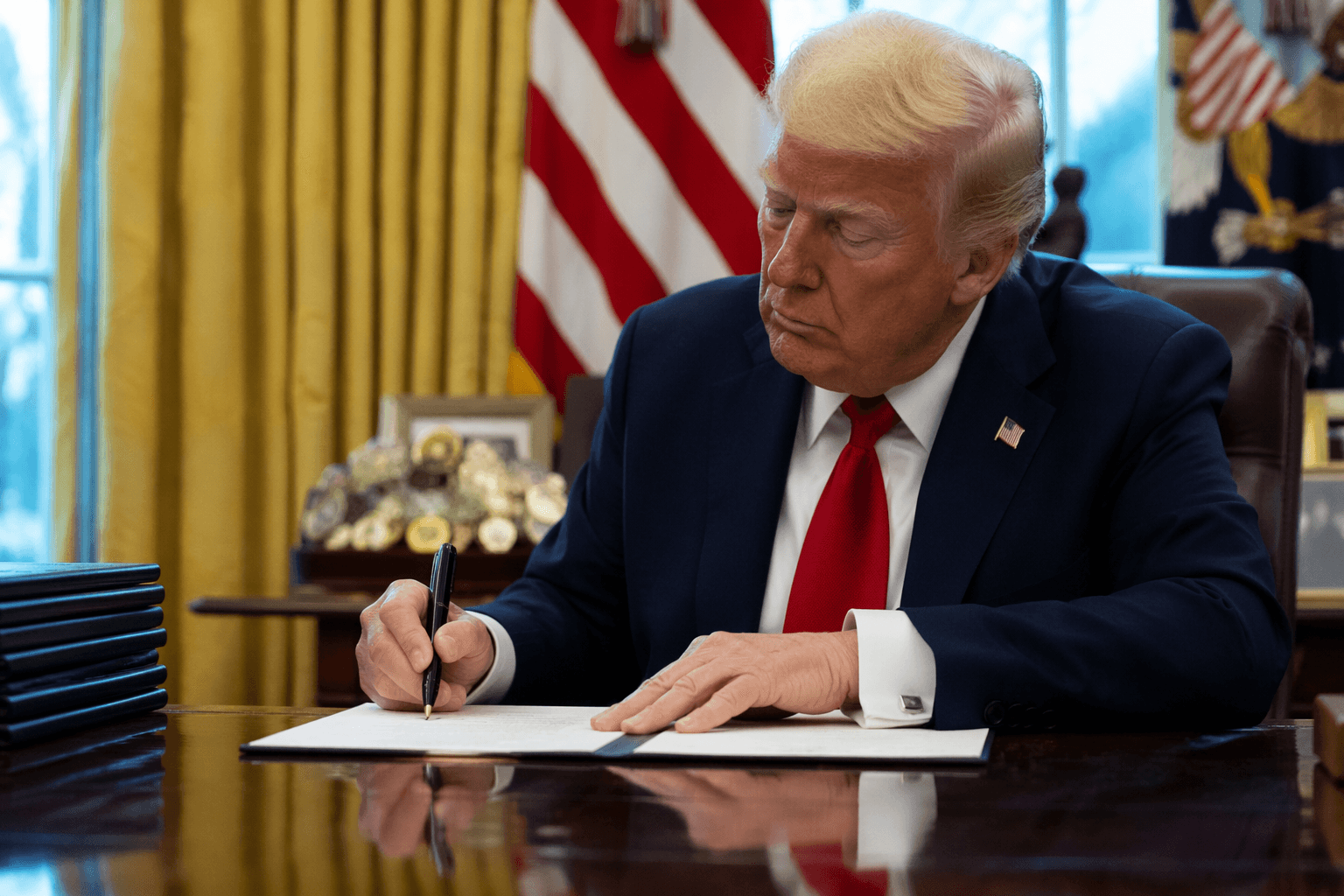
The clearest precedent is Troy Lake, a Wyoming mechanic whom Trump granted clemency last fall after Lake served seven months in prison. POLITICO reported that Lake had pleaded guilty to conspiracy to violate the Clean Air Act and was sentenced to one year and one day in prison after the Justice Department and the Environmental Protection Agency said he disabled pollution control monitors on hundreds of commercial diesel trucks. That punishment was unusually severe for this type of environmental crime, and Lake’s clemency became a reference point for others seeking relief.
The political and legal stakes widened earlier this year, when the Justice Department ordered prosecutors to drop all pending prosecutions and investigations related to aftermarket defeat devices, the equipment used to defeat emission controls. That decision, paired with the pardons, leaves regulators and prosecutors with a shrinking federal enforcement posture even as tampering with pollution systems can increase soot and other harmful emissions from heavy-duty vehicles.
The pardon drive has also drawn attention to the mechanics and intermediaries pressing for relief. POLITICO reported that a growing number of people convicted under the Clean Air Act were seeking pardons after Lake’s case. The same report quoted former EPA enforcement official Gary Jonesi, who said he had never heard of a pardon for an environmental crime during nearly four decades at the agency. It also reported that lobbying disclosures showed pardon advocate Jeff Daugherty had made at least $50,000 from pardon advocacy.
For automakers, diesel shops and fleet operators, the message is stark: the legal line around emissions tampering is now being tested not just in court, but in the White House.
This article was produced by Prism’s automated news system from verified source data, official records, and press releases, then run through automated quality and moderation checks before publishing. The system is built and supervised by the people who set the standards it runs under. Read our full AI policy.
Did this article answer your question?