Trump plan would raise citizenship application fees, end waivers
A $570 citizenship fee jump would hit legal immigrants already eligible to naturalize, while waivers for low-income applicants disappear.
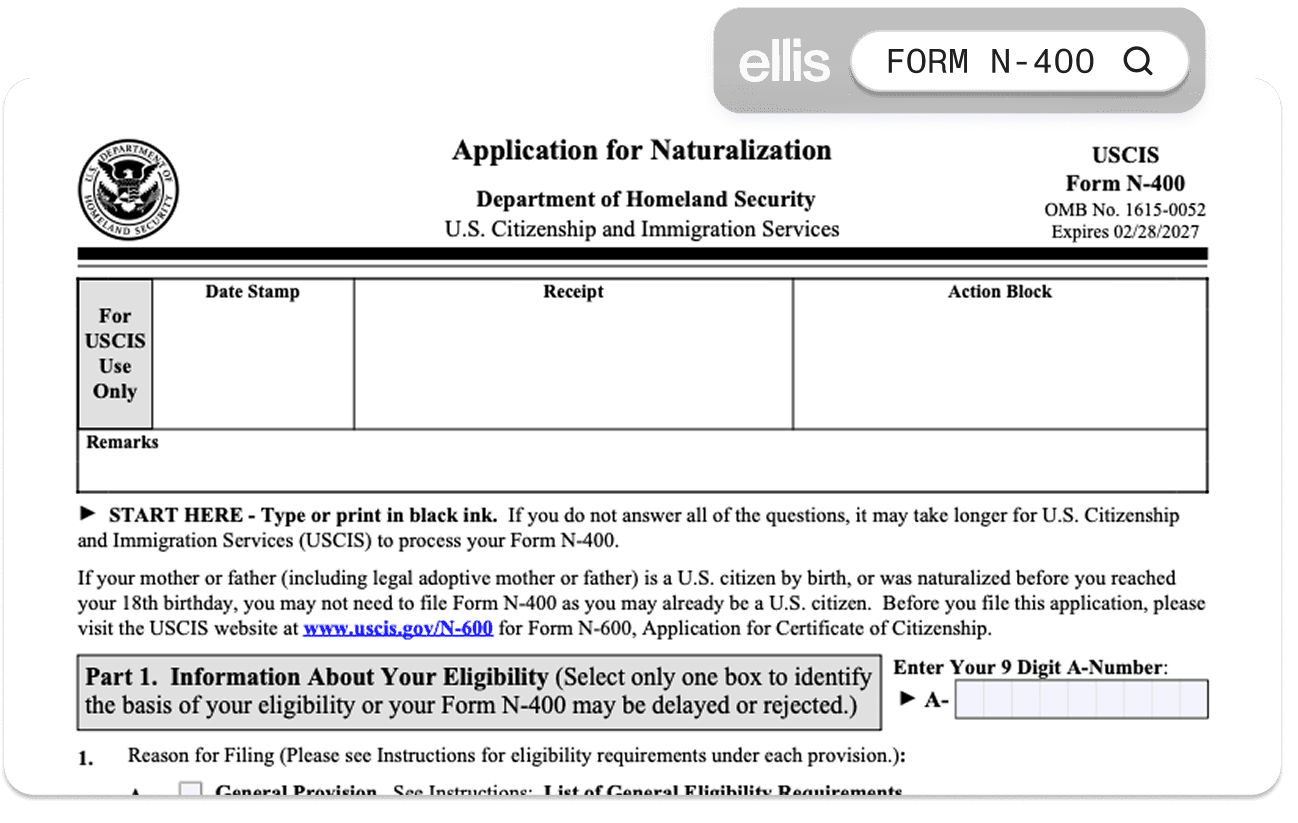
Legal immigrants who have already done the hard work of qualifying for citizenship could soon face a much steeper price to finish the process. The Trump administration is advancing a plan that would raise the naturalization application fee by $570 and eliminate the fee waivers and reduced-fee options that now help lower-income applicants file.
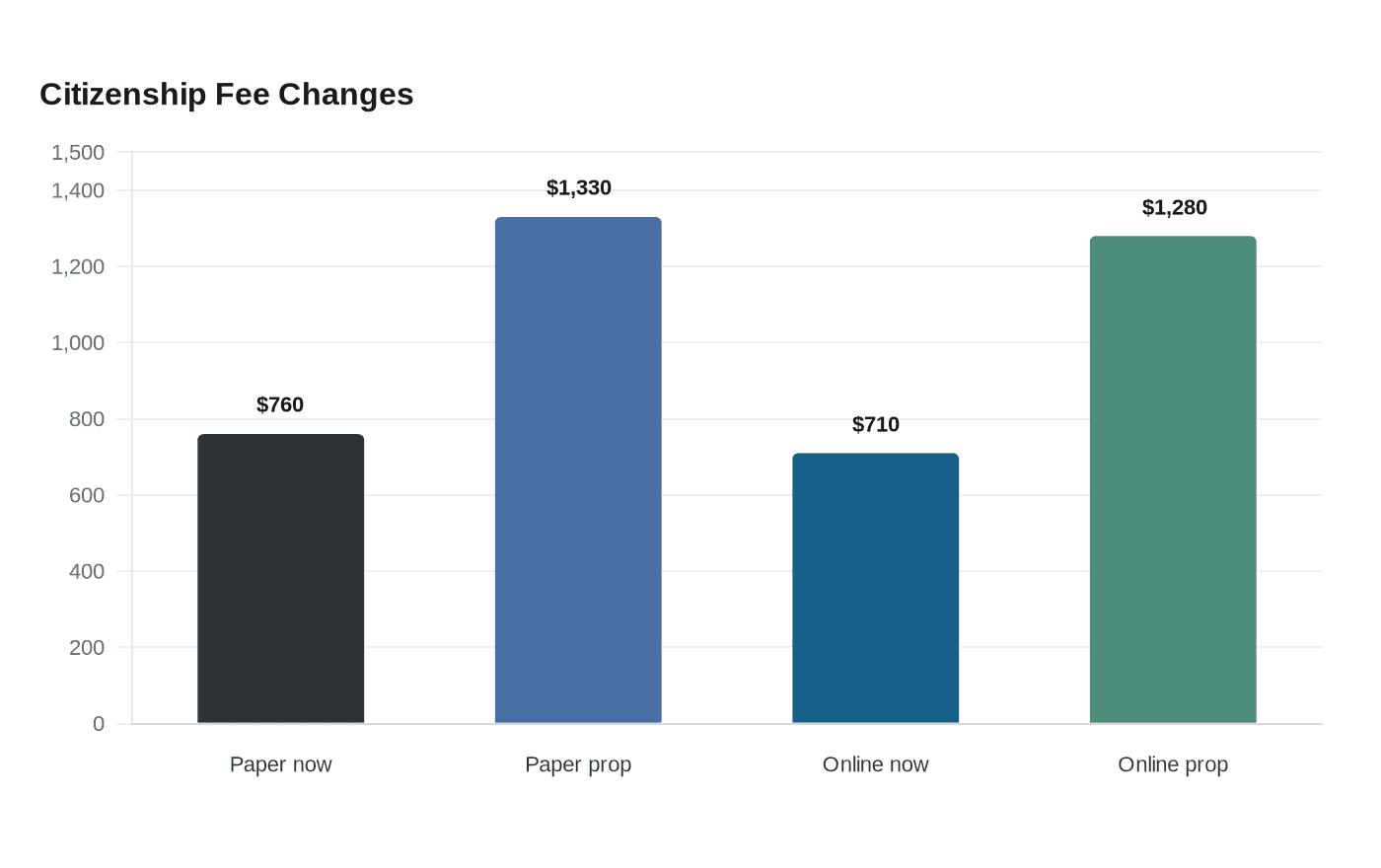
Under the proposed rule from U.S. Citizenship and Immigration Services, the Form N-400 fee would rise from $760 to $1,330 for paper filings and from $710 to $1,280 for online filings. The agency would also lift the cost of asking USCIS to reconsider a citizenship denial by $645, with Form N-336 increasing to $1,475 for paper filings and $1,425 online. Military service members seeking citizenship would keep their fee exemptions.
The proposal is not final. It must still go through the federal rulemaking process, including a 60-day public comment period, before any changes can take effect. But the direction is clear: the administration is moving to make citizenship more expensive at the exact point when applicants have already met the legal threshold to apply.
The most consequential change may be the end of relief for people least able to absorb a new bill. Current USCIS policy allows certain applicants to request fee waivers through Form I-912 when they can show inability to pay under specified criteria. The new rule would eliminate fee waivers for citizenship cases and scrap the reduced-fee option for households at or below 400% of the federal poverty line. That would price out applicants who qualify under today’s rules but do not have the cash to cover a larger charge.
DHS has said the increase is needed to recover the full cost of adjudicating naturalization applications as USCIS adds more screening and vetting requirements. The department has also said the government has historically kept citizenship fees lower to promote naturalization and integration, but now no longer believes naturalization should be subsidized at the expense of other immigration benefits.
Critics say the shift is less about accounting than access. Doug Rand, a former Biden-era USCIS senior official, has argued that the move is designed to add barriers for legal immigrants. The broader policy backdrop is already tilting toward higher charges: Congress enacted H.R. 1 in July 2025, adding new nonwaivable immigration fees, and USCIS later announced inflation-based increases effective January 1, 2026.
For eligible immigrants, the question is no longer whether they can prove they belong. It is whether the government is turning citizenship into something only those who can afford it can finish.
This article was produced by Prism’s automated news system from verified source data, official records, and press releases, then run through automated quality and moderation checks before publishing. The system is built and supervised by the people who set the standards it runs under. Read our full AI policy.
Know something we missed? Have a correction or additional information?
Submit a Tip